
Vandaag of morgen in huis

Kwaliteit gegarandeerd

Welkomstaanbiedingen ontgrendelen: GRATIS bezorging | Tot 80% korting | Gratis 30 dagen JoyPlus-proefperiode
Download de app
International sweets and snacks can add something different to an ordinary film night, birthday or gift hamper. From Asian snacks and Japanese mochi to Turkish sweets, foreign biscuits and chocolate snacks, there is plenty of choice online. However, eye-catching packaging does not always tell you enough about the flavour, contents or suitability for your needs.
With this buying guide, you can compare products based on verifiable details. This helps you avoid paying too much for a small bag, choosing a snack with unexpected allergens or buying packaging that quickly loses its quality after opening.
A 180-gram bag may seem more appealing than several smaller packs, but always check the net weight and price per 100 grams. Individually wrapped snacks can be more convenient for school, work or a party, while a larger bag may be better suited to sharing.
Also pay attention to the serving size. For chocolate snacks and gummy sweets, nutritional information may be given per 100 grams, while the actual serving is much smaller. Use the values per 100 grams to compare products fairly.
Some fruit gums or gummies contain concentrated fruit juice, but they are still sweets with a high sugar content. Amos Peelerz Lychee, for example, lists 9.3% concentrated fruit juice and 55 grams of sugar per 100 grams. This is relevant information when you are looking for an exotic flavour, but it is not a reason to consider the product healthy or nutritious.
Brands may describe a product’s flavour or effect positively on their own packaging. According to a brand’s own research, for example, a product may have an “authentic” flavour. It is therefore best to check the ingredients list, nutritional values and product information.
For foreign products, ingredients may appear in another language on the original packaging. Always check the English product information and allergen labelling. Pay particular attention to:
Haribo Happy Cherries, for example, contains gelatine and, according to the product information, is not suitable for vegetarians or vegans. Bebeto Sour Blast Happy Raspberry contains wheat, while Bebeto J Cherry, according to the available information, contains none of the 14 major EU allergens. If in doubt, always check the packaging before consumption.
The same category can offer very different eating experiences:
According to the product description, Bamboo House Double Filling Mango Mochi has a filling with mango and milk. Seiki Ramune Mochi combines a soft texture with a ramune soda flavour and is individually wrapped. Choose according to the occasion: sharing, taking with you or serving at home at your leisure.
Most international snacks should be stored in a cool, dry place away from direct sunlight. This is particularly important for biscuits and chocolate. Seal opened packaging securely to help prevent moisture and loss of crispness.
Some mochi products have additional storage instructions. According to the product information, Yuki & Love Mochi Green Tea should be refrigerated after opening and eaten within 3 to 5 days. Q-Brand Cacao Mochi Strawberry Flavor also states that it should be refrigerated after opening. Always check the date and storage instructions on the current packaging.
The country of origin can be an important part of your choice. Products in the range come from Taiwan, Japan, South Korea, Turkey, China and European countries, among others. Also check the responsible party within the EU. This can be useful if you have questions about ingredients, allergens or product information.
A product from a particular region does not automatically follow the same flavour expectations as a similar local product. Use origin as a selection criterion, not as a guarantee of quality.
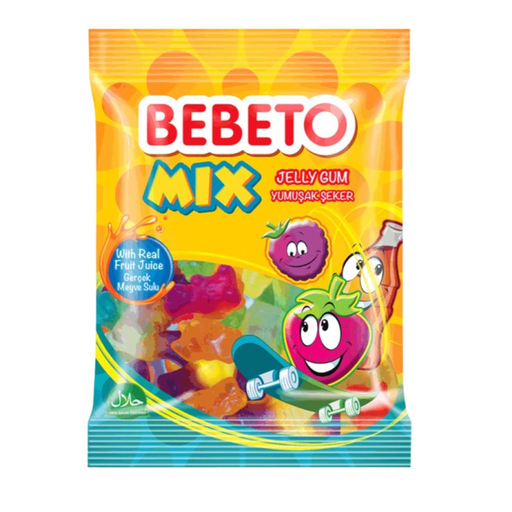
Why it suits this profile: A small pack is a practical way to try an international flavour without immediately buying a large quantity.
The net weight of 80 grams keeps the purchase manageable and reduces the risk of unused leftovers.
80-gram Turkish sweet mix; according to the product information, free from the 14 major EU allergens.
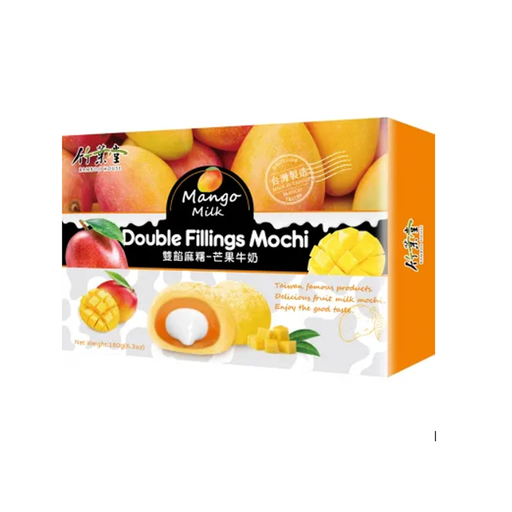
Why it suits this profile: Ideal for anyone who values layered flavour and a soft, elastic mochi texture over a standard fruit flavour.
The product information clearly lists mango and milk paste and identifies allergens such as milk and egg.
180-gram pack; individually wrapped; origin: Taiwan; combination of mango and milk in one product.
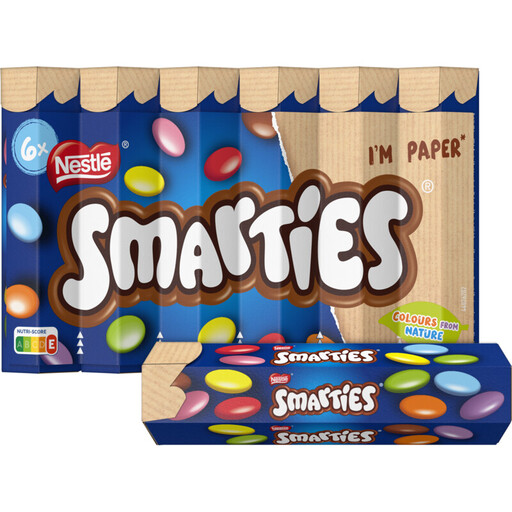
Why it suits this profile: Handy for families, party treats and occasions when you want to divide portions in advance.
The pack contains six 34-gram tubes, so you do not have to open the entire quantity at once.
Milk chocolate with a crisp coloured coating; six separate tubes; contains milk, wheat and barley.
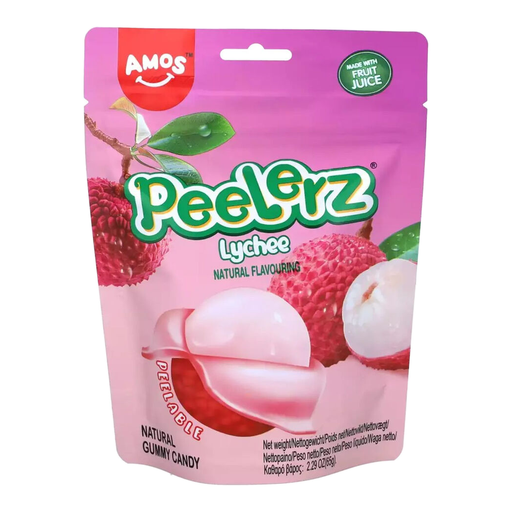
Why it suits this profile: A great choice for anyone looking for more than a sweet flavour, with a playful eating experience and a peelable outer layer.
The packaging states the 65-gram weight, ingredients and possible presence of milk and sulphites, allowing you to make an informed choice.
Lychee flavour; peelable layer; soft fruit centre; 9.3% concentrated lychee and apple juice according to the product information.
We have put together a complete, up-to-date list of products that fully meet these strict selection criteria and the applicable European safety regulations.
For a film night, foreign biscuits, chocolate snacks and larger bags of gummy sweets are easy to share. For a gift hamper, you can combine products from different countries of origin, such as Japanese mochi, Korean Choco Pie and Turkish sweets. For a birthday or children’s party, individually wrapped products are easier to organise.
If you enjoy comparing several flavours, you can choose smaller packs such as Amos Peelerz, Bebeto J Cherry or Pocky. With Pocky, do pay attention to the listed allergens: the product contains wheat, milk and soya, among other ingredients.
You can buy sweets online from specialist webshops and broad platforms offering products from different countries. Before ordering, compare the net weight, ingredients, allergens, origin, shelf life and storage advice.
Shelf life varies by product and is stated on the packaging. Unopened mochi and gummies can generally be stored outside the fridge if this is indicated on the label. After opening, mochi products can dry out more quickly; some varieties need to be refrigerated and eaten within a few days.
This depends on the ingredients, texture and age of the child. Check the allergens and pay attention to the warnings on the packaging for soft or chewy sweets. Young children should be supervised when eating sweets whenever the manufacturer recommends it.
