
Vandaag of morgen in huis

Kwaliteit gegarandeerd

Welkomstaanbiedingen ontgrendelen: GRATIS bezorging | Tot 80% korting | Gratis 30 dagen JoyPlus-proefperiode
Download de app
Browsing international sweets online is fun, but the range can vary considerably in flavour, size, ingredients and texture. If you choose based solely on colourful packaging or the latest trend, you could end up with a bag that is too small to share, a flavour that disappoints or a product containing allergens you had not checked beforehand.
As a Joybuy Product Recommendation Officer, I therefore focus primarily on verifiable product information. With these practical selection criteria, you can compare Asian sweets, Japanese sweets, Turkish sweets, American sweets and other international snacks with confidence.
A large design, familiar characters or a popular TikTok trend will not tell you how many sweets you actually receive. A 60 or 65-gram bag is mainly suitable for one or a few portions. For a film night, birthday or family gathering, packaging of 150 grams or more is often more practical.
Some gummies and jelly sweets contain fruit juice or fruit purée, but often only in limited quantities. For example, Cozzo Lychee Jelly Beans lists 5% lychee juice. Amos Peelerz Lychee mentions 9.3% concentrated fruit juice, consisting of lychee and apple. Always check the ingredients list rather than relying solely on the fruit flavour shown on the front.
International products may contain milk, soya, wheat, egg or gelatine. Meiji Hello Panda, for example, contains milk, soya and wheat. Amos Peelerz lists beef gelatine and may contain milk and sulphites. Turkish sweets such as Bebeto Sour Blast Happy Raspberry list wheat as an ingredient. Always read the label before buying, particularly if you have allergies or intolerances, or follow a vegetarian or halal diet.
Under European regulations, the main allergens must be clearly indicated on the packaging. Look out in particular for:
An E number is not, in itself, a reason to reject a product. It indicates the approved function of a substance, such as a gelling agent or acidity regulator. If you prefer a simpler recipe, compare the ingredients lists of different products side by side.
Always compare nutritional values per 100 grams, not just per bag. Cozzo Lychee Jelly Beans, for example, contains 30 grams of sugar per 100 grams. Amos Peelerz Mango lists 52 grams of sugar per 100 grams, while Meiji Hello Panda contains 15.4 grams of sugar per 100 grams.
A lower energy value does not automatically mean that a snack is “healthy”. Yan Jin Pu Zi Sippable Jelly lists 56 kcal per 100 grams, but also contains 12.4 grams of sugar. Use the nutritional information primarily to compare products fairly.
Gummies, jelly sweets and fruit gummies can be soft, chewy, drinkable or even crunchy. Pay attention to the description:
Store sweets according to the label: usually in a cool, dry place away from direct sunlight. Seal opened packaging properly to help prevent drying out and loss of quality. Before eating, also check the best-before information on the actual packaging.
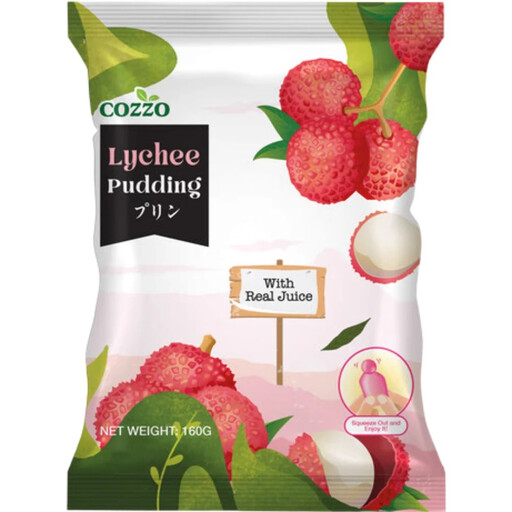
Why it suits this profile: The 160-gram pack offers an easy way to try an exotic lychee flavour and soft jelly texture without committing to a large multipack.
The net weight is clearly stated. The product information also specifies 5% lychee juice, so you do not have to infer the fruit flavour from the packaging alone.
160 grams, a soft jelly texture and 30 grams of sugar per 100 grams. The product contains milk.
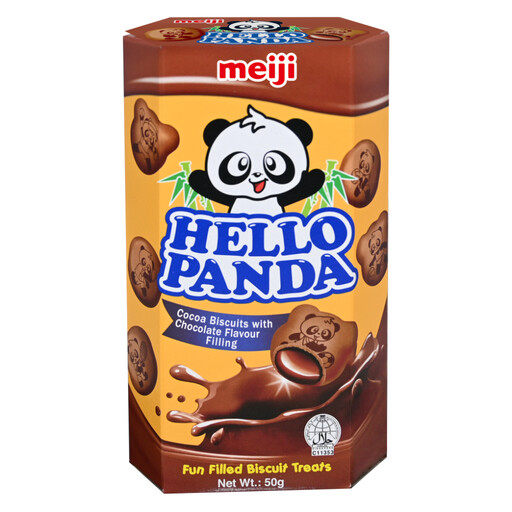
Why it suits this profile: This Japanese snack is ideal for biscuit lovers who enjoy chocolate and the combination of crisp dough with a creamy filling in a compact pack.
The product description explicitly states the filling, weight and allergens. This means your choice is less dependent on the appearance of the packaging.
50 grams, a double chocolate filling and 263 kcal per 100 grams. Contains milk, soya and wheat.
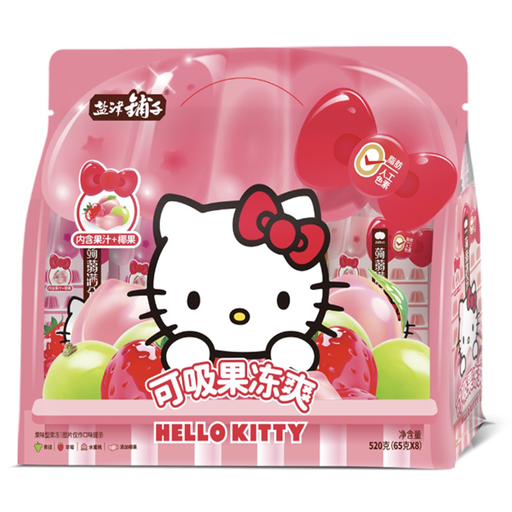
Why it suits this profile: The large pack is practical for parties, families and occasions when you want to offer several flavours.
The 520-gram size clearly distinguishes an individual snack from a sharing product. The three flavours are specified in advance: peach, strawberry and green grape.
520 grams, three varieties and 56 kcal per 100 grams. The product information lists no allergens and warns that it contains sweeteners.
We have put together a complete, up-to-date list of products that fully meet these strict selection criteria and the applicable European safety regulations.
First, check the net weight, ingredients, allergens, nutritional information and best-before date. Also consider the format: a small bag of gummies is very different from a sharing pack for a party. With products from different countries, flavour names and packaging may also differ from what you are used to seeing in British shops.
Gummies are generally firmer and designed to be chewed. Jelly sweets are often softer and may come in a format that you eat from a pot or drink straight from a pouch. Some products contain nata de coco or konjac for added texture. With young children, always check the instructions and warnings on the packaging.
Choose a pack of approximately 150 grams or more, or a multipack. A sweet mix, Turkish sour sweets or American gummy clusters can combine several flavours and textures. For a smaller treat, Meiji Hello Panda, Amos Peelerz or an individual jelly pack may be more convenient. When sharing, always check the allergens and the ingredients of the full pack.
