
Vandaag of morgen in huis

Kwaliteit gegarandeerd

Welkomstaanbiedingen ontgrendelen: GRATIS bezorging | Tot 80% korting | Gratis 30 dagen JoyPlus-proefperiode
Download de app
Ordering a bottle or can of international soft drink online seems straightforward. Yet there are clear differences in flavour, contents, sweeteners, packaging and nutritional values. An eye-catching colour or exotic name does not automatically tell you anything about the ingredients. A multipack can also be less practical when you want to try an unfamiliar flavour first.
For buyers in the Netherlands, three pitfalls are particularly important:
First, consider what type of drink you are looking for. Asian soft drinks often feature flavours such as lychee, melon, strawberry or a creamy milk component. American soft drinks are more likely to include lemonade, fruity combinations and eye-catching variations. With Mexican soft drinks, you may come across guava and watermelon, among other flavours. Fernandes is often chosen by fans of Surinamese flavours.
Also pay attention to the product description. “Lychee flavour” does not mean the same as a high percentage of lychee juice. Jane Jane Lychee Soda, for example, states that it contains 1% lychee juice concentrate, while the flavour also comes from flavourings. This is relevant information if you are looking for a fruity soft drink with a distinct fruit character.
Compare the values per 100 ml, rather than only per can or bottle. This gives you a fairer basis for comparing products. According to the product information, Calypso Yuzu Lychee Lemonade contains 46 kcal and 11 grams of sugar per 100 ml. TING Soda Raisin lists 18 kcal and 4.4 grams of sugar per 100 ml.
With sugar-free soft drinks, you should read the ingredients list. Coca-Cola Zero Sugar lists 0 grams of sugar and 0 kcal per 100 ml, but contains aspartame and acesulfame-K, among other ingredients. Sprite Zero Sugar also lists 0 grams of sugar, but contains a source of phenylalanine. If you are sensitive to certain ingredients or allergens, it is wise to check the label on the packaging delivered to you.
An individual 250 or 330 ml can helps to limit waste and is convenient for trying a new flavour. A soft drink multipack is more appealing for birthdays, families or keeping a supply at home. However, pay attention to the total quantity: 24 cans of 330 ml take up more space than a bottle, but are easier to serve as individual portions.
After opening, soft drinks should generally be kept chilled and consumed within the stated period. Also check the best-before information on the packaging. With imported products, the label, packaging and available flavour variant may differ.
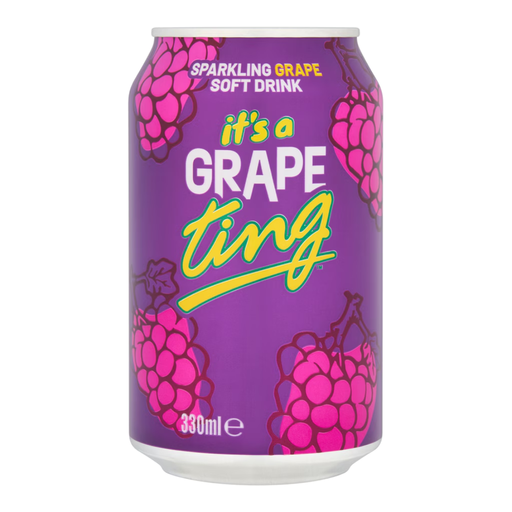
Why it suits this profile: A single 330 ml can is a straightforward way to try a less familiar grape flavour without ordering a large pack straight away.
The contents, nutritional values and ingredients are clearly stated. This allows you to assess the flavour choice and sugar content in advance.
330 ml per can, 18 kcal and 4.4 grams of sugar per 100 ml; suitable for vegetarians and vegans according to the product information.
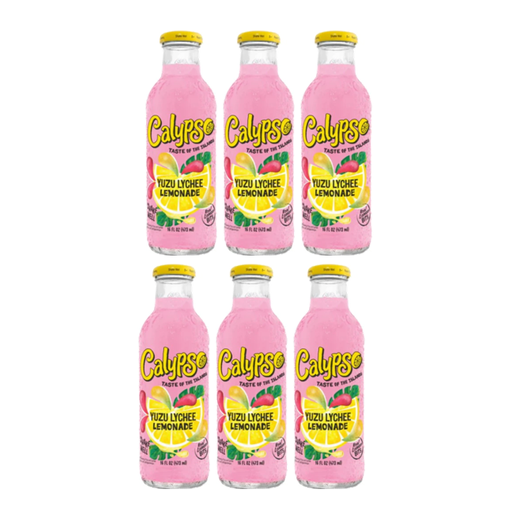
Why it suits this profile: This combination is designed for fans of distinctive, Asian-inspired flavours and a larger serving size per bottle.
The product description lists yuzu, lychee and lemon separately. This makes it clearer that the drink has a sweet and refreshing flavour combination, rather than being an ordinary lemon drink.
Six 473 ml bottles; 46 kcal and 11 grams of sugar per 100 ml according to the available product information.
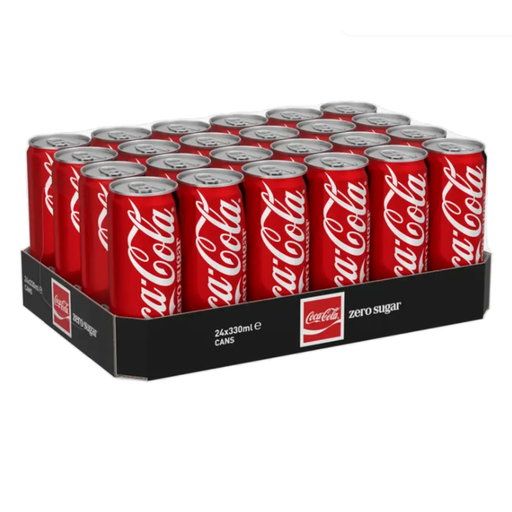
Why it suits this profile: A large pack of cans is ideal for parties, sports occasions, families and households that regularly serve chilled soft drinks.
The packaging and nutritional values make the choice predictable: 24 individual cans and 0 grams of sugar per 100 ml according to the product data.
24 x 330 ml; 0 kcal and 0 grams of sugar per 100 ml. Contains caffeine and a source of phenylalanine, so check the label if you have specific dietary requirements.
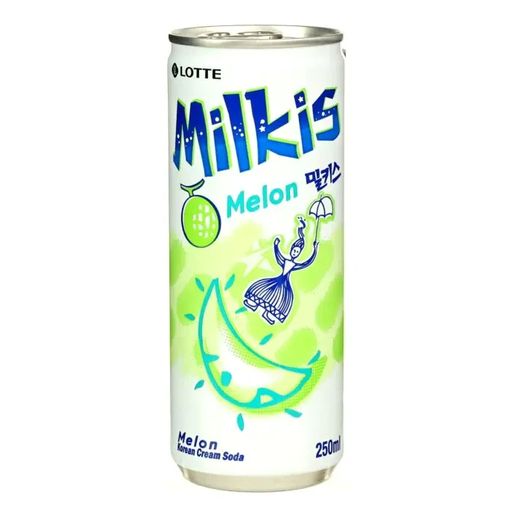
Why it suits this profile: The combination of melon flavour, carbonation and skimmed milk powder is ideal if you are looking for something different from a classic fruit or cola drink.
The product information explicitly mentions milk and soya. This allows you to take allergens into account in advance, rather than relying solely on the flavour name.
250 ml per can; 48 kcal and 12 grams of sugar per 100 ml according to the product data; best served chilled.
We have put together a complete, up-to-date list of products that fully meet these strict selection criteria and the applicable European safety regulations.
Choose a multipack with individual cans when guests want to help themselves to a drink. Fernandes Green Punch and Fanta Orange are examples of 24 x 330 ml. For a table where you will be pouring drinks into glasses, 7UP Lemon Lime in a 1.5-litre bottle may be more practical. Check in advance how much sugar, sweetener and caffeine the chosen variant contains.
Check the nutritional values per 100 ml and read the ingredients list. “Sugar-free” does not mean that a drink contains no sweeteners. Coca-Cola Zero Sugar and Sprite Zero Sugar, for example, list sweeteners; Sprite Zero Sugar also states that it contains a source of phenylalanine. Check the current packaging and allergen information with every order.
Store unopened products according to the instructions on the label, usually in a cool, dry place away from direct sunlight. After opening, the drink should generally be kept in the fridge. A can or pouch is often intended to be consumed immediately after opening. With bottles, also pay attention to the closure and the best-before date on the packaging.
