
Vandaag of morgen in huis

Kwaliteit gegarandeerd

Welkomstaanbiedingen ontgrendelen: GRATIS bezorging | Tot 80% korting | Gratis 30 dagen JoyPlus-proefperiode
Download de app
International soft drinks are an appealing choice when you fancy something different from cola, lemonade or standard sparkling water. Think Asian soft drinks, American varieties, Caribbean flavours and fruity drinks from Mexico or Suriname. Yet an eye-catching label can hide important differences. The ingredients, sugar content, packaging and shelf life ultimately determine whether a product suits your needs.
As a Joybuy Product Recommendation Officer, I therefore focus on verifiable information on the product page and packaging. This way, you can compare Japanese soda, lychee soda, grape soda and other fizzy drinks on practical grounds.
A flavour like peach, cherry, grape or watermelon sounds light and fruity, but that doesn't automatically mean the drink is low in sugar. Always check the nutritional information per 100 ml. For example, Fernandes Cherry Bouquet contains 10.2 grams of sugar per 100 ml according to the product information, while Jane Jane Lychee Soda states 3.5 grams of sugar per 100 ml.
Also pay attention to the difference between sugar-free soft drinks and soft drinks with less sugar. Pepsi Peach Flavor No Sugar states 0 grams of sugar and 0 kcal per 100 ml, but it does contain sweeteners such as aspartame, acesulfame-K and sucralose. If you want to avoid certain sweeteners, it's worth reading the ingredients list.
A soft drink multipack is handy for a party, family or pantry. However, for a first try, a box of 24 or 30 cans can be too much. So check:
A smaller pack, such as a 330 ml can or a 200 ml bottle, makes more sense if you want to compare several flavours. For an event, boxes of 12, 24 or 30 are more practical.
Ramune is famous for its glass bottle with a marble in the neck. That's part of the drinking experience, but the bottle also needs to be opened carefully on a flat surface. HATA Strawberry Ramune includes a note about adult supervision for young children. The marble must not be removed.
A pouch, like Ice Talk Blueberry Ade, is light and easy to take with you. A can is simpler to chill and hand out. So don't choose on flavour alone – also think about where you'll be drinking it: at home, on the go, during a picnic or at a party.
Use the nutritional information per 100 ml as a standard comparison. The volume of packaging varies a lot. A 355 ml can contains more than three times the amount of 100 ml.
Look out for these terms:
According to the product information, Jane Jane Lychee Soda contains 1% lychee concentrate, 16 kcal and 3.5 grams of sugar per 100 ml. Ice Talk Blueberry Ade states 36 kcal and 8.7 grams of sugar per 100 ml. Both are fruity soft drinks, but they suit different taste and nutritional profiles.
A 330 or 355 ml can is suitable for a standard serving. Smaller 200 ml bottles are handy if you want to serve a selection. A box of 24 or 30 is mainly interesting for regular use or a party.
Also check whether the packaging fits your storage space. Store soft drinks according to the label in a cool, dry place away from direct sunlight. Once opened, the drink should usually be refrigerated and consumed quickly.
With international products, recipes can vary from country to country. So look at:
The product packaging is the definitive source. Product details online may be updated and packaging can change.

Why this suits the profile: A pack of six cans gives beginners the chance to try lychee soda without buying a large quantity straight away.
The size limits the risk of buying too much. The product information states 16 kcal and 3.5 grams of sugar per 100 ml.
Six 330 ml cans, lychee concentrate listed in the ingredients and suitable for serving chilled.
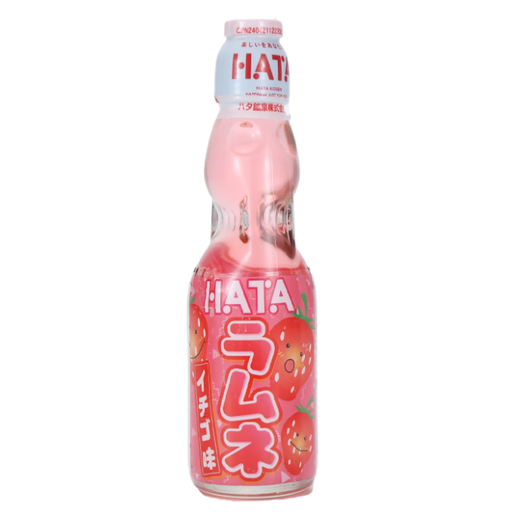
Why this suits the profile: Ideal for fans of an authentic Japanese drinking experience with a glass bottle and marble stopper.
The product information clearly explains how to open the bottle and states that the marble must not be removed.
200 ml per bottle, strawberry flavour, carbonation and origin Japan. The bottle is especially suited to a special serving occasion.
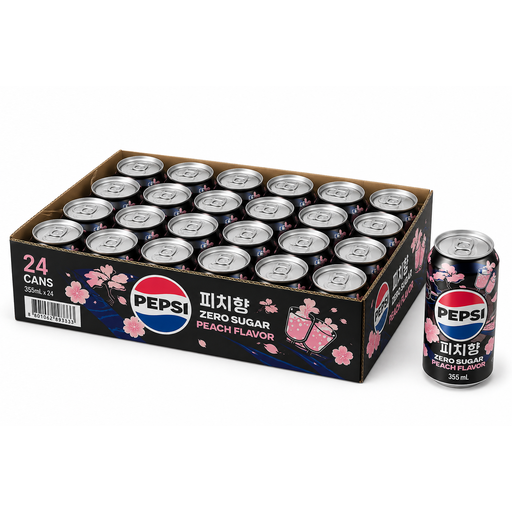
Why this suits the profile: A large multipack suits parties, shared households and shoppers who want to serve a sugar-free fruit-flavoured soft drink regularly.
The product information states 0 kcal and 0 grams of sugar per 100 ml. The ingredients list does mention several sweeteners, including aspartame.
Peach flavour, carbonation, can format and a pack of 24. Suitable for stocking up or larger gatherings.
We've put together a full, up-to-date list of products that fully meet these strict selection criteria and current European safety regulations.
Choose a small pack, for example six cans or a single bottle. Jane Jane Lychee Soda 6-Pack is a manageable option, while a 200 ml ramune bottle is ideal if you mainly want to experience the Japanese packaging and opening method.
Store unopened soft drinks in a cool, dry place away from direct sunlight. Always follow the instructions on the label. Once opened, the drink should be refrigerated and preferably consumed quickly. Do not freeze carbonated drinks unless the packaging explicitly allows it.
Not automatically. Sugar-free soft drinks contain no sugar according to the product information, but they may contain sweeteners. So compare both the nutritional table and the ingredients list. If you want to avoid a particular substance, check the current packaging before opening the product.
