
Vandaag of morgen in huis

Kwaliteit gegarandeerd

Welkomstaanbiedingen ontgrendelen: GRATIS bezorging | Tot 80% korting | Gratis 30 dagen JoyPlus-proefperiode
Download de app
International soft drinks are an appealing choice when you want to try new flavours, organise a party, or stock up on global beverages. The range includes Asian soft drinks, Mexican soft drinks, tropical soft drinks, classic cola and mineral water from Turkey.
Yet a striking label doesn't tell you everything. A bottle can be small, a multipack might not be as good value as you'd expect, and a product with a fruit name doesn't always contain much fruit juice. With these practical checks, you can compare global drinks using the information on the product page or packaging.
Words like mango, lychee, watermelon or passion fruit often describe the flavour, not automatically a high fruit content. So check the ingredients list and nutritional values. Jarritos Passion Fruit, for example, states 25 grams of sugar per 100 ml. Orangina Regular lists 12% juice from concentrate, of which 11% is orange.
A fruity soft drink can therefore be based mainly on flavourings and sweeteners. That's not necessarily a problem, but it helps you set your taste expectations correctly.
A soft drink multipack may seem good value, but always compare the total volume. A tray of 24 cans of 330 ml contains 7.92 litres. A 1-litre bottle is more convenient for home use, but can lose its fizz more quickly once opened.
Also pay attention to the packaging material. Glass bottles like Jarritos Passion Fruit offer a different serving experience to cans, while cans are practical for a party, picnic or store cupboard.
Sugar-free soft drinks usually contain sweeteners instead of sugar. So look at the full ingredients list. Pepsi Peach flavour no sugar lists aspartame, acesulfame K and sucralose, among others. The nutritional information shows 0 kcal and 0 grams of sugar per 100 ml, according to the product data provided.
If you want to avoid certain sweeteners, don't just look at the front of the packaging. Also always check the most recent packaging, as recipes or labels can change.
For individual use, portions of 200 to 473 ml are practical. For a household or event, 6-packs and trays of 24 cans are often more sensible. When comparing, note:
Beypazari Sade Soda, for example, is available as 6 bottles of 200 ml. The larger Beypazari pack states 6 × 6 × 200 ml. With offers like these, check carefully whether the bundle matches your intended use.
Use the nutritional information per 100 ml as a fixed basis for comparison. This stops a large bottle from seeming more favourable just because the information is shown per serving.
Some examples from the product data:
A low calorie count doesn't mean the flavour or ingredients suit everyone. So always compare sugars and sweeteners.
Fizzy soft drinks usually taste best when served chilled. With glass bottles, opening and pouring straight away is handy for a meal. Cans are suitable when several guests are helping themselves to their own portion.
The product description for CANTABILE Watermelon Ade recommends serving chilled and mentions ice cubes or fresh watermelon as possible additions. That's a serving suggestion, not a necessary preparation. The drink is ready to consume.
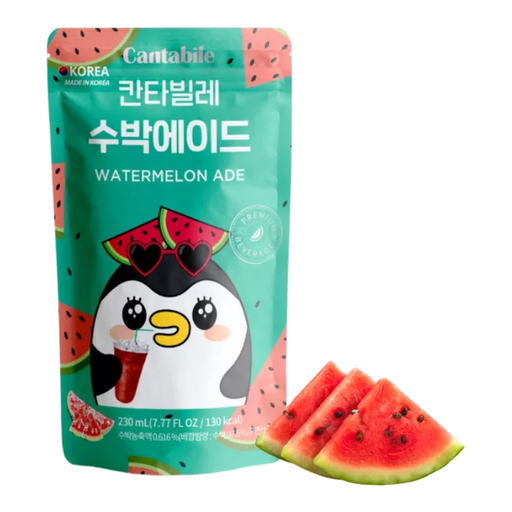
Why this fits the profile: A small 230 ml portion is ideal for trying an Asian fruit flavour from South Korea without buying a large stock straight away.
The volume and nutritional values are clearly stated, so you can assess the portion size and sugar content in advance.
Ready to drink, 230 ml and a recognisable watermelon flavour; serve chilled.
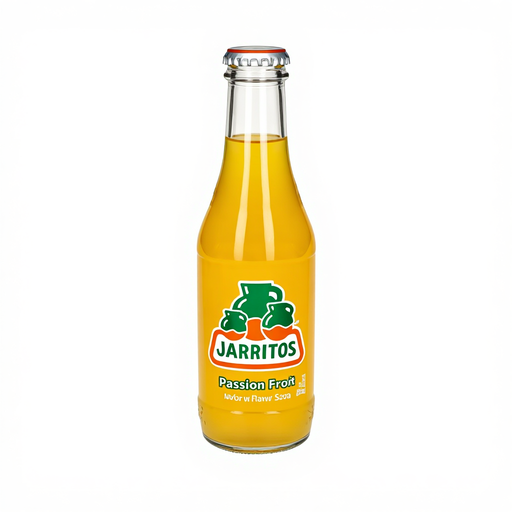
Why this fits the profile: The glass bottle and Mexican passion fruit flavour suit a meal, tasting session or serving occasion where presentation matters.
The product information states the bottle volume, flavour and nutritional value. This allows you to compare the tropical taste with other varieties.
Glass packaging of 370 ml; according to the product description, made with sugar and a passion fruit flavour.
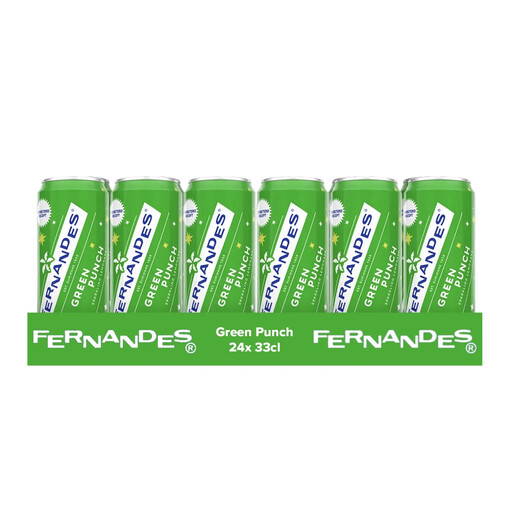
Why this fits the profile: A tray of 24 cans is practical for birthdays, sports canteens, gatherings or a household that regularly serves soft drinks.
The packaging states both 24 × 330 ml and the nutritional value per 100 ml. This makes the total stock easy to calculate in advance.
24 slim cans of 330 ml; tropical Green Punch flavour; serve chilled.
For a sugar-free option, you can look at Pepsi Peach flavour no sugar. If you're after classic cola, compare Coca-Cola Original Taste or First Choice Cola Regular. For a low-calorie fizzy drink, Lipton Ice Tea Sparkling and the sugar-free Pepsi (according to the product data) are relevant choices.
Fans of Asian and fruity flavours can also check out Jane Jane Lychee Soda, Calypso Yuzu Lychee Lemonade, Jarritos Mango, Jarritos Guava and Jarritos Watermelon. For mineral water from Turkey, Beypazari Sade Soda is an option with 0 kcal and 0 grams of sugar per 100 ml according to the product information provided. Always check the label on the packaging you receive for nutritional and mineral values.
We've put together a full, up-to-date list of products that fully meet these strict selection criteria and comply with current European safety regulations.
Check the net volume, ingredients, nutritional values, packaging and best-before information. With multipacks, also look at the total volume and the price per litre. The product page gives an initial indication; the packaging remains the definitive source for current information.
In the data provided, Lipton Ice Tea Sparkling and Pepsi Peach flavour no sugar state 0 grams of sugar per 100 ml. Fanta Orange states 5.6 grams of sugar per 100 ml. Also check the sweeteners used and any warnings on the label.
Store unopened drinks in a cool, dry place away from direct sunlight, as stated in several product descriptions. Once opened, bottles and cans should generally be kept in the fridge. Seal a bottle tightly and always follow the storage and best-before information on the packaging.
