
Vandaag of morgen in huis

Kwaliteit gegarandeerd

Welkomstaanbiedingen ontgrendelen: GRATIS bezorging | Tot 80% korting | Gratis 30 dagen JoyPlus-proefperiode
Download de app
International snacks can add variety to a coffee break, tea time or special treat. From Japanese dorayaki and Chinese mochi to Turkish cake and Dutch stroopwafels, there is plenty of choice online. That choice also makes it easy to order something that does not suit your cupboard, allergies or occasion.
The following three pitfalls are common when buying international sweet snacks:
Do not just compare the number of pieces; also check the net weight and portion size. A pack containing four 50-gram mochi pastries is different from a bag of mini biscuits with eight individual sachets. Individually wrapped snacks are useful for school, work or sharing, while a larger pack is better suited to a family or guests.
Also check the date and storage information. The exact date is shown on the packaging and may vary between batches. Once biscuits have been opened, storing them in a well-sealed container helps preserve their texture for longer.
International snacks may contain ingredients you do not immediately expect. Common allergens include wheat and gluten, milk, egg, soya, sesame, peanuts and nuts. Check the current packaging for every product, especially when buying for children or guests with an allergy.
Examples:
A product description is useful as an initial check, but the labelling on the packaging remains the definitive source.
Not every snack is ready to eat straight away. Biscuits, stroopwafels, cake and dorayaki are generally ready to eat. Frozen Chinese glutinous rice balls, on the other hand, are raw products that must be heated thoroughly. According to the product information, they should be cooked in boiling water until they float to the surface and are fully cooked.
Pay attention to these practical differences:
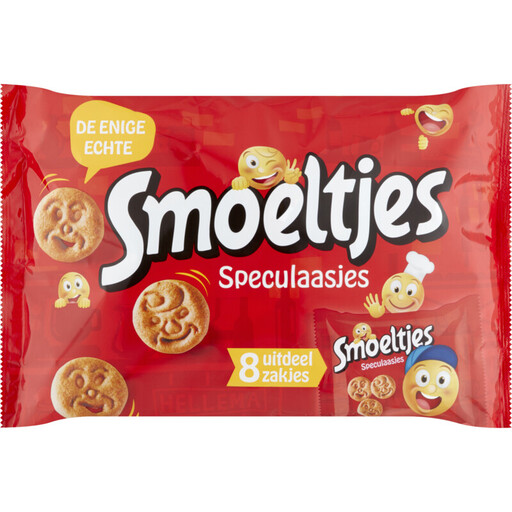
Why it suits this profile: A familiar Dutch option for anyone who wants to discover international snacks without immediately buying a large or complicated selection. The eight individual sachets are practical for sharing.
The 200-gram net weight and portioning make the contents clearer than packaging that mainly sells itself on size.
Mini speculaas biscuits, a source of fibre according to the product information, and eight individual sachets. Contains wheat, milk and egg.
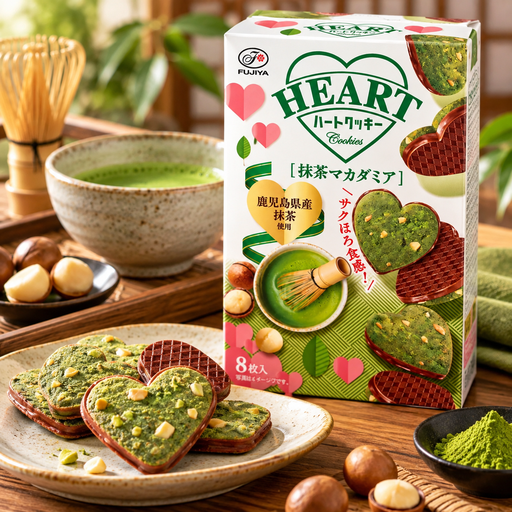
Why it suits this profile: For anyone looking for a small Japanese snack with a distinctive flavour profile and a portion size for one person.
The small net weight means you do not have to buy a large pack when you simply want to try matcha and macadamia.
Crunchy biscuit with matcha and macadamia nuts; ready to eat and ideal with tea or coffee. Contains wheat, milk, soya and nuts.
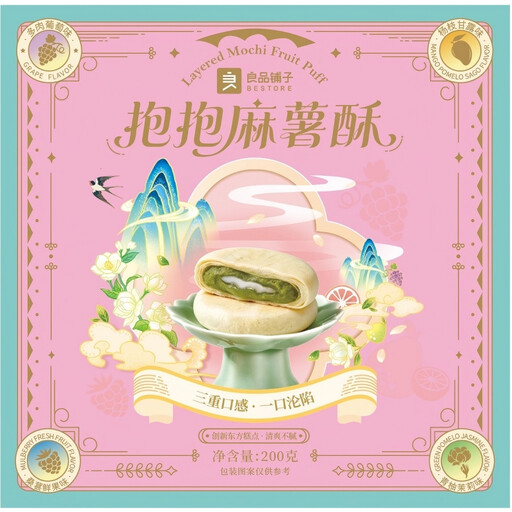
Why it suits this profile: Ideal for tea time, sharing or giving as a gift when you want to offer a range of flavours. The box contains four individual pastries.
The four flavours are described, so you do not have to rely solely on the gift packaging. Do check the allergens and sweeteners.
Four fruity varieties with a soft, chewy mochi filling; 4 × 50 grams. Contains wheat, soya and milk; contains maltitol.
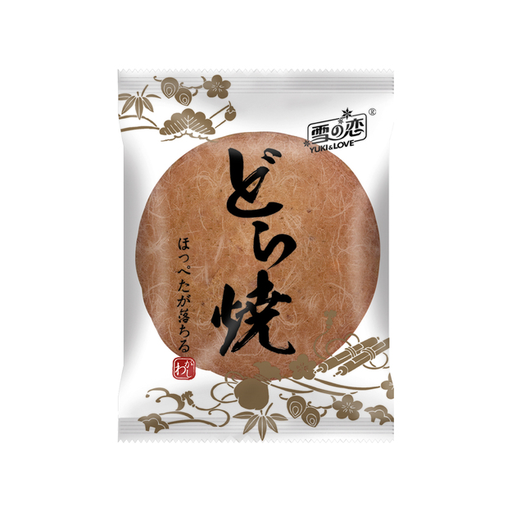
Why it suits this profile: A compact snack for a relaxed afternoon break or with coffee and tea, combining soft cake with a sweet red bean filling.
The 55-gram portion size makes the quantity clear in advance. Store the dorayaki in a cool, dry place according to the product information.
Ready to eat, with 32% red bean filling according to the product information, in an individual portion size. Contains wheat, egg and soya.
We have put together a complete, up-to-date list of products that fully meet these strict selection criteria and the applicable European safety regulations.
If you want to buy snacks online, it is worth deciding first when and how you plan to enjoy them. You can then filter by weight, packaging, allergens, storage and preparation method. This allows you to compare products based on checkable features rather than packaging or brand story alone.
That depends on your preference. Dorayaki has a soft cake with red bean filling, mochi offers a chewy texture, and stroopwafels combine biscuits with syrup. Turkish fruit cake and butter biscuits are also practical choices. Check the allergens and recommended storage conditions beforehand.
Store dry biscuits, wafers and cake in a cool, dry place and seal the packaging properly. For products with chilled or frozen storage instructions, follow the packaging. Chinese rice balls must remain frozen at -18 °C or below and must not be refrozen after thawing.
The price per pack does not tell you everything. Compare the weight, number of portions and type of packaging. A small Japanese snack may cost more per piece, but it may be a better choice when you want to try a particular flavour. A larger pack of stroopwafels or sachima may be more practical for sharing.
