
Vandaag of morgen in huis

Kwaliteit gegarandeerd

Welkomstaanbiedingen ontgrendelen: GRATIS bezorging | Tot 80% korting | Gratis 30 dagen JoyPlus-proefperiode
Download de app
Buying international snacks online can give you plenty of choice, but it can also lead to surprises. A packet may look large, while the contents mainly consist of small portions. A product may be described as mild, even though chilli, pepper or spices are clearly present. And with frozen snacks, taste is not the only consideration: delivery, storage and preparation all help determine whether your purchase works out well.
Use these checks to compare Asian snacks, Indian snacks, Chinese snacks, Korean snacks and Turkish treats based on practical features rather than eye-catching marketing copy.
Words such as “spicy”, “barbecue” or “classic” give you an idea of what to expect, but not a complete picture of the ingredients. So check the ingredients list. For example, a Korean snack may contain a sauce made with soya, red chilli and gochujang. In Indian snacks, cumin, gram flour and lentil flour can all influence the flavour and texture.
If you are looking for snacks to serve with drinks, it is a good idea to choose a combination of mild, savoury and sweet options. That way, there is something to suit different preferences.
A product can be vegetarian and still contain wheat, sesame, peanuts, milk or egg. A halal label also does not mean that a product is free from allergens. Always read the current packaging, especially when buying snacks for several people.
Also look out for wording such as “may contain traces of”. Product information can change, and the packaging contains the most up-to-date details.
With frozen snacks, you need to check that you have enough freezer space and that you will be at home around the time of delivery. Products such as sweet potato fries and kimbap are stored, packaged and transported chilled or frozen according to the product information. Once defrosted, they must not be refrozen.
Check before buying:
For drinks and nibbles, ready-to-eat, long-life products are practical. Consider savoury snacks such as murukku, aloo bhujia, rice crackers or spiced peanuts. For a party, a larger pack may offer better value, while individual portions are handy for eating on the go.
For a hot snack, frozen snacks are a different category. Sweet potato fries work well as a side dish or snack prepared in the oven or air fryer. Mini fried dough sticks are intended for cooking in hot stock or a hotpot and must be heated through completely.
Do not look only at the price of a bag or box. Compare the net weight, the number of individual portions and the way the product is packaged. A 200-gram pack is convenient for sharing, while a multipack containing six bags is better suited to individual use.
Individually wrapped products, such as some sachima varieties, are practical for lunch boxes and day trips. A resealable bag helps prevent a snack from going soft soon after opening.
Preparation is simple for ready-to-eat snacks, but instructions are more important for frozen products. A product containing raw flour or raw ingredients must be cooked thoroughly. Follow the instructions on the packaging and use the current product labels as your guide.
Pay particular attention to:
Nutritional values are intended to help you compare products, not to label a product as healthy or unhealthy.
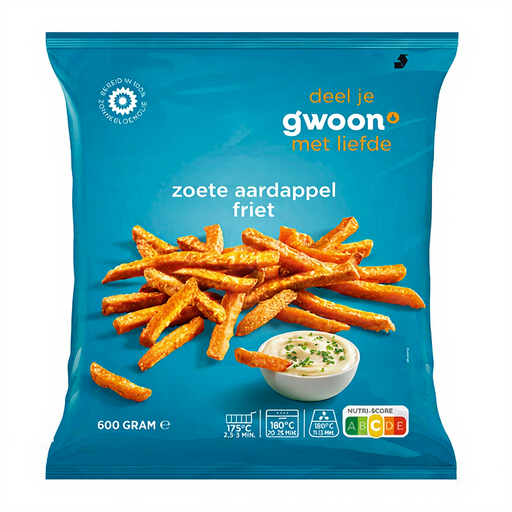
Why it suits this profile: An approachable frozen snack for enjoying at home, either as a side dish or as part of a relaxed drinks gathering. The pack contains 600 grams, and the product information states that it is made with 100% sunflower oil.
The net weight and storage instructions are clearly stated. This lets you check in advance whether your freezer and planned preparation time are suitable.
600 g pack; can be served as a snack or evening meal; made with sunflower oil.
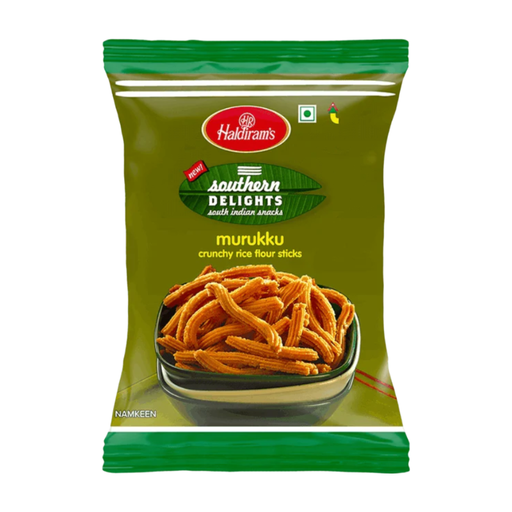
Why it suits this profile: A traditional Indian snack with a spiral shape, made with rice flour, wheat flour and spices. Its texture and ingredients offer something more distinctive than standard crisps.
The ingredients and allergens are described clearly. The product contains wheat, sesame and chickpeas, among other ingredients; check this before serving.
Traditional South Indian snack; 200 g to share; ready to eat and ideal with tea or drinks.
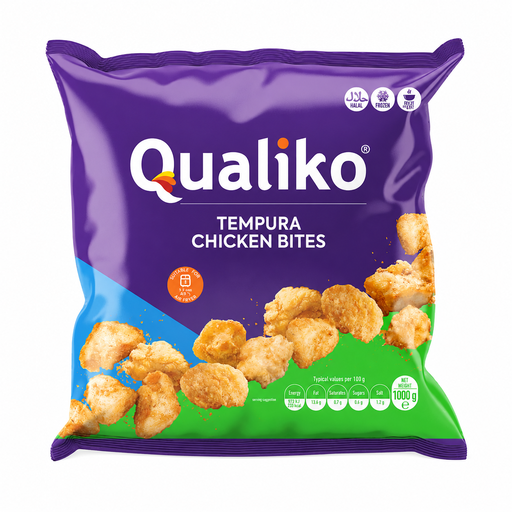
Why it suits this profile: The 1 kg bag is aimed at larger households, parties or repeated use. You can prepare the bites in a pan, oven, deep-fat fryer or air fryer.
The preparation methods, storage temperature and allergens are listed. The product contains wheat and celery and may contain traces of milk, egg and soya, among other allergens.
1 kg contents; several preparation methods; halal designation in the product information.
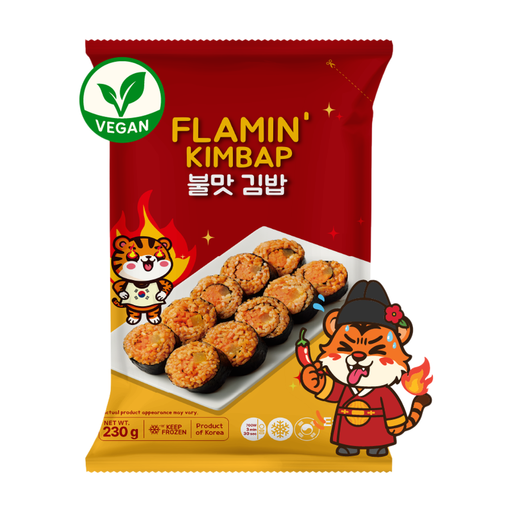
Why it suits this profile: This frozen kimbap is aimed at fans of a bold, Buldak-style flavour and can be prepared in the microwave.
The ingredients list includes red chilli, soya and sesame oil. This makes it clear that it is not a neutral rice snack, and lets you check the allergens in advance.
230 g pack; microwave preparation; rice, carrot, pickled radish and seaweed in the product description.
We have put together a complete, up-to-date list of products that fully meet these strict selection criteria and the applicable European safety regulations.
You can order international snacks online by first filtering by country, flavour, dietary preference, weight and shelf life. Then check the delivery conditions, particularly for frozen products. This helps you avoid choosing a product that does not suit your storage space or planned use.
Store frozen products at the temperature stated on the packaging, usually -18 °C or below. Keep them frozen until you are ready to prepare them. Once a product has thawed, it generally must not be refrozen. Always follow the manufacturer’s specific instructions.
It varies from product to product. Some Indian snacks are vegetarian, while others may contain animal-derived ingredients. A product with a halal label provides greater clarity, but you should also check the allergen list and the complete ingredients list. Brand claims about composition or suitability apply only to the specific product and its current packaging.
