
Vandaag of morgen in huis

Kwaliteit gegarandeerd

Welkomstaanbiedingen ontgrendelen: GRATIS bezorging | Tot 80% korting | Gratis 30 dagen JoyPlus-proefperiode
Download de app
Fancy something other than standard biscuits or crisps from the supermarket? With international snacks, you can discover flavours from Japan, China, Korea, Thailand, Canada and many other countries. At the same time, comparing products online is not always straightforward. Eye-catching packaging tells you little about the serving size, ingredients or whether a product is suitable for your household.
This practical selection guide shows you what to check before ordering Asian snacks, foreign biscuits or exotic crisps.
A tall box or striking tin can suggest that it contains more than it really does. Always check the net weight and the number of individual packs. A 52-gram bag is suitable for trying a flavour first, while a box containing twenty portions is a better choice for an office, family or snack collection.
Pay attention to multipacks too. A product description may mention several packs, while the offer actually contains just one box. Check the stated unit, weight and number of items.
Foreign biscuits and crisps use flavour names that may not be immediately recognisable. “Birthday Cake”, “Sweet & Smoky BBQ” or “Five-Spice” sets an expectation, but the exact recipe varies by product and country of manufacture.
Anyone with allergies or dietary preferences should look beyond the front of the pack. Check the ingredients and allergen information, particularly for milk, soya, wheat, egg, peanuts, nuts and sesame. The packaging remains the definitive source, as recipes and labels can change.
According to a brand’s own research, terms such as “authentic”, “premium” or “extra crunchy” may describe a particular positioning. They are not an objective guarantee that everyone will experience the flavour or texture in the same way. Instead, look at verifiable details such as weight, ingredients, nutritional values, origin and storage advice.
Compare products by grams per pack, not just by the price of the box. A smaller portion can be handy for eating on the go or for reducing waste. Individual packs are also practical when several people want to try different flavours.
Examples from the range:
Sweet snacks such as Oreo biscuits and Japanese snacks often contain wheat, milk and soya. For example, Oreo Birthday Cake Flavored Cookies, 97 grams, contain gluten from wheat, milk and soya. The FURUTA biscuits also list egg as an allergen.
Savoury snacks may contain flavourings, milk powder and soya in their seasoning mixes. Pringles Sour Cream & Onion contains wheat and milk, among other ingredients, and may contain soya. Lay’s Wavy Charcoal Grilled Pork Flavor lists soya and wheat and, according to the product information, contains pork flavouring.
If you have an intolerance or allergy, always read the full label. “May contain” refers to possible cross-contamination and deserves just as much attention as the ingredients list.
The nutrition table makes different packs easier to compare. Pay particular attention to energy, sugar, fat and salt per 100 grams. A small bag is not automatically lower in energy; the portion is simply smaller.
For example:
These figures are not health advice, but they can help you make a suitable choice for a film night, treat, lunch box or cupboard stock.
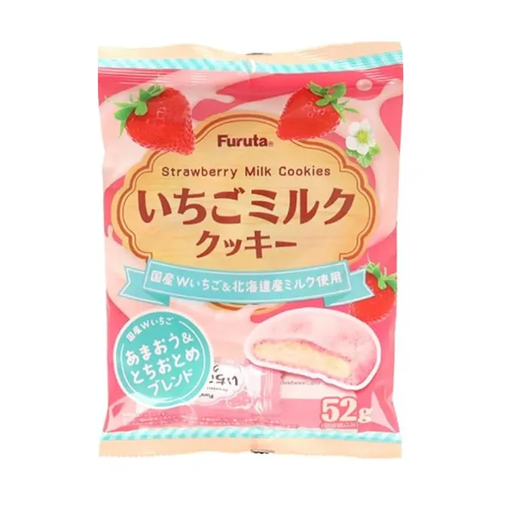
Why it suits this profile: The 52-gram pack is easy to assess when you are trying Japanese snacks for the first time and do not want to buy a large supply.
The net weight is clearly stated. You are therefore paying for a small tasting portion rather than a large-looking box with an unclear contents.
52 grams; strawberry milk flavour; allergen information lists wheat, milk, soya and egg.
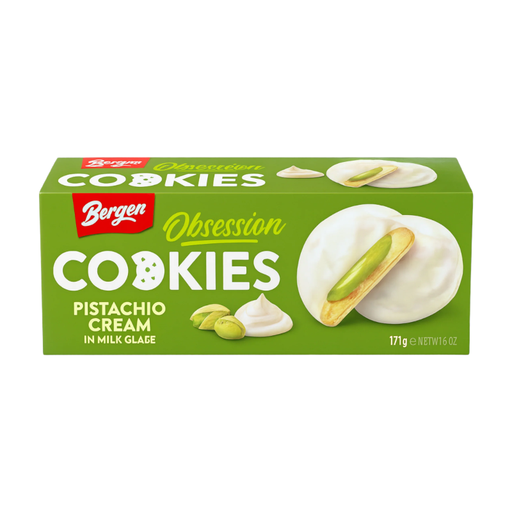
Why it suits this profile: The combination of pistachio cream, milk coating and a crunchy biscuit is ideal for anyone looking for a distinctive sweet snack to enjoy with coffee or tea.
The product information identifies both the filling and the allergens. This allows you to check the expected flavour and suitability before buying.
128 grams; 25% pistachio cream according to the product information; contains gluten, milk, soya and sesame.

Why it suits this profile: Twenty individually wrapped portions make this spicy Chinese snack practical for work, eating on the go, sharing or keeping in stock.
The box states both the total weight and the distribution of 18 grams per pack. This keeps the portion clear, even with frequent use.
360 grams; 20 portions of 18 grams; spicy flavour; contains soya and wheat.
We have put together a complete, up-to-date list of products that fully meet these strict selection criteria and the applicable European safety regulations.
Most dry snacks should be stored in a cool, dry place, away from direct sunlight and heat. Once opened, a well-sealed pack helps retain their crunch. Before eating, check that the packaging is undamaged and review the date information on the product itself.
For snacks containing several individual bags, such as the Wei Long pack, you can keep unopened portions sealed until needed. For products with specific usage instructions, such as some konjac or chilled varieties, follow the label and the manufacturer’s storage advice.
You can buy international snacks online from a range where you can view the weight, ingredients, allergens and date information for each product. Use filters or categories for Asian snacks, Japanese snacks, Chinese snacks, Korean snacks, sweet snacks and savoury snacks.
Choose a smaller pack, such as FURUTA Strawberry Milk Flavor Cookie, 52 grams, Yuki & Love Dorayaki, 55 grams, or Lay’s Wavy Potato Chips, 70 grams. This lets you discover a flavour without immediately ordering a large supply.
Shelf life varies by product and is stated on the packaging. Unopened dry snacks generally keep for longest when stored somewhere cool and dry, away from direct sunlight. After opening, the flavour and crunch may change more quickly, so seal the pack carefully and follow the instructions on the label.
