
Vandaag of morgen in huis

Kwaliteit gegarandeerd

Welkomstaanbiedingen ontgrendelen: GRATIS bezorging | Tot 80% korting | Gratis 30 dagen JoyPlus-proefperiode
Download de app
Buying international snacks has become easier, but eye-catching packaging does not tell the whole story. Those ordering Asian snacks, Korean snacks, Japanese snacks or American candy online may encounter small portions, unclear ingredients or a flavour that differs from expectations.
With a few consistent checkpoints, you can compare products more objectively. This makes it easier to find sweet snacks, savoury snacks and biscuits that suit your taste, budget and occasion.
A large box or tub may contain several small portions, while some packages consist mainly of air or individually wrapped mini portions. Always check the net weight, rather than relying on the size of the packaging alone. You should also compare the price per 100 grams.
For example, an 80-gram bag may be ideal for a film night with one or two people, while a 500-gram pack makes more sense for a party or pantry stock-up.
Terms such as “fruit”, “milk”, “grain” or “light” do not automatically indicate how much of that ingredient a product contains. Check the ingredients list and nutritional information. For example, dried mango may list mango alongside sugar and sulphites. This gives you a clearer picture than the product name alone.
Statements about flavour, texture or suitability may also come from the brand’s product description. According to the brand’s own information, a product may be “soft”, “crunchy” or “suitable for children”. Treat this as a product description, not as objective proof of health or quality.
International snacks may contain gluten, milk, soya, egg, nuts, sesame or sulphites. Always check the current packaging before ordering. Ingredients lists and warnings may be presented differently, particularly for products from Asia or countries outside the European Union.
Also look out for gelatine, sweeteners and colourings. For example, Care Bears Cotton Candy contains the colouring Allura Red AC (E129). The Be&Cheery plum mix lists sweeteners, sulphites and Allura Red (E124). These are important checks for families and people following specific dietary choices.
Pay attention to:
For party snacks, individually portioned packs are practical. The Croky Sharing Mix contains six small bags in three flavours. For a personal treat, a smaller pack such as Tokimeki Panda Cookie Biscuit Milk Flavor, weighing 40 grams, may be more convenient.
The first ingredients listed are generally present in the largest quantities. Oreo Birthday Cake Flavored Cookies, for example, contain sugar and vegetable fats in the filling. The biscuits contain wheat, milk and soya.
If you are buying biscuits for several people, it is worth recording the allergens for each product. An assortment featuring products from different countries and brands increases the likelihood of encountering a wide range of ingredients.
Use the values per 100 grams for a fair comparison. Here are a few examples from the available product information:
This makes the differences between sweet snacks, savoury snacks and products intended for smaller portions easier to see. Nutritional values may vary by market or packaging, so always check the label when your order arrives.
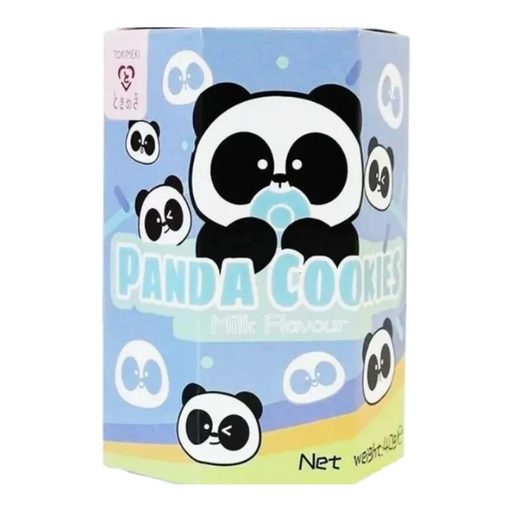
Why it’s a good fit: A small pack of Japanese biscuits for anyone who wants to try international snacks before committing to a larger purchase, or who is looking for a convenient lunchbox treat.
The 40 g net weight makes the portion clear from the outset, without committing to a large package.
Panda shapes, a milk flavour and a compact pack. According to the product information, it contains wheat and milk.
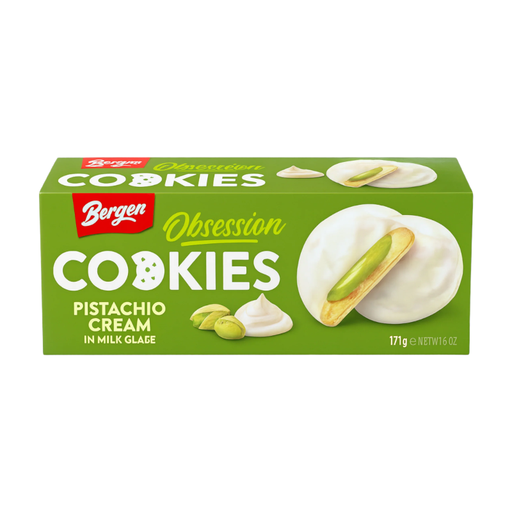
Why it’s a good fit: Ideal with coffee or tea when you are looking for a biscuit with pistachio cream and a milk glaze.
The ingredients list specifies pistachio paste containing 2.5% pistachio and notes potential allergens such as egg and peanuts.
128 g net weight, 527 kcal and 41 g of sugar per 100 g according to the available product information.
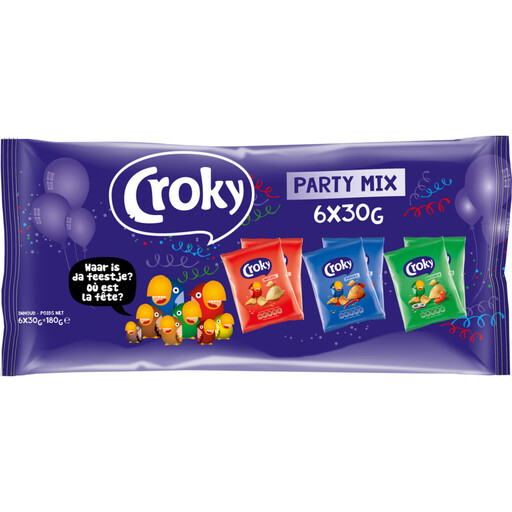
Why it’s a good fit: A practical party-snack option with six bags and three flavours: natural, paprika and bolognese.
The portions are divided into separate bags, so one large pack is not left open long enough to lose its crunch.
180 g total weight and three flavour varieties. The product contains soya and lists monosodium glutamate in the seasoning mix.
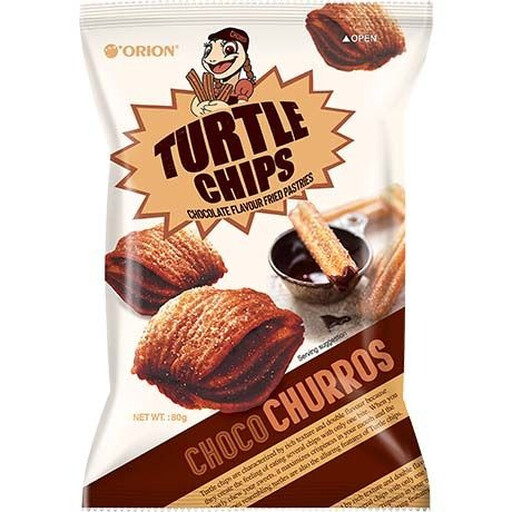
Why it’s a good fit: For fans of a sweet, crunchy Korean snack with chocolate and cinnamon notes.
The 80 g portion is clearly defined; the product information also lists gluten, milk and soya.
A four-layer structure according to the product description, with 528 kcal and 0.63 g of salt per 100 g.
We have put together a current selection of products that match these practical selection criteria and the available product information.
Before checking out, make a quick comparison:
Alongside Korean snacks and Japanese snacks, you can also find Chinese snacks, American candy, fruit products, cakes and savoury seaweed snacks. Combining different product types makes it easy to put together a tasting box or gift hamper.
Pay particular attention to the ingredients, allergens, net weight and shelf life. For snacks with packaging in a foreign language, check whether the product information is available in a language you can understand. The current packaging remains the definitive source.
That depends on the product. Check the gelatine, sweeteners, colourings, allergens and recommended usage information. Young children should be supervised while eating small, soft sweets. A product description stating that a snack is “suitable for all ages” does not replace checking the label.
Most products should be stored in a cool, dry place away from direct sunlight. Seal opened bags securely to limit moisture and loss of quality. Chocolate products such as KitKat Strawberry Short Cake require extra care at temperatures above the recommended storage temperature.
