
Vandaag of morgen in huis

Kwaliteit gegarandeerd

Welkomstaanbiedingen ontgrendelen: GRATIS bezorging | Tot 80% korting | Gratis 30 dagen JoyPlus-proefperiode
Download de app
Buying sauces from around the world online might seem straightforward, but the range varies widely in flavour, ingredients, heat and how each sauce is best used. A jar that looks ideal for noodles, for example, might be too salty as a dip. A mild salsa, on the other hand, may not add much to a stew. By checking a few key details, you can avoid a disappointing purchase and choose more confidently from Asian sauces, Mexican salsa, satay sauce, pesto, tapenade, ajvar and other flavour boosters.
Terms such as hot, medium, chilli or pepper aren’t used consistently across products. So check the ingredients and suggested uses. A sauce with chilli near the top of the ingredients list is generally more concentrated than a salsa where tomato is the main ingredient. With a pepper or paprika paste, the balance of sweet and hot peppers also affects the flavour.
A big jar might look appealing, but sauces can lose their quality more quickly after opening if they aren’t sealed properly and kept chilled. So check the net quantity, storage instructions and how long the sauce keeps after opening. A 230 to 300 gram jar may be more practical if you only use the sauce occasionally. A larger size can make sense if you cook at home often or have a big household.
Always check the ingredients list and allergen information. Asian sauces, for example, often contain soya, wheat, sesame, peanuts or shellfish. Pesto often contains milk and nuts, while satay sauce contains peanuts and sometimes milk ingredients. A product that looks plant-based isn’t necessarily vegan.
First, decide what you want to use the sauce for:
Always compare nutritional values on the same basis. An Asian dipping sauce may be relatively high in salt, while satay sauce often contains more fat and sugar. For example, Qian He Dipping Sauce lists 10.48 grams of salt per 100 ml. Juan Cheng Dipping Sauce lists 2,298 mg of sodium per 100 grams. That doesn’t mean you should automatically rule out either product, but it’s useful information when deciding on portion size and how to use the sauce.
Read the allergens highlighted in bold on the label, even if you’ve bought the product before. Recipes can change. Also look out for instructions such as ‘refrigerate after opening’ or ‘consume quickly’. Properly sealing sauces that contain oil, fresh ingredients or dairy is especially important. If in doubt, always refer to the packaging for the most up-to-date information.
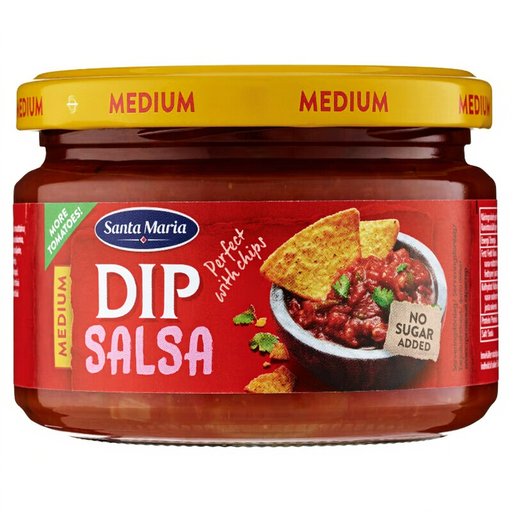
Why it suits this shopper: A ready-to-serve Mexican salsa for anyone who wants an easy way to get started with dips, nachos or fresh vegetables.
The ingredients and nutritional values are clearly listed. The sauce has a medium heat level and, according to the product information, contains no added sugar.
245 ml, ready to serve and ideal with crisps, nachos and vegetables. The listed ingredients include 77% tomato.
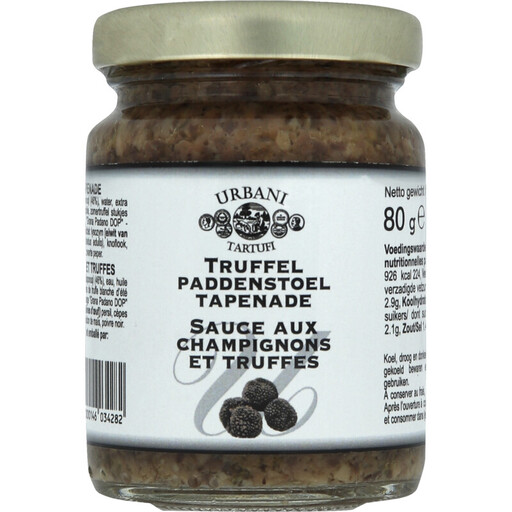
Why it suits this shopper: A compact Italian tapenade for anyone looking for a distinctive flavour to add to pasta, risotto, pizza or bread.
The product information specifies 46% mushrooms and 8% summer truffle pieces. This makes the flavour profile clearer than that of a sauce with a generic label.
80 grams is a handy size for measured portions. Contains olive oil, mushrooms, truffle pieces and Grana Padano; note that it contains milk and egg allergens.
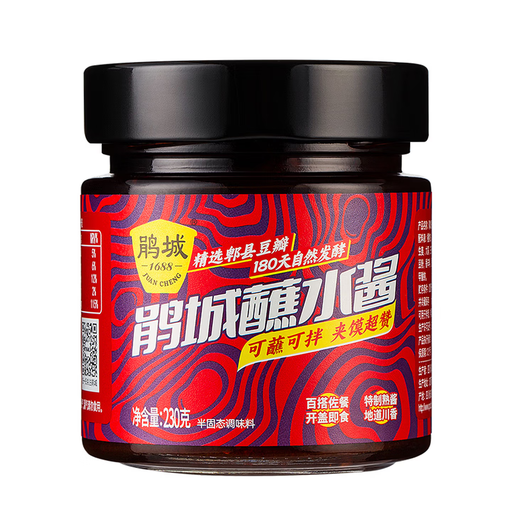
Why it suits this shopper: Designed for fans of Sichuan flavours who want one product to use as a dipping sauce, a seasoning for rice and noodles, or a base for stir-fries.
It isn’t limited to just one dish. The product description lists Pixian bean paste, chilli, fermented black beans, ginger and garlic as flavour ingredients.
230 grams, a semi-solid consistency and ready to mix in. Contains soya, wheat, sesame and broad beans, among other ingredients; check the label if you have allergies.
We’ve put together a complete, up-to-date list of products that meet these strict selection criteria and comply with current European safety regulations.
For Thai dishes, try Cock Brand Thai Satay Sauce, which contains coconut, curry and 15% peanuts according to the product information. Oncu Tomato Paprika Paste is a good match for Turkish or Mediterranean meals, with 60% tomato, 20% sweet red pepper and 20% hot red pepper. If you prefer a plant-based dip or spread, consider Sera Aci Ajvar; the product description lists roasted red pepper, aubergine, oil, garlic and chilli.
If you’re choosing a vegan product, be sure to check the full label. g’woon Pesto Alla Genovese, for example, contains cheese, yoghurt, cashew nuts and pine nuts, so it isn’t suitable for every diet.
Choose a sauce with a clear savoury base, such as soya, fermented beans, chilli, garlic or ginger. According to its product description, Juan Cheng Dipping Sauce is suitable for mixing with rice and noodles. Start with a small amount, as salt levels can vary considerably between products.
It depends on the product. Always follow the storage instructions on the packaging. Many sauces need to be refrigerated after opening and sealed tightly. Check the smell, colour, consistency and stated shelf life. Don’t use a product if the packaging is damaged or you’re unsure about its quality.
It depends on the recipe. According to the product information, Sera Tatli Biber Salcasi is suitable for vegetarians and vegans. Sera Aci Ajvar is described as vegan and gluten-free. Satay sauces, on the other hand, may contain peanuts, soya or milk, while pesto often contains cheese and nuts. So always check the latest ingredients list on the packaging.
