
Same-day & Next-day Delivery

Quality Guaranteed

Unlock Your Welcome Offers: FREE Delivery | Up to 80% OFF | Free 30-day JoyPlus trial
Download the APP
A quick meal from the freezer is handy for busy weekdays, student rooms and stocking up the freezer. However, international frozen meals and snacks can vary widely in portion size, preparation, ingredients and ease of storage. Attractive packaging doesn’t always tell the whole story.
If you’re buying Asian frozen products, Korean snacks or Dutch convenience foods, it’s worth focusing on verifiable product information. Below, you’ll find the key things to look out for, along with some suitable options for different occasions.
“Ready in minutes” could mean you still need to defrost the product, turn it regularly or use a pan with oil. Always check:
For example, a meal that can only be prepared in the microwave may be a better fit for an office or student room than a snack that needs deep-frying oil.
A multipack can be handy for stocking up, but check the number of portions per pack and the use-by date. Ten packs of rice are practical if you eat rice regularly, while a large pack of snacks may not be suitable if you have limited freezer space.
Also check the difference between an individual portion and a pack containing several small portions. This helps you compare prices and nutritional values accurately.
Check the ingredients list and allergen information on the product itself. Soy, wheat, gluten, egg, milk, peanuts, mustard and sesame are often found in gyoza, spring rolls, onigiri and sauces.
Recipes and packaging for international products can change. The product page is a useful starting point, but the label on the pack you receive is the one to follow.
The cooking method can make a big difference to crispy products such as spring rolls and gyoza. For example, the product information for Mora Spring Roll Chicken & Ham gives separate cooking times for a deep-fat fryer, oven, frying pan and air fryer. This is useful if you want to know in advance what equipment you’ll need.
For bibigo Korean BBQ Gyoza (Vegan), the suggested methods include steaming and pan-frying. According to the product information, cooking from frozen takes around seven to eight minutes, depending on the method.
Don’t just compare the weight; think about when you’ll use the product:
A 100-gram onigiri is easy to take with you or heat individually. A pack of six makes more sense if you’re planning several lunches or snack breaks in advance.
Check the nutritional values per 100 grams and per portion, if both are listed. When comparing products, pay particular attention to salt, saturated fat, sugar and protein. These figures won’t tell you whether a meal is right for everyone, but they can help you make an informed choice.
Examples from the range:
If in doubt, always check the latest packaging. Product information on a website may contain additional or different details.
The selection below matches products to specific occasions. It’s based on pack size, cooking method, ingredient information and portion size, rather than general advertising claims.
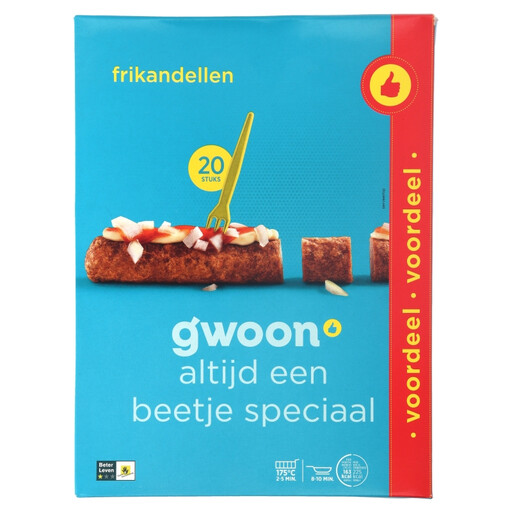
Why it suits this profile: A pack of twenty is practical if you regularly want to prepare a Dutch snack and stock up.
The clearly stated number of pieces makes it easier to compare with an unclear snack mix. Be sure to check the storage temperature and allergens on the packaging.
Twenty individual snacks; suitable for a quick bite or as part of a meal.
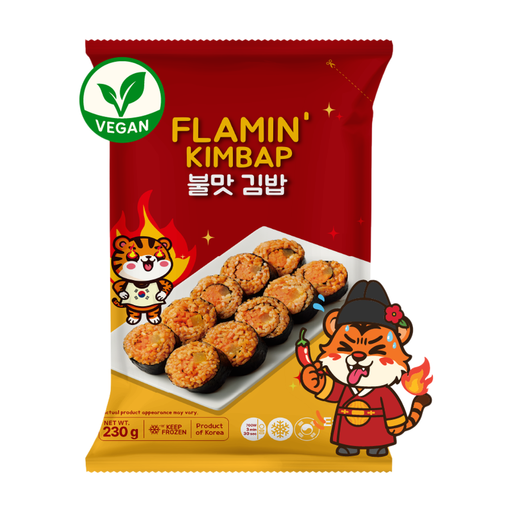
Why it suits this profile: This Korean rice roll combines rice, vegetables, seaweed and a Buldak flavour in a single 230-gram portion.
The cooking instructions say to heat it in the microwave. Check beforehand that you enjoy spicy flavours and are happy with the soy, wheat and sesame oil it contains.
A complete 230-gram portion, suitable for a quick Korean lunch or evening meal.
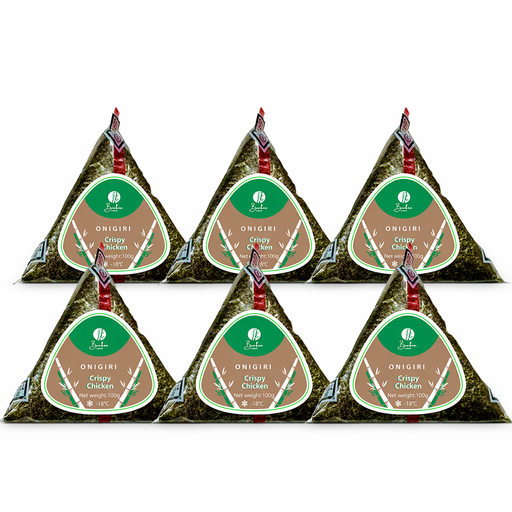
Why it suits this profile: Six individual Japanese onigiri are ideal for several lunches or snack breaks, and easy to plan one at a time.
The multipack means you don’t need a new pack for every mealtime. Just be sure to note the listed allergens: egg and mustard.
Six 100-gram portions; the product information lists rice, seaweed and chicken.
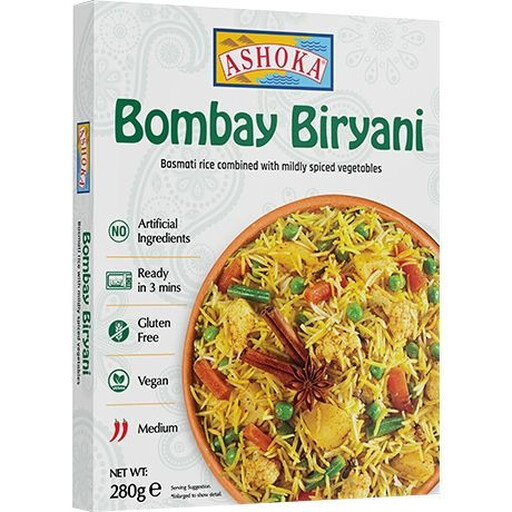
Why it suits this profile: This Indian ready meal contains basmati rice and vegetables, and the product information describes it as suitable for vegetarians and vegans.
The product information lists the ingredients and nutritional values. If you follow a strict vegan diet, check the latest label as well.
A 280-gram portion with rice, potato, carrot, peas and green beans.
We’ve put together a complete, up-to-date list of products that meet these strict selection criteria and current European safety requirements.
Storage times vary by product and are shown on the packaging. Store frozen products at the specified temperature and keep the packaging sealed. Once defrosted, follow the instructions; many products must not be refrozen.
It depends on the portion size, pack and cooking method. A multipack can reduce the price per portion, while a small individual meal is handy if you want to avoid waste. Compare the price per 100 grams or per portion.
Products with microwave instructions, such as certain kimbap or ready meals, are practical if you don’t have an oven. For gyoza, frikandellen and spring rolls, a pan, air fryer or deep-fat fryer may be suitable alternatives. Always check the specific cooking instructions on the label.
