
Vandaag of morgen in huis

Kwaliteit gegarandeerd

Welkomstaanbiedingen ontgrendelen: GRATIS bezorging | Tot 80% korting | Gratis 30 dagen JoyPlus-proefperiode
Download de app
International drinks can make a barbecue, party or dinner more interesting. Think Asian drinks, Caribbean soft drinks, African malt drinks, Japanese plum wine or Spanish sangria. However, it is not always clear exactly what you are buying. Eye-catching packaging reveals little about sugar content, alcohol percentage, volume or allergens.
This practical selection guide helps you compare drinks using verifiable product information and makes it easier to choose something suited to the occasion.
Words such as “tropical”, “peach” or “muscat” mainly describe the flavour profile. They do not automatically indicate how much fruit juice the drink contains. For example, according to the product information, Passoa Festa Passion Fruit Cocktail contains 2% passion fruit juice from concentrate. The rest of the flavour profile comes from flavourings and other ingredients, among other things.
Always check the ingredients list. Pay attention to the difference between:
As a result, an exotic soft drink may be quite different from what you expect based on the front of the packaging.
A tray containing 24 cans is useful for a party or large household, but less practical if you want to try a flavour first. Fernandes Green Punch, Cherry Bouquet and Super Pineapple come in 24 cans of 330 ml. That is a total volume of 7.92 litres. For everyday use, a smaller pack may sometimes make more sense.
So compare the price per litre and ask yourself:
Alcoholic drinks with a sweet or fruity flavour can be easy to drink, but the alcohol percentage remains important. Choya Original Plum Wine contains 10% alcohol, Oppa Peach Soju 12% and Don Garcia Sangria 7.5%. Bacardi Punch Cocktail and Passoa Festa Passion Fruit Cocktail both state 14.9%.
So check more than just the flavour:
Alcohol is not suitable for children. Do not drink alcohol during pregnancy and always drink responsibly.
The alcohol-free drinks category is broad. The product information describes Malta Guinness and Supermalt as non-alcoholic malt drinks. However, they have a distinctive malty and sweet profile. Malta Guinness contains 57 kcal and 11 grams of sugar per 100 ml; Supermalt contains 62 kcal and 12.8 grams of sugar per 100 ml.
“Alcohol-free” therefore does not automatically mean sugar-free or low in calories. If you are looking for a soft drink with less sugar, you can compare the nutritional information with, for example, Pepsi Peach zero sugar. According to the product information, this drink contains 0 grams of sugar and 0 kcal per 100 ml, but it does contain sweeteners, including aspartame. If you have an allergy or intolerance, always check the current packaging.
International drinks may contain ingredients you would not immediately expect. Malt drinks, for example, often contain barley or barley malt. Malta Guinness and Supermalt list barley as an allergen. Liefmans Peach on the Rocks contains barley and wheat.
When choosing, look out for:
The product page is useful for an initial comparison, but the packaging remains the definitive source when ingredients or allergens are important to you.
For an individual drink, a 360 ml bottle of soju or a 230 ml drink pouch is easier to manage than a large bottle. For sharing with several people, a 750 ml bottle of Choya, 700 ml of Bacardi Punch or 1.5 litres of Don Garcia Sangria is more practical.
Serving suggestions may also influence your choice:
Flavour pairings are a matter of personal preference. According to the product description, LEO is served with Thai dishes and grilled food, among other things; this is a serving suggestion, not a guarantee of a particular taste experience.
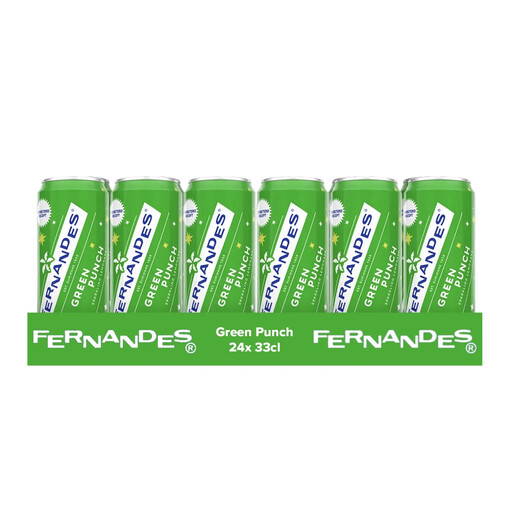
Why it suits this profile: An alcohol-free multipack for anyone who wants to serve a tropical soft drink at a party, barbecue or family gathering.
The packaging clearly states that it contains 24 cans of 330 ml and provides the nutritional values per 100 ml. This allows you to estimate the total volume and sugar content in advance.
24 x 330 ml, tropical Green Punch flavour and suitable for serving chilled.
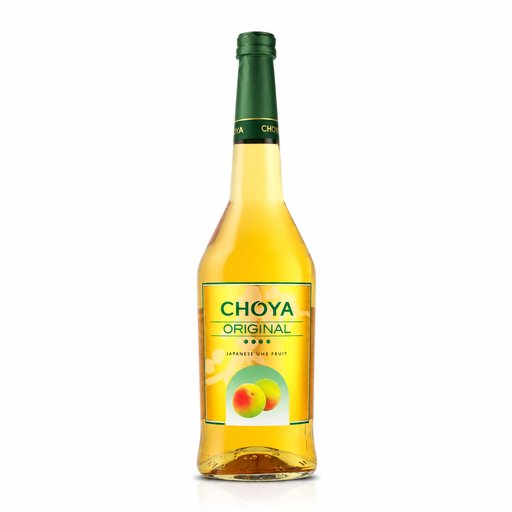
Why it suits this profile: For adults who want to serve Japanese plum wine with dinner, as a digestif or in a cocktail.
The alcohol percentage of 10% and the ingredients – ume plums, sugar and distilled spirits – are listed clearly. You therefore do not have to rely on the flavour name alone.
750 ml volume, 10% alcohol and suitable for serving chilled, over ice or in cocktails.
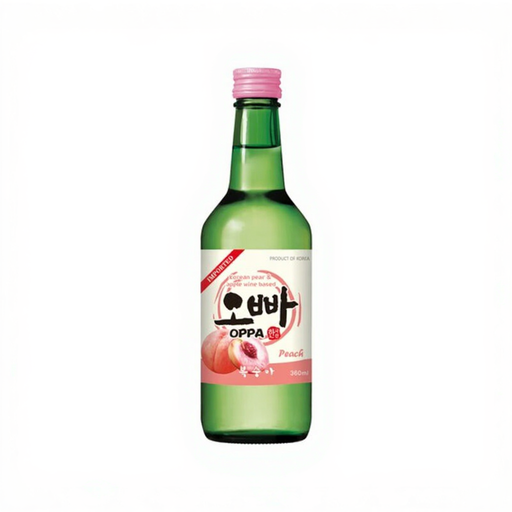
Why it suits this profile: A compact choice for anyone who wants to drink Korean soju chilled, serve it over ice or use it in fruit cocktails.
The 360 ml bottle and 12% alcohol content make it easier to estimate servings than with a large mixed-drink bottle.
Peach flavour, 360 ml volume and suitable for serving chilled or mixing.
We have compiled a complete, up-to-date list of products that fully meet these strict selection criteria and the applicable European safety regulations.
That depends on your guests. For an alcohol-free table, Fernandes Green Punch, Fernandes Cherry Bouquet, Ting Soda Raisin and malt drinks are practical options. For adults, you could consider sangria, plum wine, soju or a ready-made cocktail. Combine smaller packs with larger bottles so guests can try different flavours.
Store unopened drinks according to the label, usually in a cool, dry place away from direct sunlight. After opening, many soft drinks and drink pouches should be kept chilled and used within the stated period. Seal bottles securely. The same applies to alcoholic drinks such as Choya, soju and cocktails: check the packaging and follow the stated storage instructions.
The price per litre varies considerably. A multipack may appear to offer good value, but it may contain more drink than you need. So compare the price per litre, the number of servings, the alcohol percentage and the ingredients. A smaller pack may be more economical if you want to try an unfamiliar flavour first.
