
Vandaag of morgen in huis

Kwaliteit gegarandeerd

Welkomstaanbiedingen ontgrendelen: GRATIS bezorging | Tot 80% korting | Gratis 30 dagen JoyPlus-proefperiode
Download de app
Buying international drinks may seem straightforward, but product names and attractive packaging do not always tell the full story. A Japanese cider may be alcohol-free, a Korean fruit drink may contain alcohol and a multipack is not automatically better value per litre. So, if you are ordering Asian drinks, tropical soft drinks or wine online, it is worth checking a few key details.
This buying guide will help you compare products using information found on the label or product page. That way, you can avoid choosing the wrong flavour, encountering unexpected allergens or buying packaging that does not suit the occasion.
Words such as cider, wine, soju or makgeolli can be used for different types of products. For example, Tomomasu Yubari Melon Cider has a cider-style name, but its stated ABV is 0.0%. Woorisool rice wine makgeolli peach, on the other hand, contains 3% alcohol, while Oppa Peach Soju Drinks contains 12%.
So always check:
In the Netherlands, the minimum age for alcoholic drinks is 18. Do not drink if you still need to drive, and avoid alcohol during pregnancy.
A fruit drink, Japanese soft drink or drinking yoghurt may have a pronounced fruit flavour because of juice, sugar, sweeteners or flavourings. For example, Fernandes Red Grape lists both sugar and sweeteners among its ingredients. Mogu Mogu Blackcurrant contains nata de coco and states 12 grams of sugar per 100 ml.
If you want to compare products fairly, check the nutritional information per 100 ml. A small bottle may appear to contain little sugar, while a large bottle or multipack may ultimately provide more. Also look out for terms such as fruit juice from concentrate, fructose syrup, glucose or sweetener.
Ingredients and warnings on international products may be presented differently from what you are used to. Makgeolli Peach, for example, contains wheat and therefore gluten-containing cereals. Amstel Radler Fruity Cider and Malta Guinness contain barley. Fristi and Melkan Red Fruit Drinking Yoghurt contain milk. Wine and some fruit wines may contain sulphites.
Also check whether a product needs to be refrigerated after opening. A long-life drinking yoghurt, for example, may need to be stored in the fridge after opening and used within a few days.
First choose the flavour profile that suits the occasion:
When you see terms such as “natural”, “authentic” or “refreshing”, look at the specific information behind them. A flavour description is subjective; the juice percentage, ingredients list and nutritional information can be checked.
A 245 ml bottle is useful for trying a new flavour, while 750 ml or 1 litre may be more suitable for a meal or sharing. Multipacks are practical for parties, but compare the total volume:
A multipack also reduces the risk of running out of drinks during a party, but it is less suitable if you want to try an unfamiliar flavour first. Also consider whether the drink comes in a bottle, can or carton, and how the packaging needs to be resealed after opening.
Carry out this quick check before ordering:
For alcohol-free sparkling wine, it is sensible to check the product description and the label together. Kolonne Null White Sparkling is described as sparkling wine, while Oddbird Spumante is described as alcohol-free sparkling wine. Before serving, always check the current packaging if an exact alcohol percentage is important to you.
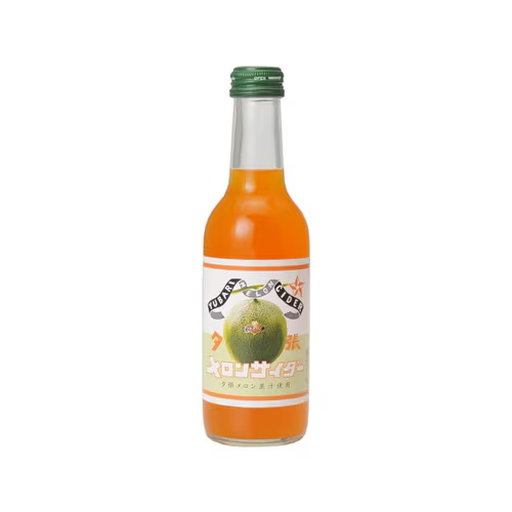
Why it suits this profile: The small bottle size makes it easy to try an unusual Japanese fruit flavour without committing to a large quantity. The product information states 0.0% alcohol and 230 kJ / 55 kcal per 100 ml.
The name cider may be confusing, but the stated alcohol content is clear. The 245 ml size means you do not have to buy a large supply straight away.
Yubari melon flavour, sparkling and free from the 14 major EU allergens according to the product information.
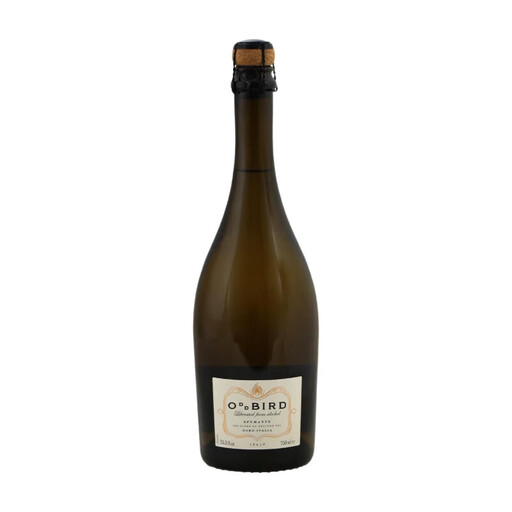
Why it suits this profile: This alcohol-free sparkling wine is designed for celebratory occasions when you do not want to serve regular wine. The 750 ml bottle is well suited to sharing at the table.
The description explicitly refers to a non-alcoholic sparkling wine. Before buying, however, check the current packaging for the full specifications.
750 ml, fruity description and none of the 14 major EU allergens listed in the product information.
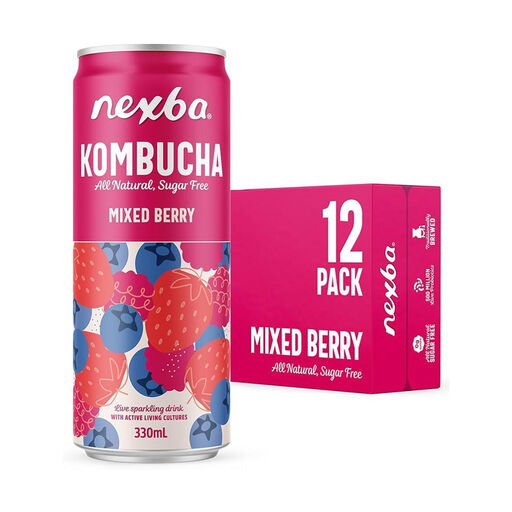
Why it suits this profile: The 12-pack of 330 ml bottles is practical for an office, gathering or regular stock. The berry flavour and sparkling base suit anyone considering kombucha as an alternative to ordinary soft drinks.
The ingredients and nutritional information are clearly stated: 2 kcal and 0 g sugar per 100 ml according to the product information. The drink must be refrigerated after opening.
12 bottles of 330 ml, mixed-berry flavour and none of the 14 major EU allergens listed.
We have put together a complete, up-to-date list of products that fully meet these strict selection criteria and the applicable European safety regulations.
Check the volume, ingredients, allergens, shelf life, storage instructions and alcohol content. Also compare multipacks by their total number of millilitres, not just the price of the pack. For a new flavour, a small bottle is often a practical first choice.
That depends on your guests. Alcohol-free sparkling wine and Japanese soft drinks are useful when you want to cater for different ages and preferences. For larger groups, multipacks such as Nexba Kombucha Mixed Berry, Malta Guinness Malt Drink or Mogu Mogu Blackcurrant are practical. Always include alcohol-free alternatives when serving alcoholic options.
Follow the instructions on the label. Unopened drinks should generally be stored somewhere cool and dry, away from direct sunlight. After opening, many products need to be refrigerated and used within the stated period. Check that the cap is secure on fizzy drinks, and do not use a bottle or can whose seal was damaged before opening.
