
Vandaag of morgen in huis

Kwaliteit gegarandeerd

Welkomstaanbiedingen ontgrendelen: GRATIS bezorging | Tot 80% korting | Gratis 30 dagen JoyPlus-proefperiode
Download de app
Buying international biscuits and snacks may seem straightforward, but the wide choice can make it difficult to compare products. Eye-catching packaging tells you little about what’s inside, and a large multipack isn’t automatically better value if you haven’t tried the flavour before. Product information, allergens and nutritional values can also vary between versions.
Use this practical guide to start by checking the details you can verify: net weight, ingredients, allergens, nutritional information, packaging and shelf life. Then choose from Japanese biscuits, Korean snacks, Oreo biscuits, chocolate biscuits and other sweet treats.
Oreo, Pocky and other international brands sell products with different fillings and from different countries. Oreo Original, for example, contains cocoa biscuits with a vanilla filling, while Oreo Raspberry & Blueberry has a fruity cream filling. So look beyond the brand and check the flavour, country of origin and ingredients list.
A 403-gram pack or a box containing several items is handy for sharing, but less suitable if you want to try an unfamiliar flavour first. Smaller packs, such as those weighing 40 to 97 grams, are easier to manage for a first purchase. Multipacks are especially practical for families, lunchboxes or stocking up at home.
Words such as ‘creamy’, ‘premium’ or ‘natural’ don’t always tell you exactly what you’ll receive. Check the product page and read the packaging when your order arrives. Several products come with a note from the seller that the actual packaging may contain additional or different information. The packaging label should therefore be your guide when it comes to allergies and dietary choices.
Compare products by price per 100 grams, not just by the price of the pack. A 40- or 45-gram bag of Pocky is ideal for an individual snack. A 234- or 468-gram box of Orion Choco Pie is better suited to sharing or stocking up. Convenience is also worth considering with individually wrapped biscuits, such as FESTIVAL Vanilla Flavour Cookies in a 403-gram pack.
First, decide what kind of snack you’re looking for:
A product description can give you an idea of the flavour, but personal preference is what matters most. If you like sweet, creamy treats, you may prefer a filled variety. If you’re after a satisfying crunch, dry biscuits or biscuit sticks could be a better choice.
Always check the allergens listed on the product page and packaging. Many products contain wheat, milk, soya or egg. Some varieties also list hazelnuts, peanuts, sesame or possible traces of nuts.
Nutritional values vary from product to product. Glico Pocky Cookies & Cream, for example, lists 500 kcal per 100 grams, while LOTTE Koala’s March Whole Wheat Biscuit with Choco lists 243 kcal per 46-gram pack. You can only compare these figures properly if you use the same unit. According to product information from the brands or suppliers, recipes and labelling may vary between markets, so check the packaging you receive.
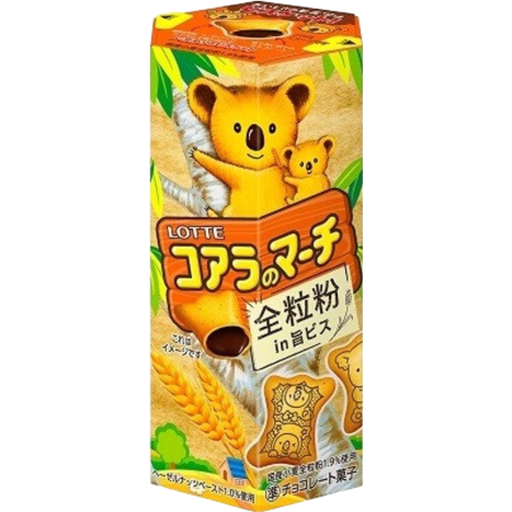
Why it suits this shopper: The 46-gram pack keeps a first purchase manageable. The koala shapes and chocolate cream make this an easy choice for children and adults alike.
The small pack reduces the risk of ending up with a large supply of a flavour you haven’t tried before. The allergen information lists wheat, egg, milk, soya and hazelnuts.
46 grams per pack, a crunchy biscuit texture and mildly sweet chocolate cream.
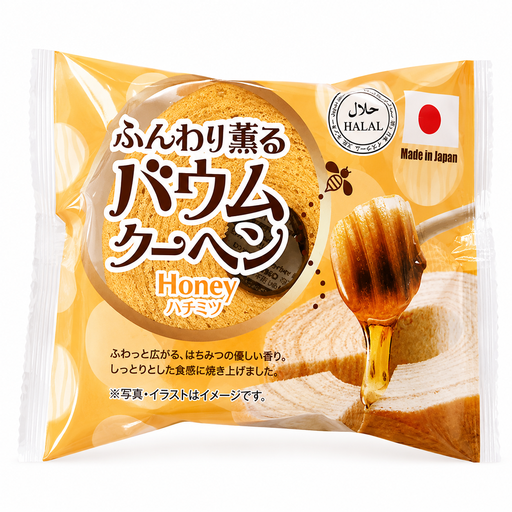
Why it suits this shopper: This Japanese cake snack is a good choice if you’re looking for something different from a standard biscuit and want a compact, individually sized treat.
The product information clearly lists the main allergens: egg, wheat, milk and soya. This lets you compare the ingredients before buying, rather than relying on the packaging alone.
52 grams, a soft, cake-like texture and a honey flavour.
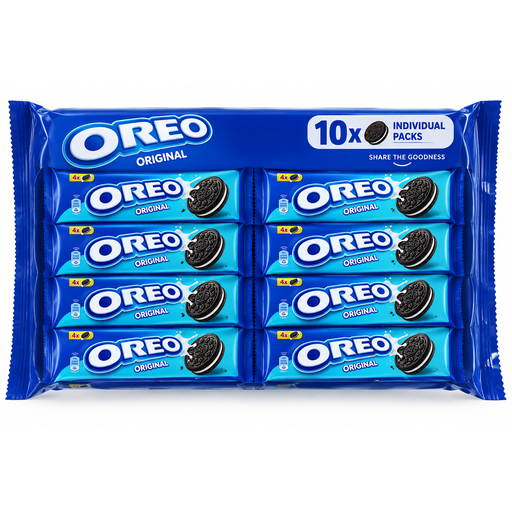
Why it suits this shopper: The ten-pack is ideal for families, treats, stocking up and occasions when several people want their own portion.
The individual packs help you keep your supply portioned out. Do check the best-before date and allergens: this variety contains wheat and soya and may contain milk.
10 x 66 grams, classic cocoa biscuits with vanilla filling, ideal for sharing.
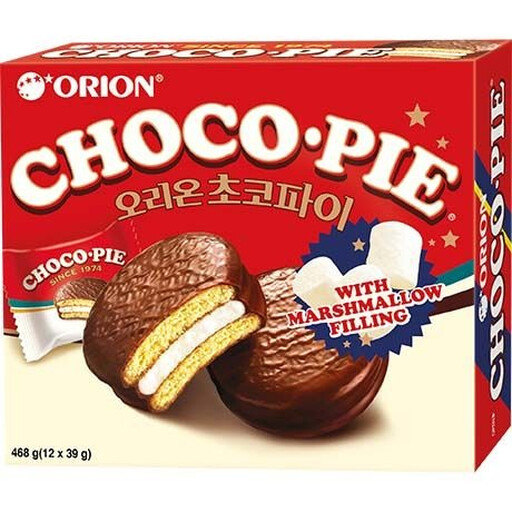
Why it suits this shopper: The combination of soft cake, filling and chocolate coating makes this a change from ordinary biscuits. It’s also handy for sharing or keeping in the cupboard.
The product information lists the weight, ingredients and allergens. Always check the packaging before eating, especially for gelatine, milk, egg, soya and possible traces of nuts.
468 grams, a soft cake texture and a chocolate coating for fans of Korean snacks.
We’ve put together a complete, up-to-date list of products that meet these strict selection criteria and the applicable European safety regulations.
Use these tips before you order:
A selection of smaller packs often works well. Japanese biscuits such as Pocky, NIKKO Strawberry Cookies or Funwari Kaoru offer a variety of shapes and textures. Be sure to check the shelf life, allergens and any preferences the recipient may have.
Japanese snacks often come as biscuit sticks, filled biscuits or compact cake snacks, such as Pocky and baumkuchen cake. Korean snacks, such as Orion Choco Pie, more often have a soft cake base with filling and a chocolate coating. This is a general guide to the product types, so always check the specific ingredients and texture of each variety.
Follow the storage instructions on the packaging. These products should generally be kept in a cool, dry place, away from direct sunlight and heat. Seal opened packs tightly to keep them crunchy. It’s best not to use damaged packaging.
