
Vandaag of morgen in huis

Kwaliteit gegarandeerd

Welkomstaanbiedingen ontgrendelen: GRATIS bezorging | Tot 80% korting | Gratis 30 dagen JoyPlus-proefperiode
Download de app
Anyone looking to buy international beer will soon come across dozens of options, from Japanese and Thai beer to Polish and Vietnamese beer, as well as Belgian speciality beers. However, attractive packaging or the word “premium” does not tell you everything. The key differences often lie in the alcohol content, pack size, ingredients and how you plan to serve the beer.
This practical guide helps you compare world beers using verifiable product information. That way, you can avoid paying too much for a pack that does not suit your party, cupboard or favourite meal.
A 24-pack of beer might contain 250 ml cans, 330 ml bottles or 500 ml cans. So do not just compare the price of the crate; also check the total volume in litres.
For example:
A smaller pack can be convenient for a dinner, while a crate of 24 × 50 cl makes more sense for a barbecue or larger gathering.
Premium lager is not a uniform legal taste category. It may refer to a light, refreshing pilsner-style beer, but it can also be a fuller lager with more pronounced malt notes. Check the product description, alcohol content and ingredients.
According to the product description, for example, Kirin Ichiban contains water, malted barley, hops and rice, and has an alcohol content of 5.0%. Saigon Special is described as a Vietnamese premium lager at 4.9%, while Lech Pils contains 4.8% alcohol.
Always check:
Product information may vary between packs or batches. For this reason, also check the physical label when your order arrives.
A pilsner-style beer of around 4.8% to 5.2% is often a good choice with a meal, for drinks or at a barbecue. Stronger varieties require more attention to serving size and drinking pace. Karpackie Mocne is listed in the product information as containing 6.8% alcohol, while Affligem Dubbel contains 6.7%.
For responsible drinking: alcohol is intended for adults aged 18 and over only. Do not drink if you still need to drive, and be aware of your own limits.
Cans are practical for parties and storage. A 24-pack is suitable if you are expecting several guests or regularly drink beer. Bottles are often a better fit for a dinner or when serving beer in a glass. A 6-pack or 12-pack also reduces the chance of being left with a large stock of beer.
Pay attention to the net volume. A box containing 24 cans of 330 ml holds considerably less beer than a crate with 24 cans of 500 ml, even though the number of units appears to be the same.
Use the description as a guide rather than a fixed guarantee. According to the product description, Harnaś has a malty, grainy aroma with a slight bitterness on the finish. Lech Pils is described as medium-bodied, with mild bitterness and higher carbonation. Asian lagers such as Singha, LEO, Saigon and Kirin are often offered as refreshing accompaniments to spicy dishes, grilled meat, noodles and seafood.
For a dinner, you can consider these practical pairings:
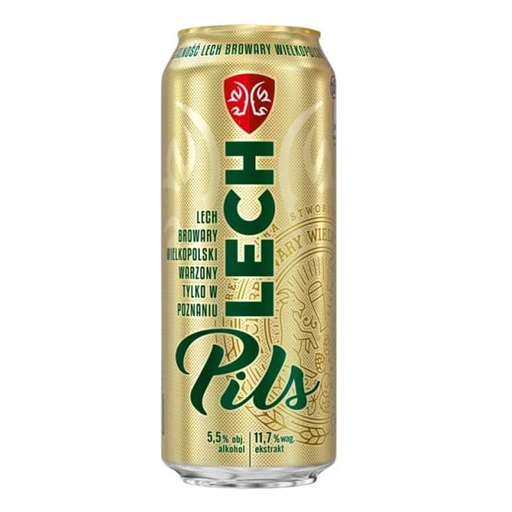
Why it suits this profile: Lech Pils is an approachable Polish pilsner with 4.8% alcohol and a 50 cl pack size. This makes it a straightforward choice if you want to buy foreign beer without immediately committing to a large multipack.
The volume, origin and alcohol content are clearly stated in the product information. You therefore do not have to rely solely on the packaging or the word “premium”.
50 cl per pack, 4.8% alcohol and a described profile with medium sweetness and mild bitterness.
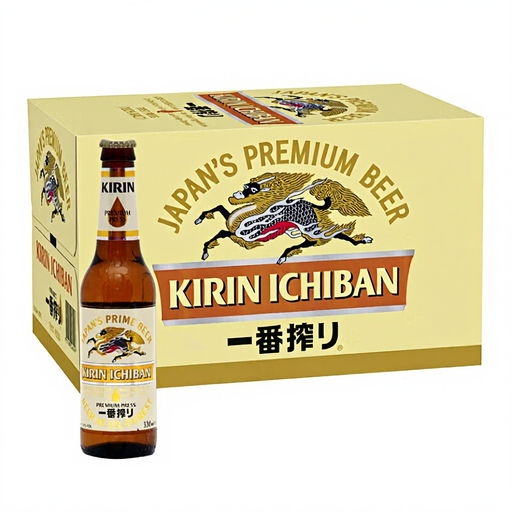
Why it suits this profile: If you are looking for Japanese beer for meals or to keep in stock, you get 24 cans of 330 ml. According to the product description, the Ichiban Shibori method is used and the beer has an alcohol content of 5.0%.
The fixed format removes any confusion about the total amount in stock: 24 units of 330 ml each. The ingredients and allergens are also listed.
24 cans of 330 ml, 5.0% alcohol and a product description that characterises the beer as fresh and smooth.
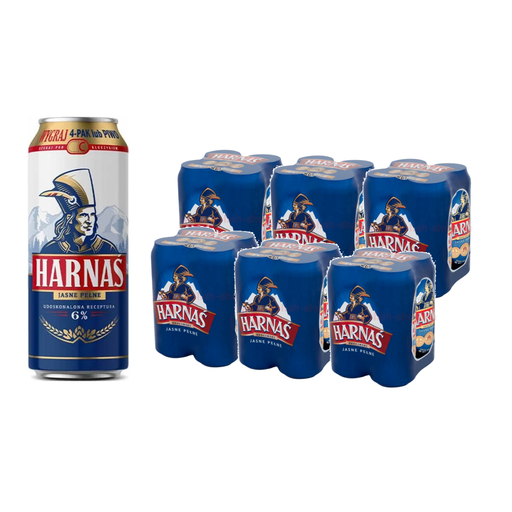
Why it suits this profile: This crate containing 24 packs of 50 cl is aimed at stocking up for parties, hospitality settings or a barbecue. According to the product description, Harnaś has a full malty, grainy flavour with slight bitterness on the finish.
The box contains 12 litres in total. This makes it clear in advance that it is a larger stock purchase, not 24 small tasting packs.
24 × 50 cl, Polish origin according to the product description and a malty flavour profile with mild bitterness.
For a small tasting or dinner, buying speciality beer online in individual bottles or a 6-pack is often more practical. For a party, you could consider buying a crate of beer or a 24-pack. Then take into account the number of guests, the length of the occasion and how many other drinks will be served.
Would you like to compare beers from different countries? Combine Japanese beer with Vietnamese and Polish beer, for example. This allows you to explore differences in malt, hops, carbonation and finish without immediately buying a large stock of the same brand.
We have put together a complete, up-to-date list of products that fully meet these strict selection criteria and the applicable European safety regulations.
First compare the total volume, alcohol content, packaging and ingredients. Then check the allergens and origin. Also see whether the product page refers to a full box, multipack or individual bottle.
Store beer according to the label in a cool, dry place away from direct sunlight. Significant temperature changes can affect product quality. Chill the beer before serving and check that bottles or cans are properly sealed.
That depends on the price per litre, not just the number of packs. Divide the total price by the number of litres and consider how you plan to use it. A 24-pack may make financial sense for a party, but a smaller pack avoids unnecessary stock when you only want to try a few beers.
