
Livraison le jour même et le lendemain

Qualité garantie

Débloquez vos offres de bienvenue: Livraison GRATUITE | Jusqu'à -80 % | 30 jours d'essai gratuits à JoyPlus
Téléchargez l'application
Buying international beer online gives you access to Asian beers, European classics and speciality brews without having to visit several shops. Comparing your options isn’t always straightforward, though. Product titles sometimes focus on the beer’s origin or packaging, while key details such as alcohol content, volume and allergens can be harder to spot.
Use these checks to avoid a disappointing purchase and make a more informed choice between Japanese, Thai, Korean, Polish and Belgian beers.
A 24-pack of beer might seem ideal for a barbecue or party, but check the volume of each can or bottle first. For example, a case of 24 x 330 ml cans contains 7.92 litres. That’s practical for a group, but less suitable if you want to try different flavours or have limited storage space.
A single bottle or smaller pack makes more sense if you want to try a new brand first. Also, check the difference between 320 ml, 330 ml, 500 ml and 50 cl. These sizes can look similar in a product listing, but give you a different total volume per pack.
Japanese beer isn’t automatically dry, Thai beer isn’t necessarily light, and Belgian beer isn’t always strong. Check the beer style, ingredients and alcohol content. A pilsner or lager will generally have a different flavour profile from an IPA, strong ale or speciality beer.
Product descriptions sometimes use terms such as “premium”, “authentic” or “refreshing”. Treat these as brand positioning, not as an objective guarantee of quality. Instead, check the stated details, such as the malt base, hops, alcohol content, bottle or can size, and serving suggestion.
Many beers contain barley, which means they contain gluten. Always check the ingredients list and allergen information. For example, the product details for Tyskie, Cass, Singha and Kirin list barley as an ingredient or allergen.
Check the alcohol content too. It can range from 0.3% for Jopen Non IPA to 8.5% for Delirium Tremens within the same range. Alcohol-free and low-alcohol beer aren’t the same thing. According to the product information, Jopen Non IPA contains 0.3% alcohol; check the current packaging and product page before buying.
Use the alcohol content as your first filter, but consider the style too:
Flavour still depends on the recipe, storage temperature and your personal preferences. Brand descriptions such as “smooth”, “clean” or “refreshing” reflect the retailer’s or producer’s wording, not an independent assessment.
A 330 ml bottle can be handy for an evening at home. For a birthday, barbecue or well-stocked cupboard, a 24-pack of beer can be more convenient. Examples from the range include Cass Fresh Beer 24 x 330 ml, Kirin Ichiban 330 ml x 24 and Chang Beer Classic 5% 24 x 320 ml.
Don’t just compare the price of the case. Also check:
Many international beers contain water, malt, hops and yeast. Some varieties also use rice, maize, wheat or oats. Cass, for example, lists barley, maize, hops and starch; Kirin Ichiban lists barley malt, hops and rice, among other ingredients.
Store beer according to the label: in a cool, dry place away from direct sunlight. Avoid significant temperature fluctuations. When your order arrives, check that the packaging is sealed and refer to the best-before information on the pack. Product information can change, so always refer to the current packaging.
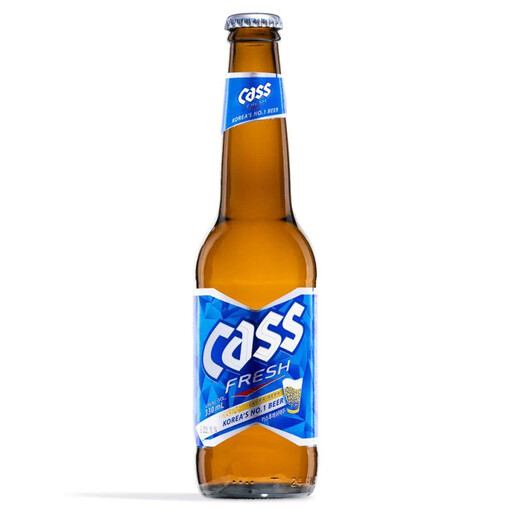
Why it suits this profile: The 330 ml pack is a handy way to try Korean beer without committing to a large case.
The alcohol content of 4.5% and volume of 330 ml are clearly stated, so you don’t have to rely on marketing terms alone.
Korean lager; 330 ml can; described as a light beer in the product information, with barley listed as an allergen.
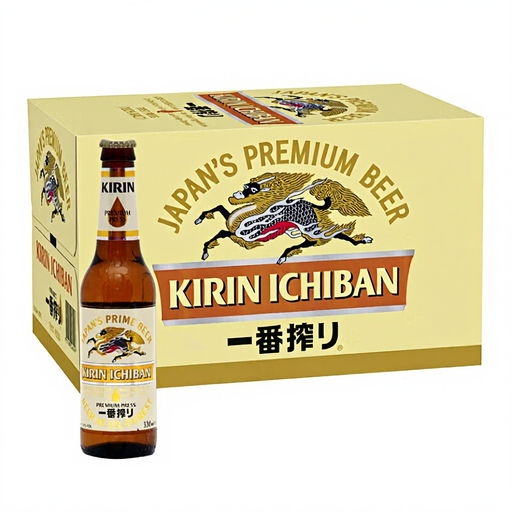
Why it suits this profile: The case of 24 cans is a good choice if you want to order Japanese beer for meals, visitors or to keep in stock.
The set pack size makes the total quantity clear: 24 x 330 ml. The product information lists 5.0% alcohol and barley as an allergen.
Japanese lager; 24 cans; ideal for sharing or keeping in stock.
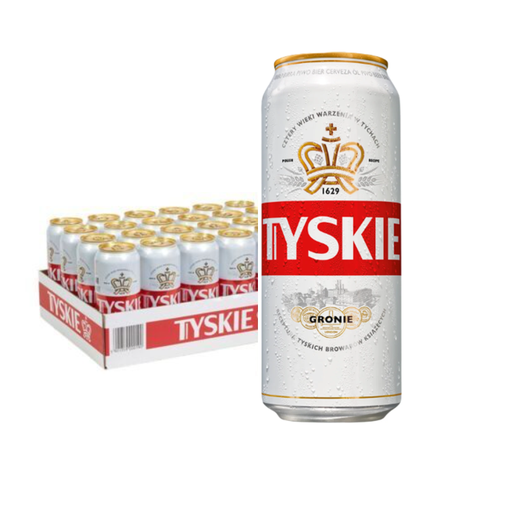
Why it suits this profile: The 50 cl units and case of 24 are a good fit for larger gatherings where a generous serving is welcome.
The product details list 5.6% alcohol and a volume of 50 cl per unit, making it easy to work out the total amount you’ll have in stock.
Polish beer; 24 x 50 cl; ingredients include water, barley malt and hops.
We’ve put together a complete, up-to-date list of products that meet these strict selection criteria and the applicable European safety regulations.
Check the number of units, the volume per can or bottle, the alcohol content and the total volume in litres. Also check whether you’ll receive bottles or cans and whether deposit information is provided. A 24-pack is practical for a party; if you’re trying a new style, a smaller pack is often more convenient.
Pilsner is a specific style of lager, usually with a distinctive hop bitterness and a crisp finish. “Lager” is a broader term for beers fermented with bottom-fermenting yeast at relatively cool temperatures. The exact flavour varies by brand and recipe, so check the product description rather than relying on the style name alone.
Yes, but check the exact percentage. “Alcohol-free” and “low-alcohol” aren’t always used consistently in product titles. Jopen Non IPA lists 0.3% alcohol and, according to the product information, contains barley, wheat and oats. Always read the label and check the latest allergen information before ordering. Alcoholic drinks are intended only for adults who meet the legal minimum age. Drink responsibly and don’t drive after drinking alcohol.
