
Vandaag of morgen in huis

Kwaliteit gegarandeerd

Welkomstaanbiedingen ontgrendelen: GRATIS bezorging | Tot 80% korting | Gratis 30 dagen JoyPlus-proefperiode
Download de app
Buying international beer may seem straightforward, but the range varies considerably in terms of flavour, alcohol content, packaging and origin. An appealing label does not always tell you whether a beer is right for your occasion. If you focus only on the brand name or a discount, you could end up with too much stock, impractical packaging or a beer that does not complement your menu.
This guide helps you choose from Belgian beer, Japanese beer, Thai beer and Vietnamese beer, among others. The selection is suitable for enjoying at home, dinner parties, barbecues, celebrations and, where appropriate, hospitality purchasing. Alcoholic drinks are intended exclusively for people aged 18 and over. Drink responsibly and never drive after drinking alcohol.
A box containing 24 bottles or cans can be practical for a party, but less suitable if you want to try a range of flavours. First check the number of guests, the available refrigeration and whether you want to serve the beer with a meal or on its own.
A higher alcohol content does not automatically mean a fuller or more powerful flavour profile. An international pilsner of around 5% can taste fresh and light, while a strong blonde beer at 8% or a stout at 7.5–8% clearly demands more attention. Always consider both the beer style and the alcohol content.
Beer from Belgium, Japan, Thailand or Vietnam may vary in volume, bottle size and packaging. Check the country information, the number of millilitres per bottle or can and the allergens. The product page and the label on the packaging are the definitive sources, particularly for ingredients, best-before dates and storage.
Use this combination as your first filter:
A brand description may mention flavour characteristics. Treat these as product information provided by the brand, rather than a guaranteed personal taste experience. According to information from the relevant brands, notes of coffee, chocolate, fruit or hops may be present, for example.
A 250 or 330 ml bottle is convenient for individual servings. For parties and barbecues, boxes of 24 are more efficient, but they require sufficient storage space. Compare the total volume, not just the number of bottles. A tray of 24 50 cl cans contains considerably more beer than a box of 24 330 ml bottles.
Also consider the difference between:
Most of the products mentioned contain barley and therefore gluten. Tripel Karmeliet also lists wheat and oats, among other ingredients. Saigon Special and Saigon Export list sulphites. If you have an allergy, always check the current packaging and product information.
Store beer in a cool, dry place, away from direct sunlight and significant temperature fluctuations. Check the best-before information on the label. Product descriptions often recommend a serving temperature of approximately 3–6 °C, depending on the beer style.
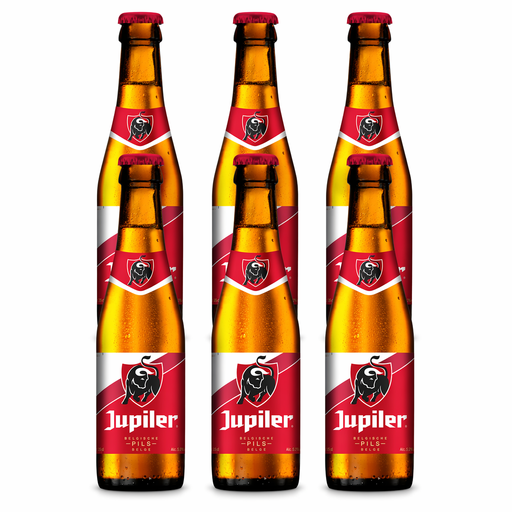
Why it suits this profile: A smaller multipack makes it easy to get acquainted with Belgian beer. The 250 ml bottle size is suitable for individual servings with a meal or drinks.
You do not have to buy a large box straight away. The listed alcohol content is 5.2%, making it easy to compare this product with other pilsners.
Belgian pilsner, 6 bottles of 250 ml and 5.2% alcohol according to the product information.
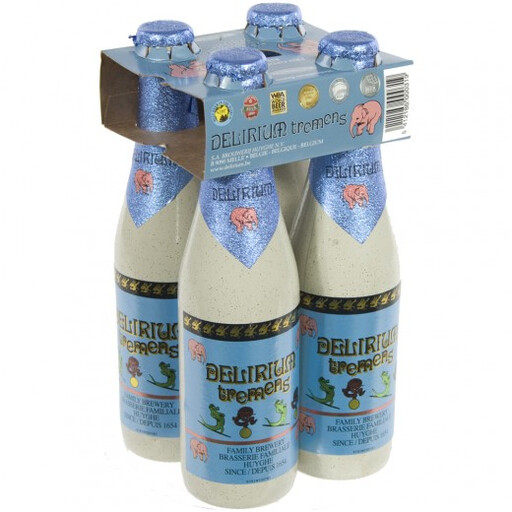
Why it suits this profile: For anyone looking for a Belgian speciality beer with a stronger character and a smaller pack for relaxed tasting.
The alcohol content of 8.5% is clearly stated. This allows you to distinguish the strong blonde ale from a standard pilsner.
Four 330 ml bottles, origin Belgium and a recommended serving temperature of 3–6 °C.
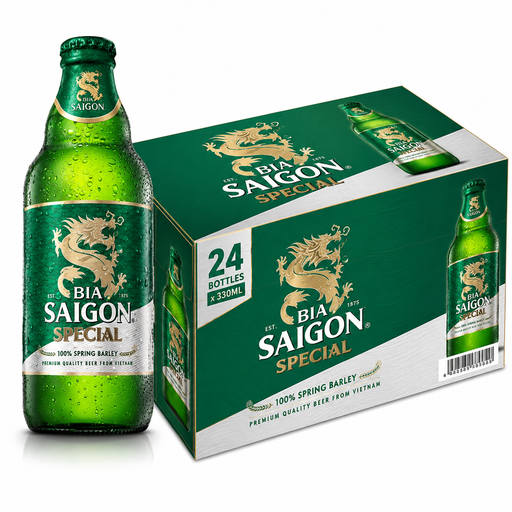
Why it suits this profile: A practical supply for hospitality businesses, large groups, parties and barbecues. According to the product description, this Vietnamese lager pairs well with Asian dishes, grilled meat and seafood.
The box states both the quantity and volume: 24 bottles of 330 ml. The alcohol content is 4.9%, allowing you to plan your supply alongside other lagers.
Vietnamese premium lager, 24 × 330 ml and a serving suggestion of 4–6 °C. The product information lists barley malt and sulphites.
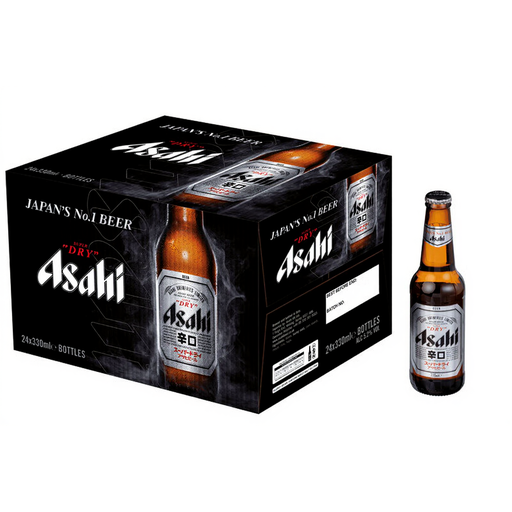
Why it suits this profile: A Japanese lager in a box of 24 for dinner parties, sushi, ramen, snacks or a larger supply at home.
The packaging, volume and alcohol strength are clearly stated: 24 × 330 ml and 5.2% alcohol according to the product details.
Japanese lager, 330 ml per can and ingredients based on water, barley, yeast and hops. Contains gluten from barley.
We have put together a complete, up-to-date list of products that fully meet these strict selection criteria and the applicable European safety regulations.
First compare the beer style, alcohol content, format and origin. For Belgian speciality beers, the bottle volume and higher alcohol content are often important. Japanese, Thai and Vietnamese beers are frequently lagers or pilsners sold in bottles, cans or boxes. Also check the ingredients and allergens on the product page and packaging.
Do not base your calculation solely on the number of guests. Consider the duration of the gathering and any other drinks being served as well. Choose a smaller beer pack if you want to offer variety. For a barbecue or hospitality stock, 24-packs of 330 ml are practical, provided you have enough refrigeration and storage space.
Store bottles and cans in a cool, dry place away from direct sunlight. Avoid significant temperature fluctuations. Before serving, check the best-before information on the packaging and chill the beer according to the brand’s serving suggestion. Pour speciality beer slowly and, if desired, use a suitable glass to assess its colour and head more easily.
