
Vandaag of morgen in huis

Kwaliteit gegarandeerd

Welkomstaanbiedingen ontgrendelen: GRATIS bezorging | Tot 80% korting | Gratis 30 dagen JoyPlus-proefperiode
Download de app
Ordering a crate of international beer seems simple, until you have to choose between an Asian lager, Belgian speciality beer, Japanese beer or an alcohol-free option. Product names such as “premium”, “authentic” and “traditional” don’t always tell you enough about what you’ll receive. So focus on verifiable details such as alcohol content, volume, ingredients, origin and pack size.
This buying guide helps you separate marketing claims from practical product information. That way, you can choose more confidently for home, a barbecue, a party or a meal with Asian food.
A well-known beer brand may be available in different packaging and sizes. A 250 ml bottle, a 330 ml can and a 375 ml bottle aren’t equivalent. Always check the total volume in a beer pack, not just the price per box.
For example, a 24-pack of 330 ml contains 7.92 litres of beer. A pack with six 300 ml bottles contains 1.8 litres. That difference matters when you’re buying beer online for an event or restaurant.
The term premium lager or premium beer doesn’t automatically describe a particular taste, brewing method or alcohol strength. Check the ingredients and product description. Saigon Special, for example, is marketed as a Vietnamese premium lager with 4.9% alcohol and ingredients such as water, 100% barley malt, hops and yeast. Saigon Export also contains rice and has 4.8% alcohol.
According to the product information, these are features of the specific variants; they don’t offer a general quality guarantee for every premium lager.
Check both the product page and the label. Some listings, for example, may show 5% in the product title, while the detailed information gives 5.2%. Asahi Super Dry is listed as 5.2% vol. in the product information, while the product name says 5%.
Also look out for cereals containing gluten, particularly barley malt and wheat. Some beers may also contain sulphites. If the details on a web page and the label don’t match, follow the information on the packaging.
The country of origin can help you get a sense of the style, but it doesn’t tell you everything about the taste. Asian beer includes light lagers, pilsners and wheat-rich varieties. Japanese beers such as Asahi Super Dry and Kirin Ichiban are described in the product information as crisp and clean-tasting. Thai beers such as LEO and Singha are associated with a lightly bitter, refreshing lager style.
Belgian beers vary more widely. According to the product information, a blonde abbey beer such as Affligem Blond has 6.7% alcohol, while a pilsner such as Jupiler is listed at 5.2%. So, as well as checking the country, look at the beer style: pilsner, lager, blonde beer, pale ale, tripel or alcohol-free beer.
Alcohol content is one factor in deciding which beer suits the occasion. Many lagers in the range are around 4.8% to 5.2% vol. Belgian blonde beers and speciality beers can be stronger. Hertog Jan Tripel, for example, is listed at 8.5% vol.
A lower-strength beer may be more practical for a long meal or social gathering. If you’re after a stronger speciality beer, don’t just go by the name: check the exact percentage per 100 ml or per bottle.
A 330 ml beer is a handy single serving. A 24-pack of beer in cans or bottles is suitable for larger groups, but it needs more storage space. Check whether it comes in cans or glass bottles, as this affects weight, chilling and recycling.
Store international beer somewhere cool and dry, out of direct sunlight and away from major temperature changes. Chill bottles before serving. When your order arrives, check the seals and the best-before information on the packaging.
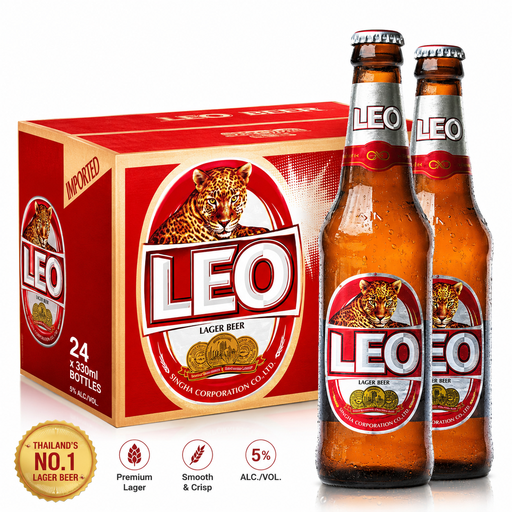
Why it suits this profile: The box contains 24 bottles of 330 ml, making it a practical choice for a barbecue, party or stock cupboard. The product information lists 5% alcohol and a light bitterness.
The number of bottles, pack size and alcohol content are clearly listed, so you can compare the volume in the beer pack with confidence.
24 x 330 ml; Thai lager; according to the product information, it pairs well with spicy Asian food and grilled dishes.
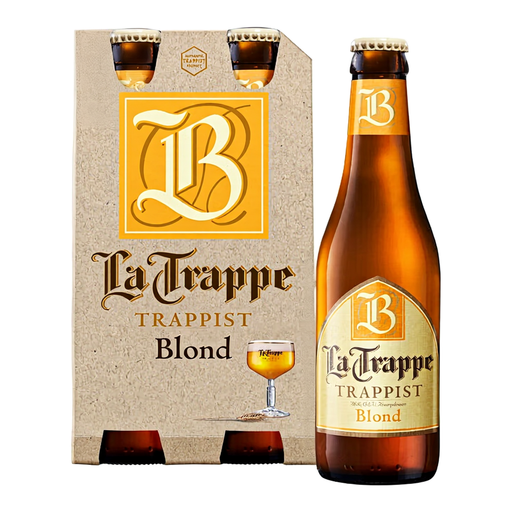
Why it suits this profile: This Dutch blonde beer comes in four 330 ml bottles and, according to the product details, has 6.5% alcohol. It’s a good fit if you’re looking for a fuller-bodied speciality beer.
The alcohol content, bottle size and barley malt ingredient are specified. This makes it easier to compare than relying on the brand name alone.
4 x 330 ml; 6.5% vol.; contains gluten from barley; suitable for a relaxed tasting or meal.
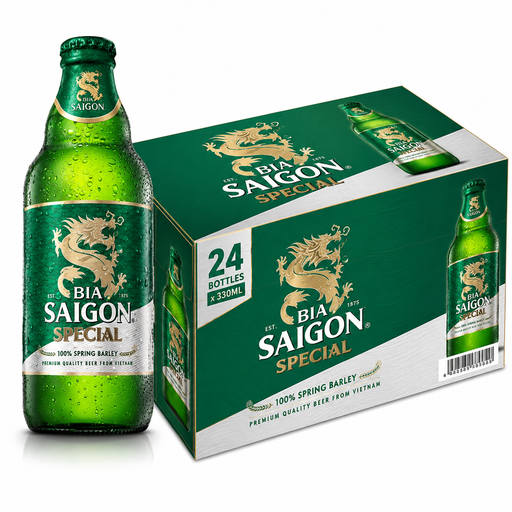
Why it suits this profile: This large pack is ideal for keeping in stock, serving in a restaurant or sharing at a gathering. According to the product information, it contains 24 bottles of 330 ml with 4.9% alcohol.
The origin, volume, alcohol strength and allergen information are listed. The product information mentions barley and sulphites; always check the current label.
24 x 330 ml; Vietnamese lager; according to the product description, it goes well with noodles, seafood, barbecue and spicy dishes.
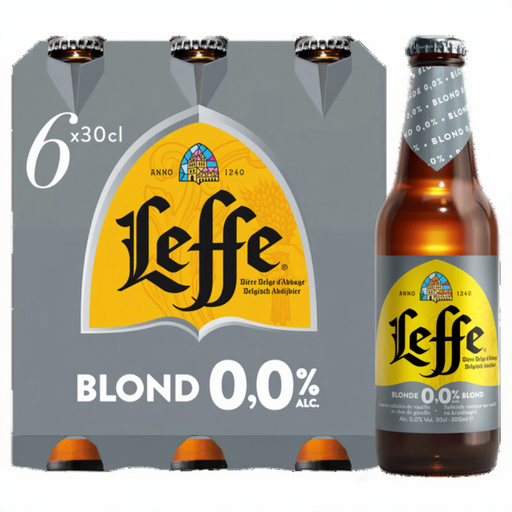
Why it suits this profile: This Belgian alcohol-free option is listed as 0% alcohol and comes in a pack of six 300 ml bottles.
The alcohol content is explicitly listed as 0%. The ingredients and barley allergen are also specified.
0% alcohol; 6 x 300 ml; Belgian abbey beer style according to the product description; contains gluten from barley.
We’ve put together a complete, up-to-date list of products that meet these strict selection criteria and current European safety regulations.
The right pairing depends on how intense the dish is. A crisp pilsner or lager often goes well with grilled meat, fried snacks and lighter meals. According to their product information, LEO, Singha and Saigon are recommended with Thai, Vietnamese and other spicy Asian dishes.
A fuller-bodied blonde beer or speciality beer can pair well with creamy sauces, stronger cheeses or roasted dishes. With alcohol-free beer, it’s especially useful to check the residual sweetness, bitterness and carbonation. This information isn’t always fully available on the product page, so check the label.
330 ml is a common single-serving size and makes it easy to try different varieties. For a party or restaurant, 24-packs are more efficient, but check your available chilling and storage space first.
The best-before information is on the packaging. Store beer somewhere cool and dry, out of direct sunlight. Temperature changes can affect the taste. When your order arrives, always check the best-before date and look for any damage to the bottle or can.
Yes, alcohol-free options are available, such as Leffe Blond 0.0. Check the stated alcohol content, ingredients and allergens. Alcohol-free doesn’t automatically mean gluten-free: in this example, barley is listed as an ingredient and allergen.
