
当日/次日达

品质保障

开启新人专享福利: 全场免邮 | 低至 2 折 | 免费试用 30 天 JoyPlus 会员
下载 Joybuy
Buying international beer sounds simple, until you have to choose between Japanese beer, Thai beer, Vietnamese beer, Korean beer or Dutch speciality beer. An eye-catching label says little about the flavour, packaging or suitability for a party. If you focus only on the country of origin or the word ‘premium’, you could end up with a beer that does not suit the food, occasion or quantity you need.
Beer from Japan is not automatically light or dry, and Thai beer does not necessarily taste the same as another Asian beer. That is why you should look at the beer type, ingredients and alcohol percentage. A pilsner or lager is generally more approachable than an IPA, stout or strong speciality beer.
A box of beer may seem like good value, but first check the number of bottles or cans and the volume per item. A pack of 24 x 330 ml beer contains 7.92 litres. A smaller pack, such as 4 x 330 ml, is more convenient if you want to try a flavour first. When buying beer by the box, storage space is also a practical consideration.
Words such as ‘premium’, ‘authentic’ and ‘refreshing’ are no substitute for verifiable product information. Always check:
When choosing beer containing barley, wheat or other grains, check for gluten. Some products also contain rice, maize, sugar or sulphites. The packaging remains the best source of the most up-to-date information.
The beer type helps you set more realistic expectations:
A dark wheat beer such as Texels Skuumkoppe is described in the product information as full-bodied and creamy, with notes of caramel and apricot. The alcohol percentage is 6,0%. This differs clearly from a light lager of around 4,5 to 5,2%.
The alcohol percentage partly determines how much alcohol you consume per bottle or can. The range includes, for example:
The stated values may vary by market or packaging. Always check the label when your order arrives. Alcohol is intended only for adults aged 18 and over. Do not drink if you still have to drive, and enjoy responsibly.
For a tasting or dinner, a smaller pack is often easier to manage. A 330 ml bottle or can is a standard serving size and makes it easy to compare different styles. For a barbecue, party or hospitality stock, boxes of 24 x 330 ml are more practical.
Consider the material too. Glass may be suitable for serving at the table, while cans are easier to chill and transport. Store beer in a cool, dry place away from direct sunlight. Before use, check that the seal and packaging are undamaged.
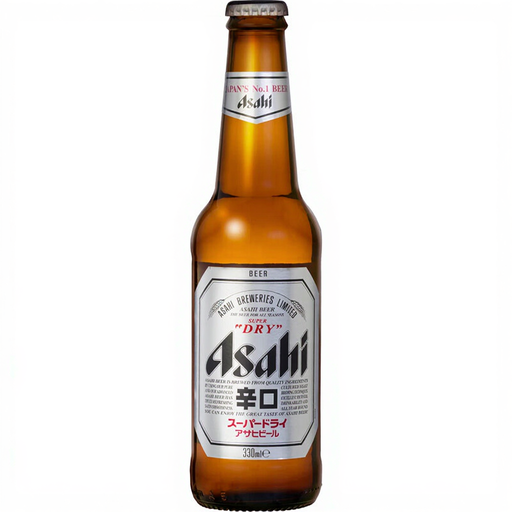
Why it suits this profile: A single 330 ml bottle is ideal for trying Japanese beer first, without immediately buying a large supply.
The volume, ingredients and alcohol percentage are clearly stated, so you do not have to rely on the brand name alone.
330 ml; according to the product information, 5,2% alcohol; ingredients based on water, barley, yeast and hops.
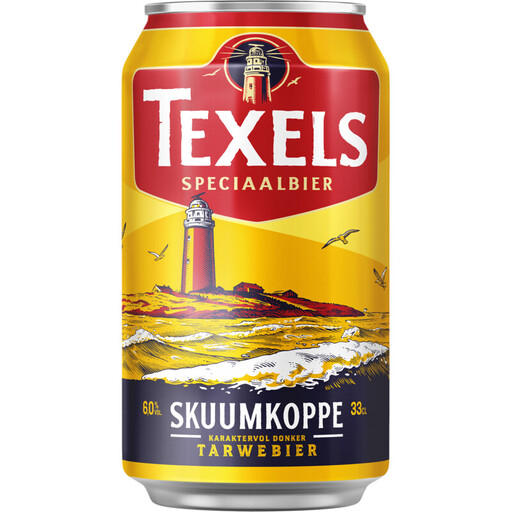
Why it suits this profile: If you are looking for a Dutch speciality beer with more body, this offers a distinctly different profile from a standard lager.
The product information states that it is a dark wheat beer and includes the alcohol percentage and specific flavour notes, rather than relying only on general marketing terms.
330 ml; 6,0% alcohol; listed ingredients include water, barley malt, wheat malt, hops and yeast.
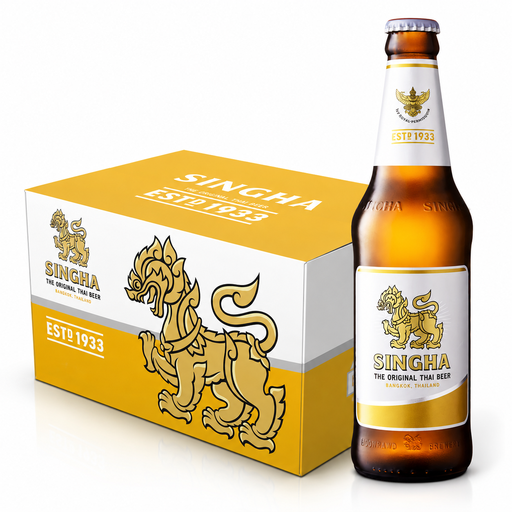
Why it suits this profile: This box is designed for parties, barbecues, Asian meals, hospitality use or keeping a supply for multiple occasions.
The volume is clear in advance: 24 packs of 330 ml. This makes it easier to estimate the total quantity and storage space required.
24 x 330 ml; 5,0% alcohol; pilsner-style beer with barley malt, hops, yeast and water according to the product information.
We have put together a complete, up-to-date list of products that fully meet these strict selection criteria and the applicable European safety regulations.
Light lagers such as Singha, LEO, Saigon Export, Saigon Special or Cass Fresh often pair well with Asian food. These are practical options for spicy dishes, grilled meat, noodles and seafood, as long as the flavour profiles of the food and beer complement each other.
If you are looking for something other than a lager, consider:
When products make a brand claim, pay attention to the wording. A brand’s own research may promote a particular brewing method or level of popularity, but this does not guarantee that every drinker will have the same taste experience. Use the verifiable information as your starting point.
First check the alcohol percentage, beer type, volume, number of items, ingredients and allergens. Then look at the delivery information and best-before date on the packaging. When buying a box of beer, it is sensible to work out in advance how many litres you need and where you can store the pack in a cool place.
That depends on the current price, delivery costs and product. A box of 24 x 330 ml is particularly practical for groups and stocking up. If you are trying a new style, one bottle or a 4-pack often involves less purchasing risk. Compare the price per litre rather than looking only at the price of the box.
A refreshing pilsner or lager, such as Japanese beer, Thai beer, Vietnamese beer or Korean beer, often pairs easily with spicy dishes, rice, noodles and barbecued food. Witbier can work well with lighter dishes, while stout can provide more contrast with rich or smoked flavours. Taste is personal, so if you are unsure, start with a smaller pack.
