
当日/次日达

品质保障

开启新人专享福利: 全场免邮 | 低至 2 折 | 免费试用 30 天 JoyPlus 会员
下载 Joybuy
Buying international beer is becoming easier all the time. From the Netherlands, you can discover lager from Thailand, Japanese beer, Polish beer and speciality beers from breweries around the world. But an eye-catching label or a familiar country of origin doesn’t automatically mean a product will suit your taste, occasion or available storage space.
Focus on information you can check: the alcohol content, the quantity in each pack, the ingredients, allergens and best-before information on the label. That way, you won’t end up buying a large beer pack when all you wanted was to try a new flavour first.
A 24-pack of beer may seem practical for a party or barbecue, but 24 cans or bottles of the same beer aren’t ideal if you haven’t tried it before. Check whether it’s a lager, pilsner, IPA or stout. These styles differ noticeably in bitterness, body and alcohol content.
Lager and pilsner are often crisp and easy to drink. An IPA usually has more pronounced hop character, while a stout can be darker and fuller-bodied. The precise flavour varies by brand, so use the product description as a guide and check the ingredients too.
Japan, Thailand and Poland each have their own beer traditions, but there are many different styles within each country. A 330 ml Japanese lager, for example, is quite different from a strong Belgian speciality beer. Marketing terms such as “authentic” or “premium” don’t always tell you how much hops, malt or alcohol a product contains either.
Brand or retailer descriptions such as “smooth”, “crisp” or “refreshing” can help set expectations. Treat these words as descriptions, not guarantees. Also check the alcohol content and ingredients list.
A 500 ml bottle contains about half as much again as a 330 ml bottle. That’s worth bearing in mind for a dinner, a gift or a gathering. Also check whether you’re buying a can, bottle, multipack or single item. Store beer as directed on the packaging: usually in a cool, dry place away from direct sunlight.
Finally, check for allergens. Many beers contain barley and therefore gluten-containing cereals. If in doubt, follow the ingredients and allergen information on the packaging.
The alcohol content is usually shown as a percentage by volume, for example 4.5%, 5.0%, 5.6%, 6.5% or 7.5%. A higher percentage doesn’t automatically mean the flavour will suit you better. However, it can affect the intensity and the number of standard drinks. Drink responsibly, don’t drink if you’re going to drive, and observe the legal minimum age of 18.
Don’t just compare the price per pack; check the total volume too:
A mixed beer pack can be a more interesting option if you want to compare different styles. Just check that each item contains the same amount.
Many products in this category contain water, malt, hops and yeast. Some varieties also contain rice, maize, glucose syrup, wheat or fruit concentrate. For example, product information for various Japanese beers lists malted barley, hops and yeast, and sometimes rice. Lindemans Kriek lists ingredients including cherry concentrate, malted barley and wheat.
Always check the current packaging. Product information can change, and the packaging is the most useful source for ingredients, allergens, best-before information and storage instructions.
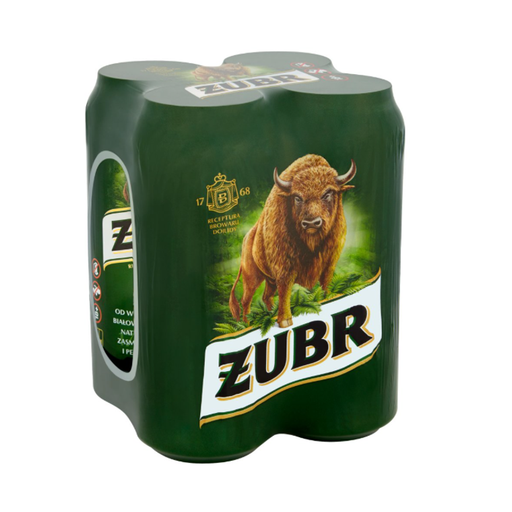
Why it suits this profile: A four-bottle pack is a manageable way to try Polish beer without buying a 24-pack straight away.
The smaller pack makes it easier to manage your first purchase. The product information lists malted barley, barley and hops; check the packaging for the latest allergen information.
Four 500 ml bottles; ingredients and allergens are listed in the product information.
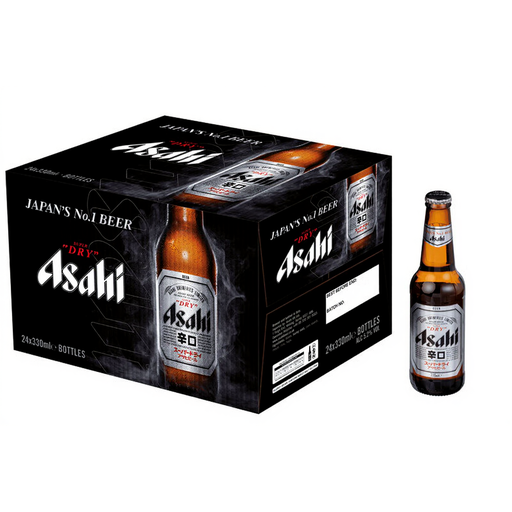
Why it suits this profile: A 24-pack of individual 330 ml servings is ideal for dinners, parties and anyone looking to stock up on Japanese beer.
The pack size is clearly specified: 24 units of 330 ml. The stated alcohol content is 5.2% vol.; check the packaging when it arrives.
24 bottles of 330 ml; ingredients are water, barley, yeast and hops.
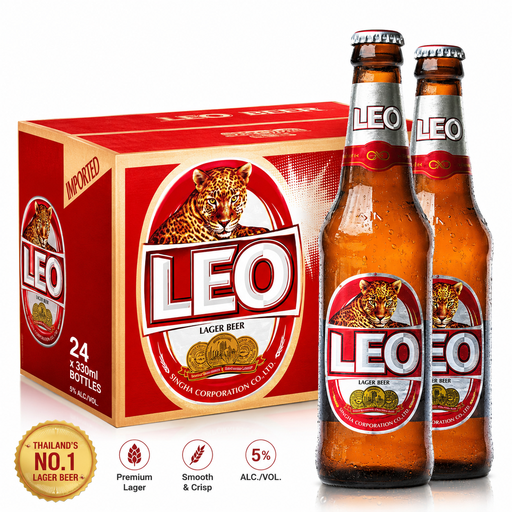
Why it suits this profile: The 24-pack is a practical choice for barbecues, larger groups and meals with Thai or other spicy dishes.
The pack size, bottle volume and 5% alcohol content are clearly stated in advance. This makes it easier to estimate the total quantity.
24 bottles of 330 ml; product information lists water, malted barley, rice and hops.
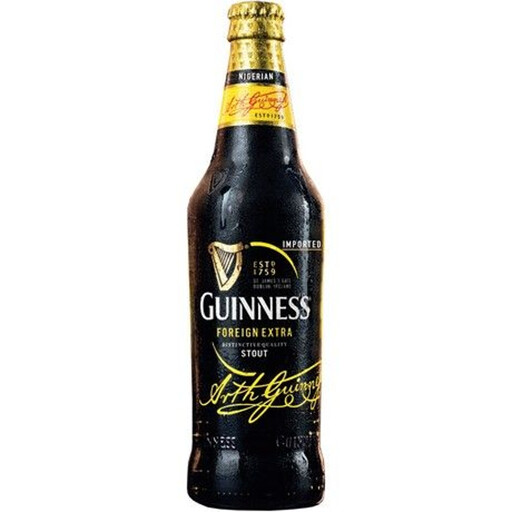
Why it suits this profile: If you’re looking for a stout with a higher alcohol content, the 325 ml size is easy to serve and enjoy at your own pace.
The 7.5% alcohol content and 325 ml bottle size are clearly stated. This helps you avoid mistaking a stronger beer for a standard lager.
Stout style; 7.5% vol.; product information lists roasted barley, malted barley, hops and yeast.
We’ve put together a complete, up-to-date list of products that meet these strict selection criteria and the applicable European safety requirements.
For a meal, choose a 330 ml bottle or can to keep the serving size manageable. A 24-pack is more practical for a party or barbecue, as long as you already know the style. If you’d like to compare beers from different countries, you can combine individual products, such as Japanese beer alongside Thai beer, Polish beer or a Belgian speciality beer.
Also consider how much room you have in your fridge. 500 ml bottles take up more space than 330 ml cans. Store unopened beer in a cool place away from direct sunlight. Before drinking, check the seal, best-before date and allergen information.
You can browse and compare different types of international beer online by country, style, volume, alcohol content and pack size. The range includes Asian beer, Japanese beer, Thai beer and Polish beer.
That depends on the current price, delivery costs and total volume. Compare the price per 100 ml or per bottle. A large pack is most practical when you already know the flavour or need beer for a gathering.
The best-before information is shown on the packaging. Store beer as directed by the producer, usually in a cool, dry place away from direct sunlight. Its flavour and quality can change over time, even if it’s still within the date shown.
