
Same-day & Next-day Delivery

Quality Guaranteed

Unlock Your Welcome Offers: FREE Delivery | Up to 80% OFF | Free 30-day JoyPlus trial
Download the APP
A shelf full of international beer can be both a dream and a nightmare. The labels promise a journey to distant lands, from a crisp Japanese beer to a complex Belgian specialty beer. But the reality can sometimes be less rosy. You buy a six-pack hoping to relive a holiday memory, only to end up with a disappointing taste and a lighter wallet.
As a Joybuy Product Recommendation Officer, I see where things go wrong every day. Before you decide to order specialty beer online, it's wise to know the most common pitfalls.
world beers are brewed under license in Europe. The ingredients, such as the water and sometimes even the hops, differ from those in the country of origin. The result is a beer that carries the name, but not the soul.Asian beer because you enjoyed it with a spicy curry in Thailand. At home, it turns out to be a heavy, dark variant that doesn't pair at all with your home-cooked meal. The beer type is more important than the country on the label.buying foreign beer.To ensure you make the right choice, there are a few objective specifications you should always check. This will help you look past the marketing and find a beer that truly suits your taste.
A brand might be Japanese, but that doesn't mean the beer was brewed in Japan. Always check the label for the actual brewery location. This has a direct impact on the taste. Water is a key ingredient, and the minerals in local water help define the beer's character. A Thai beer brewed with European water simply tastes different. This isn't a value judgement, but it is a crucial fact for anyone seeking an authentic flavour experience.
About to buy foreign beer? Ignore the flag on the bottle for a moment and focus on the beer type. The main categories are:
Belgian specialty beer like Tripel Karmeliet is a classic example. These are beers meant to be savoured slowly.The Alcohol by Volume (ABV) is a good indicator of a beer's body and intensity. A 4.5% lager is a sessionable, easy-drinking beer, whereas an 8% tripel or a 7.5% stout is a beer to be savoured. In addition, always compare the volume (in ml) and calculate the price per litre. This prevents you from overpaying for a small bottle.
To get you started, we've selected a few beers that cater to different preferences and occasions.
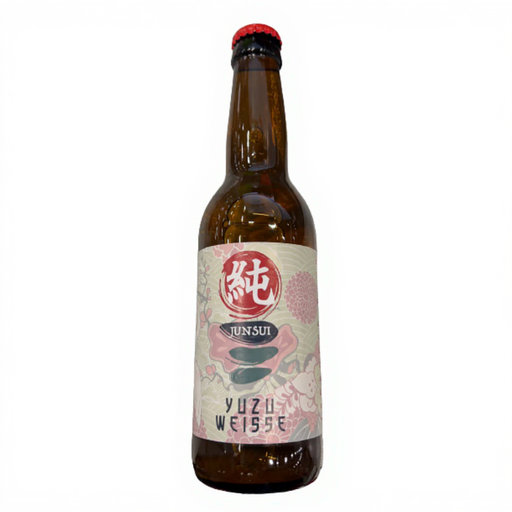
Why This Fits Their Persona: Perfect for those who love to experiment. This beer combines the familiar creaminess of a German wheat beer with the fresh, citrusy flavour of Japanese yuzu. An excellent choice for fish dishes, salads, or light Asian meals.
This avoids a flavour mismatch. The product name and description are very specific about its unique profile (Weisse with yuzu), so you know exactly what kind of special taste to expect.
Unique combination of wheat beer and citrus. Refreshing and light with an ABV of 4.5%.
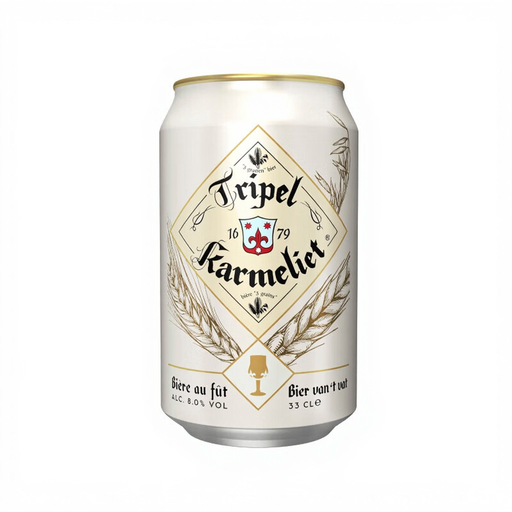
Why This Fits Their Persona: For the drinker who values quality and tradition. This renowned Belgian specialty beer offers a complex, refined taste from its use of three grains. A beer to be savoured slowly.
This is the opposite of the "authenticity illusion." Its origin, brewing process (3-grain), and bottle refermentation are clearly defined, guaranteeing authentic quality.
Complex and rich flavour profile (vanilla, citrus, creamy). Brewed according to an authentic recipe with barley, wheat, and oats.
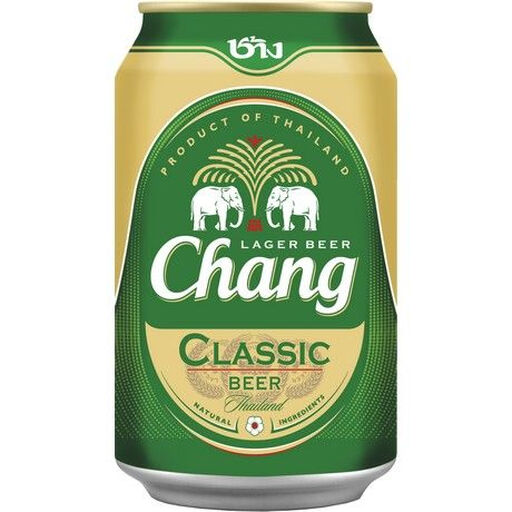
Why This Fits Their Persona: An approachable and refreshing choice for social occasions. This classic Thai lager is crisp, easy-drinking, and an excellent partner for a BBQ, snack platter, or spicy dishes.
This is an uncomplicated lager. It doesn't pretend to be anything else. You get exactly what you expect: a crisp, thirst-quenching pilsner. No risk of mismatched flavour expectations.
Crisp and clean in taste. A versatile choice that pairs well with a wide range of dishes and snacks.
Most beers, especially specialty beers, are best stored upright in a cool, dark place, like a cellar or a cool pantry. Storing them upright keeps any sediment (yeast) at the bottom and minimises contact with the air under the cap. Avoid large temperature fluctuations and direct sunlight, as these are detrimental to the flavour.
While you can't generalise, many popular beers from Thailand, such as Singha and Chang, are light, refreshing lagers. They are often specially developed to complement the region's heat and spicy food. Japan also has well-known lagers like Sapporo and Kirin, but it also boasts a growing craft brewery scene that experiments with unique styles and ingredients, such as the Junsui Yuzu Weisse.
Absolutely. While pre-made sampler packs exist, it's often more fun and educational to create your own selection. By choosing individual bottles of different beer types from various countries—such as a Korean lager, a Belgian tripel, and an Irish stout—you can host your own tasting and discover which flavours best suit your palate.
