
Vandaag of morgen in huis

Kwaliteit gegarandeerd

Welkomstaanbiedingen ontgrendelen: GRATIS bezorging | Tot 80% korting | Gratis 30 dagen JoyPlus-proefperiode
Download de app
Looking to buy international beer for home, a dinner party or a barbecue? You will quickly come across terms such as premium lager, authentic world beer and traditional pilsner. These descriptions do not always tell you enough about what you will actually receive. Origin, alcohol content, packaging and shelf life often matter more than the marketing copy.
This guide helps you compare imported beer objectively. It covers practical points to consider, along with several popular options from the range, including Asian beer, Japanese beer, Thai beer, Vietnamese beer, Belgian beer and Polish beer.
A premium lager may have a refined presentation, but that does not mean you are getting a full-bodied or complex beer. Always check the beer style, ingredients and alcohol content. A pilsner of around 5% ABV may be light and refreshing, while a Belgian abbey beer at 6.6% or 8.5% ABV is noticeably fuller and stronger.
A case or box of 24 bottles of beer is convenient for parties, but less suitable if you want to try an unfamiliar brand first. Check the price per bottle or per 100 ml, and confirm whether the pack contains bottles or cans. A pack of 24 x 330 ml contains 7.92 litres; 24 cans of 500 ml add up to 12 litres.
A brand name may sound international, while the importer or distributor is based in the Netherlands. Check the product page and packaging for the country of origin, producer, ingredients, allergens and shelf-life information. Claims about taste or popularity are not an objective guarantee. Present them as brand or product information—for example: according to the brand’s product description, a beer is described as refreshing, malty or lightly bitter.
The style provides an initial indication of what to expect:
Also check the bitterness level when available. Coedo Ruri Pils, for example, is listed with an IBU of 19, indicating a moderate level of bitterness.
Compare the alcohol content of each product, not just the brand. The range includes:
A 330 ml bottle is a practical serving for a dinner or tasting session. For a party, beer by the case or buying a beer pack in a larger format can be more convenient from a logistical perspective. Drink responsibly, never drink if you still need to drive, and keep alcohol out of the reach of minors. Alcoholic beverages are intended exclusively for people aged 18 and over.
Most of the beers mentioned contain barley or barley malt and are therefore relevant to people who need to avoid gluten. Always check the current label. Saigon Export also lists sulphites; Singha and Kirin list barley as an allergen.
Check the following before purchasing:
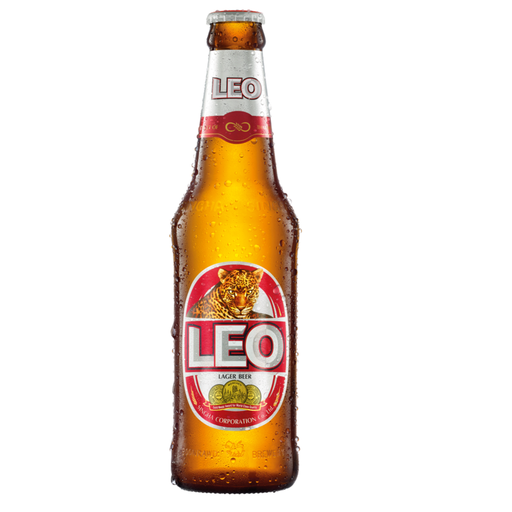
Why it fits: An approachable bottle size for anyone who wants to try Thai beer without immediately ordering a large box.
The volume, alcohol content and ingredients are clearly stated. You therefore do not have to rely solely on the term premium.
330 ml per bottle, 5.0% ABV and, according to the product information, a good match for spicy dishes, grilled meat and seafood.
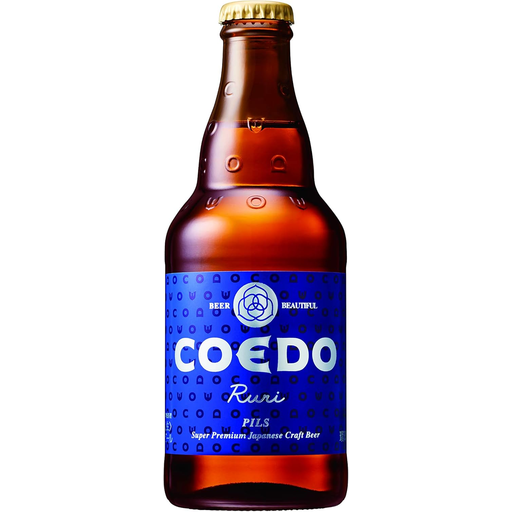
Why it fits: For anyone looking for Japanese beer with a defined pilsner profile and a more refined presentation.
The product information specifies the origin, brewery, style, IBU 19 and alcohol content. This allows you to make a focused comparison.
Brewed in Saitama Prefecture, 333 ml and 5.0% ABV, with a floral aroma and moderate bitterness according to the product description.
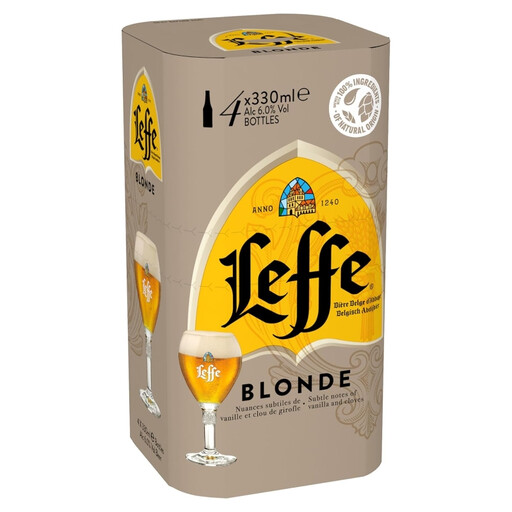
Why it fits: A Belgian beer for dinners where a maltier, spicier profile is preferred.
The pack contains 4 bottles of 500 ml, not 24 small bottles. The higher alcohol content of 6.6% ABV is clearly stated.
According to the product information, notes of vanilla and clove pair well with abbey cheese, scallops and desserts.
For a first introduction, a 4-pack or 6-pack is easy to manage. You can serve different styles side by side without building up a large stock. For a birthday, barbecue or restaurant supply, a case of 24 x 330 ml is more practical. With bottles, also consider storage space, refrigeration and the safe disposal of glass.
If you want to compare beers from several countries, you can buy a mixed beer pack featuring different styles. Check in advance that the contents are genuinely mixed and confirm which brands, volumes and alcohol percentages are included. For a consistent flavour profile, cases such as Singha, Kirin Ichiban, LEO, Saigon Special or Asahi Super Dry are more suitable.
Browse a current selection of premium lagers and compare origin, volume, alcohol content and packaging before placing your order.
At a minimum, check origin, beer style, alcohol content, net volume, number of units, ingredients, allergens and shelf life. Also compare the price per bottle or per litre. Product information may vary between pack sizes, so always check the specific product page.
That depends on the price, volume and any delivery costs. Divide the total price by the number of bottles or by the total number of litres. A box of 24 bottles of 330 ml is not automatically cheaper than a 4-pack of 500 ml if the price per litre is higher.
Store beer in a cool, dry place away from direct sunlight and significant temperature fluctuations. Chill it before serving in accordance with the advice on the packaging. When your order arrives, check that the bottles and closures are undamaged, and consult the label for the current best-before date.
