
Vandaag of morgen in huis

Kwaliteit gegarandeerd

Welkomstaanbiedingen ontgrendelen: GRATIS bezorging | Tot 80% korting | Gratis 30 dagen JoyPlus-proefperiode
Download de app
In many regions, regulations now require a smoke detector on every floor of a residence. This is a logical step for fire safety, but it also raises questions. Which smoke detector is right for your situation? And what exactly is the advantage of an interlinked system? If you have a multi-story home, you need to ensure an alarm in the attic can also be heard in the living room. An interlinked smoke detector is the solution.
As a Joybuy Product Recommendation Officer, I'm here to help you cut through the technical specifications and marketing jargon. In this article, I'll explain what to look for and provide concrete recommendations, enabling you to make an informed choice for a safer home.
The right smoke detector depends on your living situation and personal preferences. Here are three key points to consider.
Interlinked smoke detectors work as a single system: when one sounds, all other detectors in the network also go into alarm. This is ideal for a whole-home fire alarm. Most modern systems are wireless interlinked smoke detectors. They communicate via radio frequency and are easy to install without any invasive wiring or construction. Simply mount them to the ceiling, link them with a few button presses, and the system is active.
No one wants a smoke detector that starts chirping in the middle of the night because of a low battery. A smoke detector with a 10-year battery solves this problem. These models feature a built-in lithium battery that lasts for the detector's entire operational life. After ten years, you simply replace the entire unit. This means a decade of no-hassle battery changes and constant, reliable protection.
Safety is paramount. Therefore, always look for the EN14604 certification. This is a European standard that sets requirements for the performance, reliability, and durability of smoke detectors. An EN14604 smoke detector meets strict quality criteria, giving you peace of mind that the device will function when it matters most. All products recommended in this article comply with this standard.
Based on product specifications and functionality, we have selected several options that effectively meet the need for a reliable and interlinked fire alarm system.
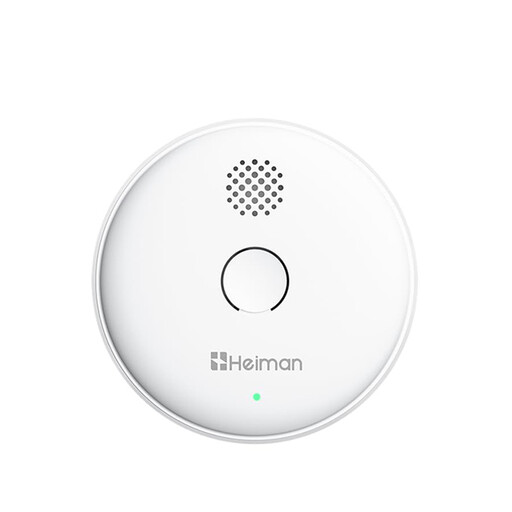
Why It Stands Out: This Heiman smoke detector is designed to form a network. You can wirelessly connect up to 40 of these units. If the detector on the landing detects smoke, the alarms in the basement and attic will also sound. This ensures rapid alerts throughout the entire house.
Specifications:
Who Is This For? Anyone looking to build a flexible and expandable system. You can start with one or two detectors and easily expand the network later as needed.

Why It Stands Out: This model is a standalone smoke detector but offers the same reliable core features. It's a solid choice for spaces where a single detector is sufficient, such as a garage, shed, or a small, single-story apartment.
Specifications:
Who Is This For? Ideal for those seeking a reliable, low-maintenance smoke detector for a specific, isolated area and who do not require an interlinked system.
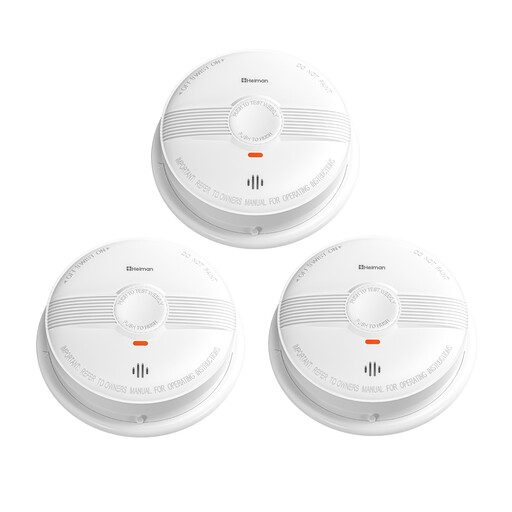
Why It Stands Out: This smoke detector set is the most practical starting point for securing an average family home. With three wirelessly interlinked detectors, you can immediately equip every floor with an alarm. This is often more cost-effective and convenient than purchasing detectors individually.
Specifications:
Who Is This For? For homeowners and landlords who want an all-in-one, compliant fire safety solution for a multi-story residence.
A safe home is a top priority. Besides fire safety, are you also looking for tools for other jobs in and around the house? Discover our range of die-cutting tools and other handy equipment.
1. Are smoke detectors mandatory? Yes, in many countries and regions, smoke detectors are required by law. For example, in the Netherlands, it has been mandatory since July 1, 2022, to have a smoke detector on every floor of a residence. This applies to both owned and rental properties. Detectors are also required in spaces that are part of an escape route, such as a hallway or landing.
2. How many interlinked smoke detectors do I need? The rule of thumb is at least one smoke detector per floor. For optimal safety, place detectors near bedrooms and along the escape route (the hall or landing). Therefore, in a house with a ground floor, first floor, and an attic, you will need a minimum of three smoke detectors. An interlinked system ensures you will hear the alarm clearly everywhere.
3. What is the advantage of a smoke detector with a 10-year battery? The main advantages are convenience and reliability. You don't have to replace batteries annually and won't risk the detector failing because the battery has died unnoticed. The sealed battery guarantees continuous operation for the entire lifespan of the smoke detector, which is typically ten years.
