
Vandaag of morgen in huis

Kwaliteit gegarandeerd

Welkomstaanbiedingen ontgrendelen: GRATIS bezorging | Tot 80% korting | Gratis 30 dagen JoyPlus-proefperiode
Download de app
Buying a toy seems simple until you discover that it breaks after a few days, turns out to be too small or barely sparks any interest. When it comes to interactive toys for dogs and cats, it is not just the colour and shape that matter. The material, dimensions, type of play and the way you supervise your pet all determine whether a purchase is genuinely suitable.
Many dog toys and cat toys are advertised as dental-care toys. A ridged surface, rope or chew texture may come into contact with teeth and gums during play. That does not automatically mean the product removes plaque or replaces veterinary treatment.
So focus particularly on the material, texture and replacement instructions. Use a toy as part of your pet’s daily care, not as a medical solution.
A product that looks sturdy may still be unsuitable for a dog that bites pieces off. Rope, plush, plastic parts and glued-on decorations in particular require regular checks. For cats, feathers, stuffing and loose fibres can pose a risk if swallowed.
Look out for warnings such as not suitable for aggressive chewers. Stop using the toy immediately if the core becomes exposed, a rope starts to fray or a component comes loose.
A ball suitable for a medium-sized dog may be too large or heavy for a small dog. Conversely, small toys can be swallowed or chewed apart more quickly by a larger dog. Always check the dimensions and the recommended animal before ordering.
For toys for small dogs, weight, diameter and room to move are important. With toys for medium-sized dogs, you should also consider the strength of the core and how the toy is intended to be used.
Look beyond words such as “strong” or “safe”. Check the following details:
A dog chew toy made from nylon may respond differently to teeth than a cotton rope ball. A plush product may feel comfortable, but it requires more frequent checks for tears and loose fibres.
Interactive toys work in different ways:
A dog that quickly loses interest in a simple toy may benefit more from an intelligence toy for dogs with hidden rewards. A cat that mainly enjoys hunting may respond better to movement, feathers or a lightweight ball than to a chew toy.
Check toys before and after use. Washable parts must be completely dry before you give them to your pet again. With treat toys, it is sensible to remove crumbs so that food residues do not remain inside.
Products with electronics, such as an automatic bouncing ball, require extra care: charge the device out of your pet’s reach and keep the cable away during play. Supervision is still necessary, even when a product is designed for independent play.
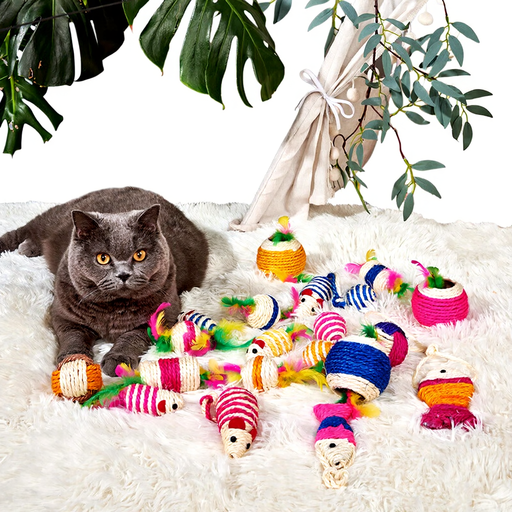
Why it suits this profile: A set of four lightweight balls gives cats variety for rolling, batting and chasing, without requiring you to invest in a large interactive device straight away.
The product description clearly states that feathers may come loose and sisal may fray. This makes it clear when replacement is needed.
Four toys in one pack; a combination of feathers and sisal rope.

Why it suits this profile: According to the product information, the ball is designed for medium-sized dogs and has two play modes, a replaceable plush cover and a rechargeable USB-C battery.
The size is not suitable for every dog: this version is specifically intended for medium-sized dogs. The warning excludes aggressive chewers.
Two interactive modes; replaceable cover and USB-C charging.
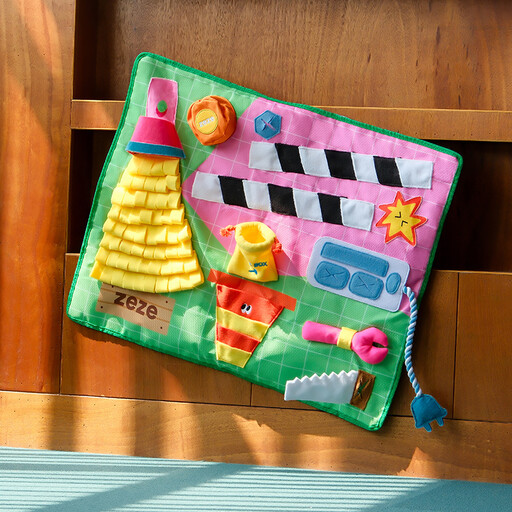
Why it suits this profile: Measuring 70 × 57 cm, this mat is designed for search-based play. You hide dry kibble or treats in compartments, folds and different textures.
The instructions make it clear that supervision is required and that the mat is not suitable for dogs that swallow fabric or plastic.
Multiple hiding places; designed for scent searching and controlled treat time.
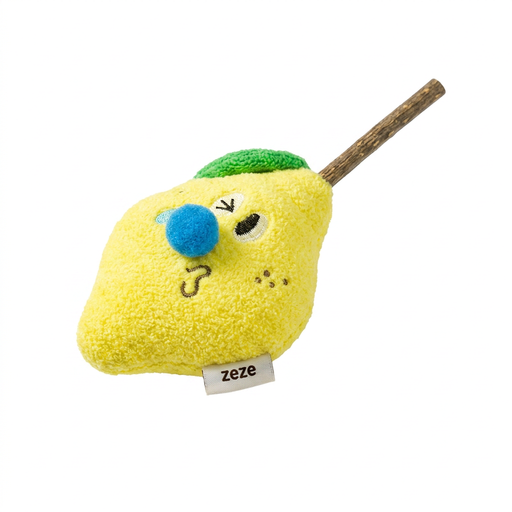
Why it suits this profile: According to the product description, the lemon shape combines silvervine, catnip and crinkle paper to provide scent, chewing and sound stimulation.
The instructions recommend supervision during first use and replacement if the outer layer tears or the stuffing becomes visible.
Silvervine, catnip and crinkle paper; compact size of approximately 9 × 10 cm.
Rotate toys rather than making everything available at once. Start by hiding a treat toy in an easy-to-find spot, then make the search more challenging over time. Only use a cat teaser when you are playing with your cat, and put it away afterwards, especially if it has a cord or feathers attached.
A rope ball for dogs and cats is suitable for tugging, rolling or fetching, but do not let your pet chew on fraying fibres unsupervised. Compact toys are practical for smaller homes; a snuffle mat, on the other hand, requires enough clear floor space.
We have compiled a complete, up-to-date list of products that fully meet these strict selection criteria and the applicable European safety regulations.
Choose a product with an adjustable level of difficulty, such as a treat ball, food dispenser or snuffle mat. Start with easy-to-find rewards and gradually increase the challenge. Supervise your dog and only use treats that fit within its daily diet.
Lifespan depends on your pet’s playing style, the material and how frequently the toy is used. A calm cat may enjoy a plush toy for months, while a powerful chewer can damage a rope or plastic product more quickly. Check the toy regularly and replace it if you notice tears, fraying, loose parts or an exposed core.
Not every cat reacts in the same way to catnip or silvervine. These ingredients are used in product descriptions to attract interest, but each animal’s response is different. Introduce the toy for a short time, observe your cat and remove it if the outer layer becomes damaged or the stuffing becomes visible.
