
Vandaag of morgen in huis

Kwaliteit gegarandeerd

Welkomstaanbiedingen ontgrendelen: GRATIS bezorging | Tot 80% korting | Gratis 30 dagen JoyPlus-proefperiode
Download de app
Buying a toy might seem straightforward, but not every product suits every pet. A large dog can quickly damage a small toy, while a cat may lose interest in something without scent, sound or movement. Marketing terms like “durable”, “dental” and “intelligent” only mean something once you’ve checked the materials, dimensions and usage instructions.
Pay particular attention to these three common pitfalls:
First, check which species and body size the toy is intended for. An interactive ball measuring 15 cm may be suitable for various dog breeds, but the size still needs to match your dog’s mouth and play style. The Petgravity Smart Bouncing Ball, for example, is specifically available for smaller and medium-sized dogs.
For cats, lightweight balls, a catnip toy or a silvervine cat toy are usually easier to handle. Also look at loose parts such as feathers, strings, stuffing and crinkle paper. These must not be reachable if your cat bites the toy open.
For dog chew toys, nylon, rubber, cotton cord and wood-fibre composites are commonly used materials. Don’t just look at the term “chew-resistant”, but also at warnings. The product information for the Petgravity balls, for instance, states they are not suitable for aggressive chewers.
A product with a woven outer layer can be great for fetch, but you should check for fraying regularly. The same applies to a rope ball for dogs and cats: stop using it as soon as the rope becomes significantly loose. A toy is not a food product; swallowed pieces can pose risks.
Choose the toy based on its purpose:
According to brands’ own product information, some dog toys are designed to make contact with tooth surfaces during chewing. Treat this as a product feature, not a replacement for regular dental care. If you’re unsure about your pet’s teeth or swallowing habits, it’s wise to consult a vet.
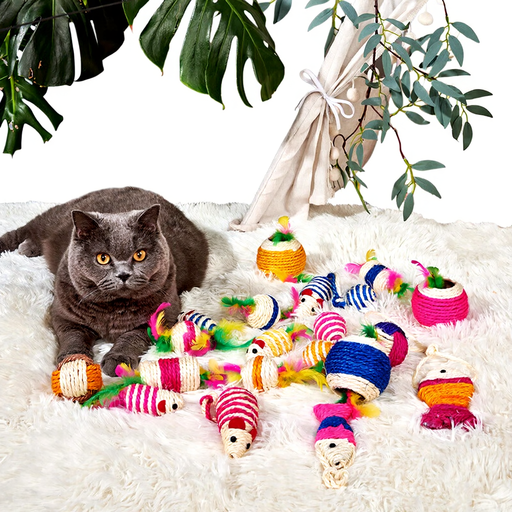
Why this fits the profile: A set of four lightweight balls gives cats variety without buying an electronic toy straight away. Rolling, batting and chasing can work in both a flat and a larger home.
The set is intended for adult cats and contains no moving electronics. Check the feathers and sisal regularly, and replace a ball when parts come loose.
Four colourful balls; combination of feathers and durable sisal cord; suitable for rolling and chasing.

Why this fits the profile: For owners who care about material, filling options and play variety. The shape is designed for rolling and bouncing for small to medium dogs up to around 15 kg.
Suitability is linked to a clear weight range. Only fill the toy with suitable treats and supervise during first use.
Natural rubber; unpredictable rolling and bouncing; suitable for kibble or xylitol-free peanut butter; clean with warm water.
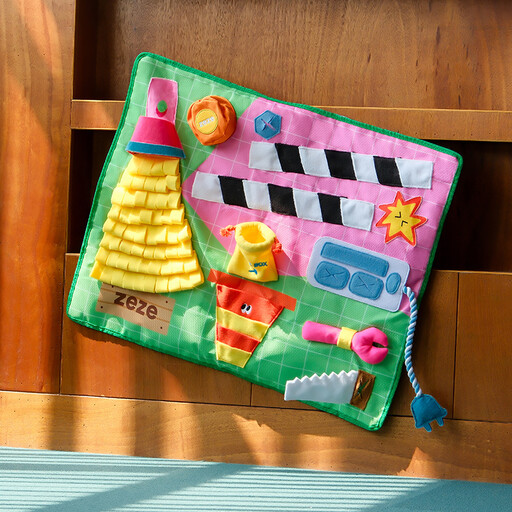
Why this fits the profile: This snuffle mat for dogs is designed for owners who want to add food searching, sniffing and daily variety. The dimensions are 70 × 57 cm.
The product works without batteries or a moving motor. Only use dry, suitable treats and remove the mat if excessive pulling or chewing occurs.
Multiple pockets and textures; encourages food-searching behaviour; stains can be spot-cleaned; do not submerge in water.
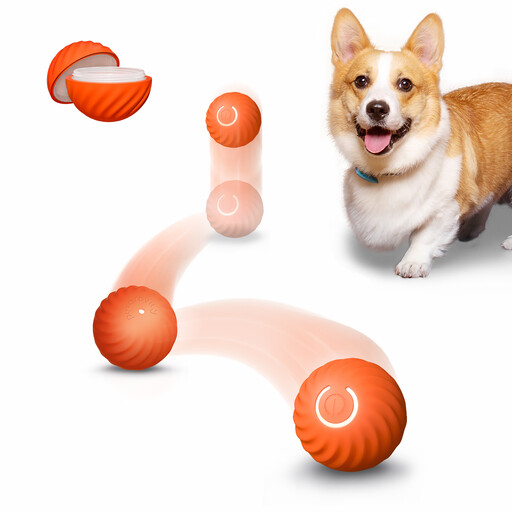
Why this fits the profile: The ball is designed for smaller dogs that respond to movement and chasing. Two play modes and a rechargeable USB-C battery allow for variety indoors.
The product description explicitly mentions smaller dogs and warns against use by aggressive chewers. Supervise play and keep the charging cable out of reach.
Unpredictable bouncing movements; replaceable plush cover; two play modes; USB-C charging.
Durable pet toys aren’t just about the material. Use and maintenance make a big difference:
A zeze Bamboo Chew Toy uses, according to the product description, a nylon and wood-fibre body with a decorative fabric finish. The product measures 12 × 5.5 × 2.5 cm without leaves and 22 × 5.5 × 2.5 cm with leaves. It is intended for dogs, but supervision remains essential. For cats that enjoy chewing, there are options including the ZEZE Green Apple Silvervine Toy and the ZEZE Lemon Silvervine Cat Toy. According to the brands’ own product information, these toys contain silvervine and catnip; always check whether your cat responds to them.
We’ve put together a full, up-to-date list of products that fully meet these strict selection criteria and comply with current European safety regulations.
Alternate between sniffing, fetch, chewing and movement. A snuffle mat can support food-searching behaviour, while a bouncing ball or fetch toy demands more physical activity. Always choose a size that fits your dog and supervise play.
There’s no fixed timeframe. Replace the product as soon as you see tears, fraying, loose feathers, exposed stuffing or deep chew marks. A toy that still looks good after months may last longer than one that gets damaged after a few play sessions.
Not always. Electronic products need to be charged and require checking the battery, switch and charging cable. A chew toy, rope ball, catnip toy or snuffle mat uses no power, but does need regular cleaning and checking for wear and tear.
