
Vandaag of morgen in huis

Kwaliteit gegarandeerd

Welkomstaanbiedingen ontgrendelen: GRATIS bezorging | Tot 80% korting | Gratis 30 dagen JoyPlus-proefperiode
Download de app
Searching for the perfect gift for a child? The sheer volume of toys can be overwhelming. It's not always easy to determine which toys genuinely contribute to development while remaining fun. As a Joybuy Product Recommendation Officer, I'm here to guide you with objective information so you can make a choice that's right for the child.
In this article, we'll explore what interactive toys are, what to look for when buying one, and highlight some popular options for toddlers and preschoolers.
Before we dive into the products, here are a few practical tips to help you choose. A great developmental toy connects with a child's world and experiences.
The age recommendation on the packaging is a crucial starting point. A toy that's too complex can cause frustration, while one that's too simple quickly leads to boredom. Consider the skills the toy is designed to encourage. Learning toys for toddlers often focus on basic skills like recognising colours and shapes, while toys for preschoolers might be more geared towards role-playing or simple problem-solving.
Educational toys are most effective when a child doesn't even realise they're learning. Toys with sounds and lights can capture attention and stimulate the senses. However, check if the volume is adjustable and if the sounds serve a purpose. A good balance ensures the toy remains challenging and engaging, without feeling like a chore.
Always check that the toy complies with European safety standards, identifiable by the CE marking. Be mindful of small parts in toys for children under three due to choking hazards. The choice of material, such as sturdy and drop-resistant plastic, contributes to the product's longevity.
Below is a selection of products that are popular with parents and family members. We've listed their specifications and features to help you compare.
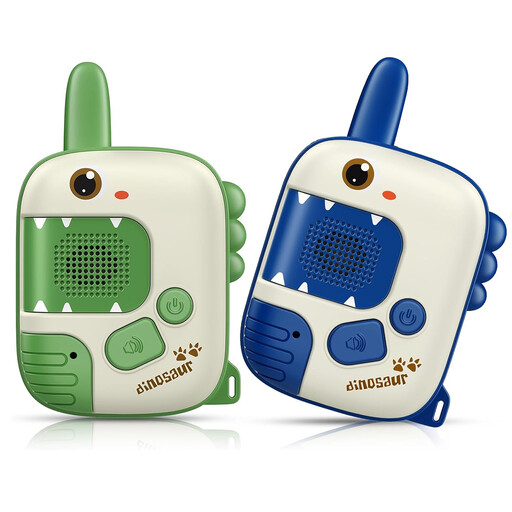
Why It Stands Out This set combines the classic walkie-talkie with a cool dinosaur design, sparking children's imagination. The controls are intentionally simple: just turn them on and talk. This makes them immediately usable for young children without any complicated setup.
Key Features
Who Is It For? This is a fun gift for children from 3 years old who love to go on adventures together. It encourages communication, teamwork, and role-playing, both indoors and out.

Why It Stands Out This toy phone from Fisher-Price is designed for the very youngest children. It mimics a smartphone, something young kids often see adults using. Pressing, swiping, and sliding activate lights, songs, and educational content.
Key Features
Who Is It For? Ideal as a first introduction to learning toys for toddlers from around 9 months to 3 years. It's a compact toy that's easy to take on the go. Please note: this product contains button cell batteries. Always keep them out of reach of children and consult a doctor if you suspect one has been swallowed.
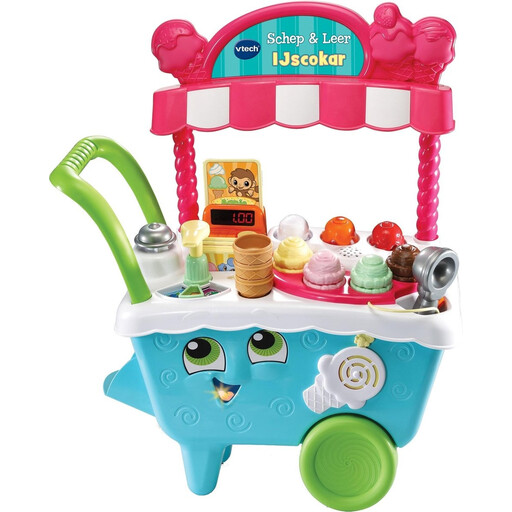
Why It Stands Out This ice cream cart from VTech is more than just a playset; it's an interactive learning station. Children can run their own ice cream shop, take orders using the activity cards, and create treats with the magic scooper.
Key Features
Who Is It For? A comprehensive gift for children from 2 to 5 years old who love imaginative play. It offers long-lasting fun and combines physical activity (pushing the cart) with educational elements.
The world of interactive toys is vast, and the right choice depends heavily on the child's interests and age. If the options above aren't a perfect match, or if you're specifically looking for something for a four-year-old, there's more to explore.
Check out our wider range of electronic toys for 4-year-olds for more ideas and inspiration.
Interactive toys are designed to respond to a child's actions, whether through light, sound, or movement. The goal is to stimulate the senses, practice fine motor skills, and encourage cognitive abilities like problem-solving and cause-and-effect reasoning.
There are interactive toys for almost every age. For babies, there are simple toys that react to touch. For toddlers and preschoolers, the toys become more complex, with features focused on learning numbers, letters, colours, or encouraging role-play. It is always important to follow the manufacturer's age recommendation.
Toys with sound can be very stimulating and enrich the play experience. They can help a child learn songs or recognise sounds. A practical advantage is when the volume is adjustable or can be turned off completely. This allows the fun to be adapted to the situation and environment.
