
Vandaag of morgen in huis

Kwaliteit gegarandeerd

Welkomstaanbiedingen ontgrendelen: GRATIS bezorging | Tot 80% korting | Gratis 30 dagen JoyPlus-proefperiode
Download de app
A toy might look appealing in a product photo, but all too often it ends up unused in practice. With interactive pet toys, it’s not just about colour or a striking shape. The size, your pet’s play style and how you maintain the product matter far more.
For dogs, it’s often about a combination of movement, fetching, chewing and searching for treats. Cats tend to respond more to hunting, climbing, scratching and short play sessions. By keeping the points below in mind, you’ll reduce the chances of spending money on toys that don’t suit your pet or your home.
A ball that’s 15 cm in diameter might appeal to a large dog, but could be too heavy or awkward for a small dog to pick up. Conversely, small toys can get damaged more quickly by a larger dog. Always check the dimensions and the recommended pet type.
Also consider the space you have available. An automatic moving ball needs a clear floor indoors. A tall cat tree requires not only enough ceiling height, but also a stable surface.
Terms like “chew-proof” or “bite-resistant” crop up regularly in product descriptions. These are not guarantees that a toy is suitable for a dog that chews intensively and for long periods. According to product information from various brands, you should check toys regularly and replace them as soon as they tear, come apart or expose any parts.
Choose a sturdy chew toy for dogs, but supervise the first few play sessions. With electronic toys, loose parts and a damaged casing are especially important to spot in good time.
A toy with sound, movement and a treat function might seem versatile. Yet not every dog or cat will use all the features. A timid cat may avoid a noisy toy, while a dog that mainly wants to fetch will get more from a robust ball for dogs.
Ask yourself: do you want your pet to play independently, to be active together with you, or mainly to have a mental challenge? The answer will determine whether you’re better off choosing a treat ball, fetch toy, moving ball or a simple toy with feathers.
Compare the product dimensions with your pet’s body size. For small dogs, toys that are a manageable size are usually more practical. A model for medium-sized dogs can be more robust, but must still be safe to pick up.
For cats, pay attention to the height and width of a cat tree or scratching post for cats. Also check whether the base is wide enough and whether an anti-tip feature is mentioned. A climbing unit that’s 170 or 212.5 cm tall has different placement requirements than a low scratching mat.
Look beyond the colour. Relevant details include, for example:
For a treat ball, the opening is also important. It needs to be suitable for the size of the kibble or treats you’ll use. Only use food that fits according to the instructions and clean the product after use.
Electronic intelligent dog toys often run on a rechargeable battery. Check what type of cable is included, whether the charging port needs to stay dry, and whether the toy should be kept out of your pet’s reach while charging. For products with sound, it’s wise to check that the sound mechanism is well protected.
A replaceable cover, removable parts or a surface that can be wiped clean with a damp cloth can make daily use easier. This doesn’t automatically extend the lifespan, but it does make maintenance more straightforward.
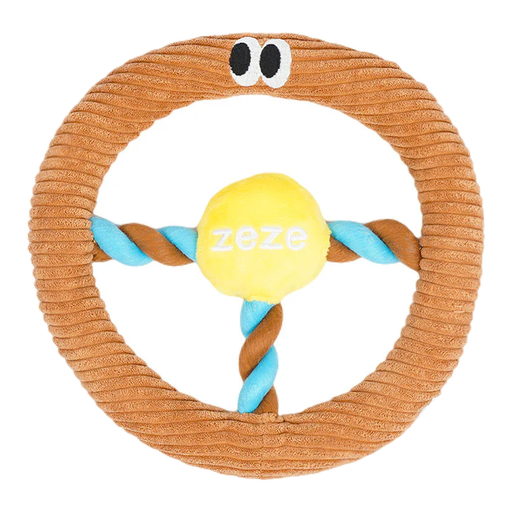
Why this fits the profile: This toy combines chewing, rolling and interaction in one product and, according to the product description, is intended for small to medium-sized dogs.
The dimensions of 23 × 23 × 3.5 cm offer more grip than a product with an unclear size. The sound mechanism should be checked regularly for wear and tear.
Texture variations, built-in sound and use for chewing, rolling or fetching.
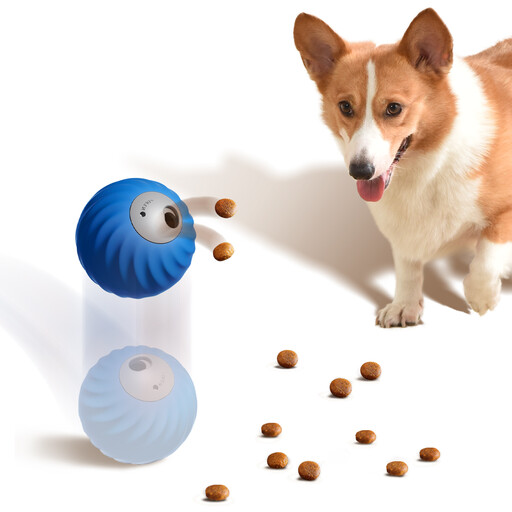
Why this fits the profile: For dogs that enjoy moving and searching, this model combines a moving ball with a treat function, according to the product description.
The treat opening gives movement a clear purpose. The USB-C battery and replaceable plush cover are verifiable product features; supervision is still needed.
Two play modes, treat dispenser, rechargeable battery and replaceable cover.
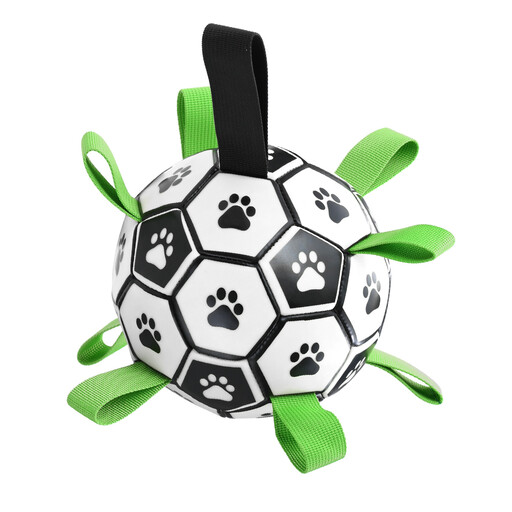
Why this fits the profile: This fetch toy is designed for outdoor play, rolling, chasing and throwing, with a diameter of approximately 15 cm.
The inflatable construction can be stored smaller, making it practical for walks or travel. Check the woven outer layer after intensive use.
Lightweight, inflatable, portable and suitable for rolling, chasing and fetching.
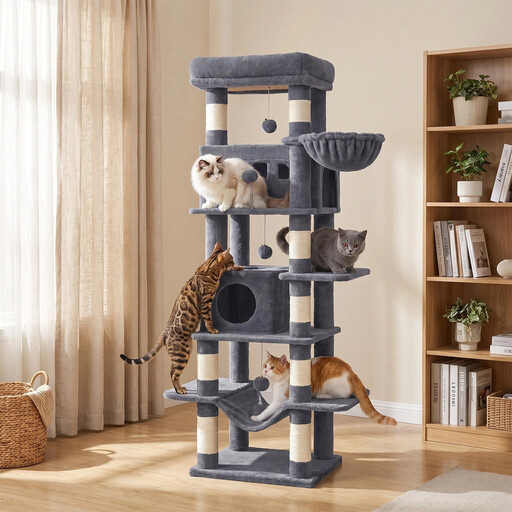
Why this fits the profile: This cat tree offers multiple levels, resting spots, hammocks and sisal posts for cats that love to climb, scratch and retreat.
The product description mentions a widened base and anti-tip feature. Still check the level placement and fixings before assembly.
Six levels, eight sisal posts, two cushions and multiple resting and hiding spots.
We’ve put together a full, up-to-date list of products that fully meet these strict selection criteria and comply with current European safety regulations.
Pay attention to the size, weight and recommended dog size. A small dog may benefit from a compact moving ball or light chew toy. Don’t choose a product solely based on the term “for all breeds” and take your dog’s bite strength into account.
That depends on the material, play intensity and your pet’s behaviour. A toy for gentle play can last longer than a toy for daily intensive chewing. Check the product regularly rather than sticking to a fixed usage period.
Rechargeable models typically use a battery during play rather than disposable batteries. The actual usage time depends on the play mode and how often you recharge the toy. Turn the device off after use and only charge it with the recommended cable and a dry charging port.
