
Vandaag of morgen in huis

Kwaliteit gegarandeerd

Welkomstaanbiedingen ontgrendelen: GRATIS bezorging | Tot 80% korting | Gratis 30 dagen JoyPlus-proefperiode
Download de app
A dog can quickly become bored with the same toy. However, more toys do not automatically mean a better choice. A squeaker may be appealing, but a small component can pose a risk if your dog likes to tear things apart. A sturdy chew toy may last a long time, but it is not always suitable for a puppy or small dog.
As a Joybuy Product Recommendation Officer, I filter the most important product information based on verifiable specifications. This helps you understand what to look for in interactive dog toys for chewing, tugging, fetching, sniffing and independent play.
The term “durable” does not say much on its own. Pay attention to the stated material, dimensions and warnings. TPR, natural rubber, latex, rope and fabric each have different properties. A product may be suitable for chewing but still not be intended for a dog that bites strongly and persistently.
Also check whether the material is fully specified. Some products mention only “wear-resistant material”, which makes a meaningful comparison more difficult.
A toy that is too small could be swallowed. A toy that is too large can be difficult to pick up, especially for puppies and small dogs. Always consider both the dimensions and the recommended dog size.
For example, a rope toy measuring 16.5 × 8 cm may be suitable for puppies and small dogs, while a 15 cm ball may also be marketed for larger breeds. Your dog’s build, weight and jaw size remain important factors.
Manufacturers use terms such as “cleans teeth”, “helps prevent boredom” or “helps with anxiety”. Treat these as product claims, not guaranteed results. According to the product descriptions of some brands, textures may stimulate the tooth surface or gums during chewing. This does not replace regular dental care or advice from a vet.
Interactive dog toys may also help reduce boredom, but they do not replace walks, training or time spent with your dog.
For dog chew toys, TPR and natural rubber are commonly used materials. TPR is flexible and elastic, while natural rubber can feel firm and is often suitable for toys that can be filled with treats. Fabric toys are soft, but their seams, filling and squeakers require particular attention.
For rope toys, check that the rope is tightly woven. Loose threads can be swallowed. A dog toy with a squeaker should be replaced immediately if the squeaker comes loose or becomes visible.
Choose according to your dog’s preferred way of playing:
Inspect a toy before and after use for cracks, loose parts, fraying and exposed electronics. Intensive chewers can cause wear and tear quickly. There is no fixed lifespan: it depends on biting strength, play duration and how the toy is used.
Washable latex balls can be practical for everyday use. Electronic models generally must not be submerged. Only use rechargeable toys when the charging port is dry, and keep the charging cable out of your dog’s reach.
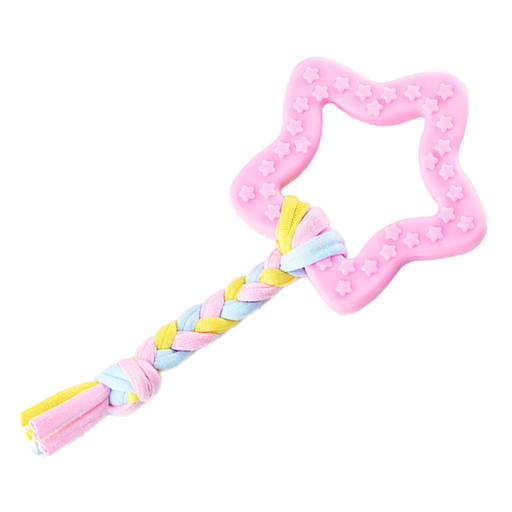
Why it fits: A compact toy for puppies and small dogs that enjoy tugging and chewing. It measures 16.5 × 8 cm and combines TPR with fabric.
The recommended target group and dimensions are clearly stated. According to the description, the product is not intended for powerful chewers or medium-sized and large breeds.
Combines TPR and fabric; suitable for chewing, tugging and fetching. Can be wiped clean with a damp cloth.
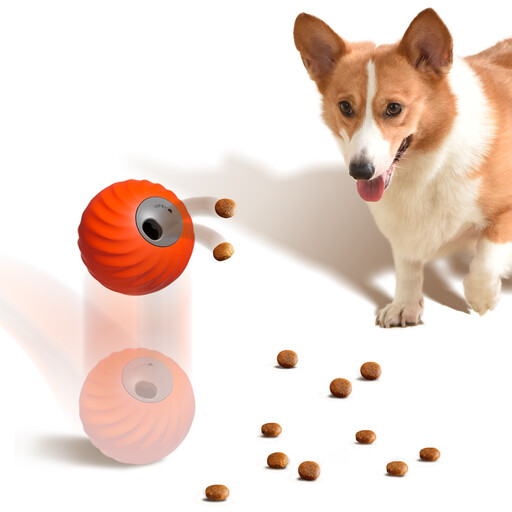
Why it fits: For dogs motivated by both movement and food. This model features two play modes, a treat compartment, a replaceable plush cover and a USB-C battery.
The controls, charging method and warnings are included in the product information. This makes it clear in advance that supervision is required and the charging port must be kept dry.
Combines unpredictable movement with treat dispensing. The cover is removable and replaceable.
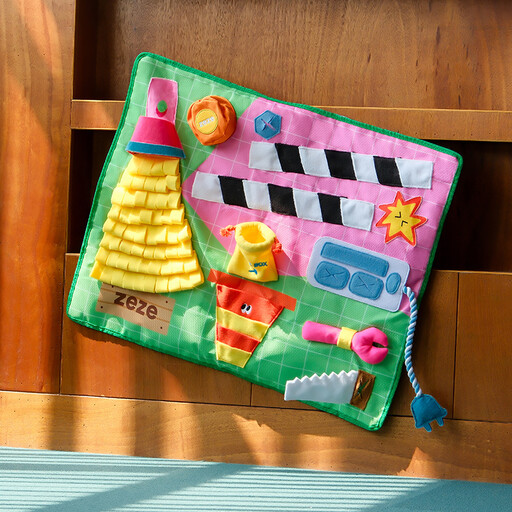
Why it fits: For dogs that enjoy searching rather than simply chasing a ball. Measuring 70 × 57 cm, the mat features multiple pockets, folds and textures for dry treats.
The instructions call for supervision, dry treats and checks for loose threads or components. The mat is not suitable for dogs that swallow fabric or plastic.
Generous dimensions with several search zones. Maintain it by shaking out, vacuuming and spot-cleaning.
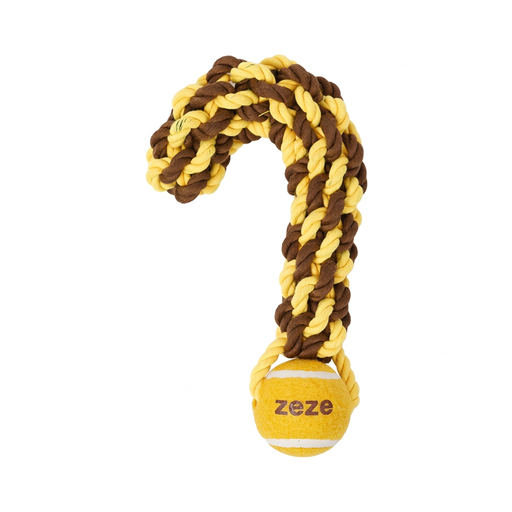
Why it fits: A combination of knot and ball for tugging, throwing and fetching, indoors or outdoors. The toy is lightweight and designed for both dogs and cats.
The safety information advises checking the toy before and after use. Remove it if it becomes frayed or breaks; it is not edible.
Cotton rope and fabric; suitable for tugging and fetching. Easy to handle indoors and outdoors.
Explore a current selection of interactive dog toys for different play styles, ages and dog sizes.
Start with short sessions of around 5 to 10 minutes. Observe how your dog responds and extend playtime only if they play calmly and safely. Alternate active toys with sniffing activities and rest. Use electronic toys according to the instructions and always under supervision.
Choose dog toys for puppies in an appropriate size, made from flexible materials and accompanied by clear warnings. A small TPR and rope toy may be suitable for gentle tugging and chewing, while hard or heavy toys may be less appropriate for a young dog. Check the toy regularly, as puppies often explore intensively with their teeth.
No. According to product descriptions, ridges or textures may help stimulate the tooth surface during chewing, but the result varies from dog to dog. Dental dog toys are therefore an addition, not a replacement for daily dental care. If your dog has pain, bleeding gums or noticeable plaque, contact your vet.
