
Vandaag of morgen in huis

Kwaliteit gegarandeerd

Welkomstaanbiedingen ontgrendelen: GRATIS bezorging | Tot 80% korting | Gratis 30 dagen JoyPlus-proefperiode
Download de app
A dog that ignores its toy after two days, a ball that disappears under the sofa or a chew toy that quickly splits: many purchases disappoint because the product isn’t right for the dog. When it comes to interactive dog toys, it’s not just about an eye-catching shape or promises of “smart” play. Focus on size, material, play style and care requirements.
Terms such as strong, durable or chew-resistant don’t tell you much unless the material and finish are specified. A soft plush cover, for example, may be suitable for active play and fetch, but not for a dog that chews intensively. Check whether the product is made from nylon, rubber, latex, cotton or plush, and what type of chewing it’s designed for.
No dog toy is completely immune to teeth. Check the product before and after use. Replace the toy if you spot tears, loose parts or fraying.
A dog ball that’s too small could be swallowed or get stuck. A toy that’s too large can be difficult for a small dog to pick up, so they may ignore it. Check the stated dimensions and recommended weight or breed size.
For toys for small dogs, the right weight, a good grip and manageable movement are important. Toys for medium-sized dogs can generally be larger or heavier, but always check the product information and your dog’s play style.
A moving or bouncing USB-C rechargeable dog ball can provide extra stimulation, but it doesn’t replace supervision. According to Petgravity’s product information, these balls are designed to be used under supervision and aren’t suitable for dogs that chew aggressively. Check the battery, charging cable and casing regularly, too.
Interactive toys can help relieve boredom and encourage exercise. They aren’t a guaranteed solution for separation anxiety or other behavioural issues. If behavioural problems persist, it’s best to seek advice from a vet or animal behaviourist.
Choose the material to suit your dog’s behaviour:
Bear in mind that terms such as “dental dog toy” usually refer to a texture that moves against the teeth or gums while your dog chews. This isn’t a substitute for regular dental care. Claims in brand descriptions about reducing plaque are manufacturer claims; don’t treat them as a medical outcome.
A dog ball should be large enough that it can’t disappear into your dog’s mouth in one go. At the same time, your dog should be able to lift, push or carry it. For toys with a diameter of 6 to 7.5 cm, consider your dog’s jaw size, not just their breed.
A rope ball or nylon toy with an easy-to-grip surface often works better for tug and fetch than a smooth ball. Softer materials are practical indoors, while outdoors you’ll want to consider visibility, cleaning and wear.
When choosing a smart dog toy, check:
A treat-dispensing dog ball or slow feeder should also have an adjustable opening. If it’s too easy, there’s little challenge; if it’s too difficult, it can cause frustration. Use only suitable treats and clean the toy after use.
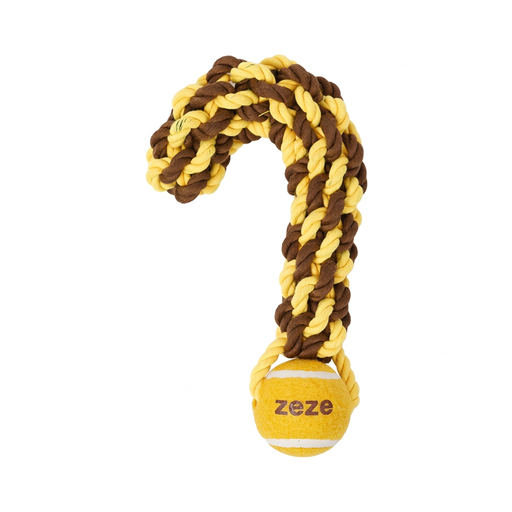
Why it suits this profile: The rope-and-ball combination is suitable for everyday tug, throwing and fetch, indoors and out. Its lightweight design is practical for small to medium-sized dogs.
The product description specifies cotton cord and hard-wearing fabric. Check regularly for fraying, and don’t leave your dog alone with it the first time they use it.
Rope-and-ball combination, portable design and suitable for interactive play. According to the product description, its texture can make contact with the tooth surfaces and gums while your dog chews.

Why it suits this profile: According to the product information, this natural rubber toy is designed for small and medium-sized dogs weighing up to around 15 kg. You can fill it with kibble or xylitol-free peanut butter.
The size, material and filling option are clearly described. This helps you make a more informed choice than with a product labelled simply “interactive”.
Unpredictable rolling and bouncing, fillable openings, and easy cleaning with warm soapy water. According to the product information, it’s suitable for the top rack of the dishwasher.

Why it suits this profile: The ball is specifically listed for medium-sized dogs and has two play modes with unpredictable bounces. It’s a good match for dogs that respond to movement and enjoy chasing a ball.
The size and intended use are clearly specified. The manufacturer also states that the product isn’t designed for dogs that chew aggressively.
USB-C rechargeable battery, two play modes and a replaceable plush cover. Use the ball indoors or outdoors under supervision, and keep the charging cable out of reach.
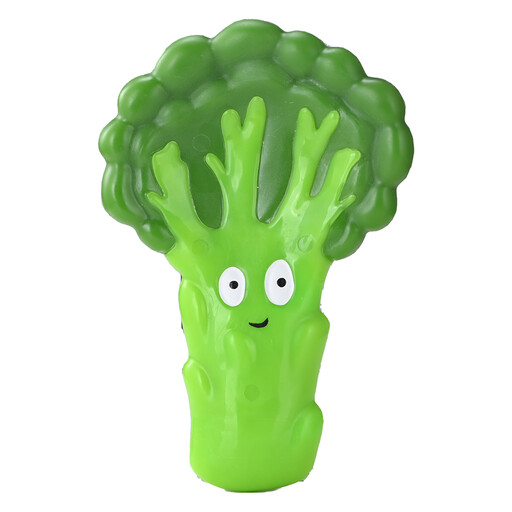
Why it suits this profile: The 11 × 3,5 × 16,5 cm nylon toy is designed for dogs with a moderate to strong urge to chew, and can also be used for throwing and fetch.
The material, dimensions and intended users are specified. The manufacturer recommends supervision and replacing the toy as soon as it becomes badly worn.
Nylon construction, an easy-to-grip shape, and suitable for chewing, throwing and fetch. The product description also presents its texture as helping to clean teeth while chewing.
We’ve put together a complete, up-to-date list of products that meet these strict selection criteria and the applicable European safety regulations.
Choose a product that your dog can grip easily and that isn’t too heavy. Check the dimensions of the ball or toy, and avoid parts that could come loose. A treat ball, soft squeaky ball or small rubber puzzle toy may be suitable, depending on your dog’s chewing and play style.
How long a toy lasts depends on your dog’s bite strength, how often it’s used, the surface it’s used on and the material. Nylon and rubber may last longer when used appropriately, but these materials can wear out too. Inspect the toy regularly and replace it if sharp edges, tears, fraying or loose parts appear.
A USB-C rechargeable dog ball uses little energy while it’s being played with, but the exact run time depends on the battery capacity, play mode and charging frequency. Don’t leave the ball charging unattended, and store the charging cable out of your dog’s reach.
