
Vandaag of morgen in huis

Kwaliteit gegarandeerd

Welkomstaanbiedingen ontgrendelen: GRATIS bezorging | Tot 80% korting | Gratis 30 dagen JoyPlus-proefperiode
Download de app
A dog that abandons its toy after two minutes does not always need more toys. Often, the type of play does not suit its size, chewing strength or interests. When choosing interactive dog toys, there is therefore more to consider than colour and eye-catching packaging.
Many dog owners encounter the same problems:
With the right checks beforehand, you can avoid buying the wrong product. Below, we explain which features you should compare and which options suit different dogs and situations.
The size should suit your dog’s mouth, weight and play style. Dog toys for small dogs and puppies are generally lighter and easier to pick up. For medium-sized and large dogs, larger balls, sturdy tug toys or robust treat dispensers are more suitable.
Pay attention to the combination of function and size:
Always check the dimensions in centimetres. “For all breeds” tells you less than a specific size and a clear warning for aggressive chewers.
TPR, rubber, nylon, fabric and polyester each have a different usage profile. TPR and rubber are often suitable for rolling, chewing or filling with treats. Fabric and plush feel soft, but can tear more quickly if your dog likes tugging or biting pieces off.
Pay particular attention to:
According to product descriptions from various brands, some materials are wear-resistant or bite-resistant. This does not guarantee that a toy will last a long time with every dog. A strong chewer can quickly damage even suitable dog toys.
Supervision is important with interactive dog toys, especially with a puppy, when introducing a new toy or with a dog that tries to pull parts off. Electronic toys also bring additional considerations, including a USB-C cable, battery, charging port and moving parts.
A dog treat ball or snack dispenser also requires regular cleaning. With fabric products, such as a snuffle mat for dogs, you should remove any leftover food and allow the product to dry completely. This keeps the toy usable and prevents your dog from chewing on loose or spoiled remains.
The right choice depends on the purpose. If you want to play together, a tug rope, throwing toy or dog ball may be suitable. If you want your dog to search independently, look for a treat dispenser or snuffle mat. For chewing needs, nylon, rubber or specially designed chew materials are more suitable than soft plush.
Product descriptions for dental-care dog toys sometimes state that chewing helps to reduce plaque or build-up. Treat this as a product claim made by the brand, not as a replacement for normal dental care or advice from a vet.
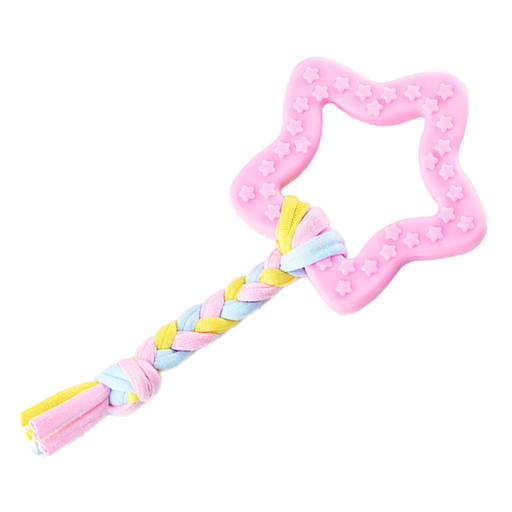
Why it suits this profile: According to the product information, this compact 16.5 × 8 cm toy is intended for puppies and small dogs. It combines chewing with tugging and fetching, so you do not need to buy several toys straight away.
The size and recommended target group are clearly stated. According to the warning, the product is not intended for large dogs or aggressive chewers.
TPR and fabric; suitable for tugging, chewing and interactive training; wipe with a damp cloth.

Why it suits this profile: For those who pay close attention to materials and versatility. The product information mentions natural rubber, unpredictable rolling and bouncing, and space for treats or xylitol-free peanut butter.
The material and target weight of up to around 15 kg are stated. This makes it easier to assess suitability than relying solely on the term “bite-resistant”.
Natural rubber; suitable for rolling and filling; according to the product information, dishwasher-safe on the top rack.
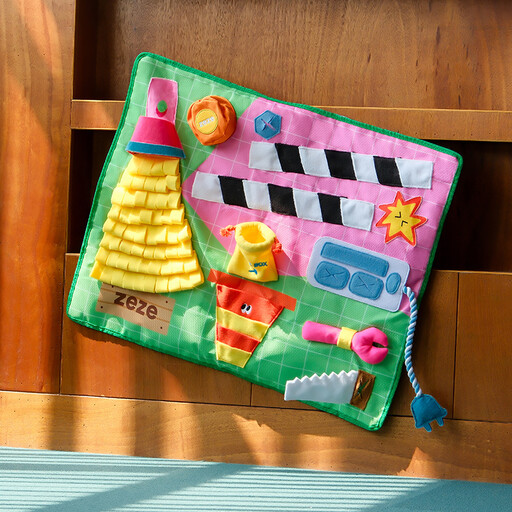
Why it suits this profile: This 70 × 57 cm snuffle mat is designed for search games and treat-based enrichment. You hide dry food or treats in different compartments, folds and textures.
The usage and care instructions are specific: use dry food only, remove crumbs and do not submerge in water.
Large surface area; multiple hiding places; suitable for controlled indoor search games.
We have compiled a complete, up-to-date list of products that fully meet these strict selection criteria and the applicable European safety regulations.
No toy is suitable for unlimited use without inspection. When introducing a new toy, let your dog play with it for a short time first and observe how they use it. Replace the product if you notice cracks, loose threads, deep grooves, exposed parts or a detached squeaker.
A simple routine helps:
This way, you can choose based not only on appearance, but also on suitability, maintenance and verifiable specifications.
Vary the activities. A dog treat ball or snuffle mat encourages searching, while a tug toy or fetch toy supports exercise and shared play. The effect differs from dog to dog, so choose based on your dog’s preferences and chewing strength.
This depends on the material, frequency of use and biting behaviour. Fabric and plush can wear out more quickly with strong chewers. Rubber, TPR and nylon are often more practical for chewing, but these materials should also be checked regularly and replaced if damaged.
Electronic models with a built-in battery need to be charged. The actual running costs depend on how often you use the toy and how long each charge lasts. A manual toy, treat ball or snuffle mat has no charging costs, but still requires cleaning and supervision.
