
Vandaag of morgen in huis

Kwaliteit gegarandeerd

Welkomstaanbiedingen ontgrendelen: GRATIS bezorging | Tot 80% korting | Gratis 30 dagen JoyPlus-proefperiode
Download de app
A dog toy might look appealing in an online shop, but that doesn’t tell you much about whether it’s right for your dog. A small dog needs different dimensions than a medium-sized one. It also makes a difference whether you’re looking for chew toys for dogs, a puzzle game for indoors, or a ball for outdoors.
The three most common pitfalls are:
“Indestructible” as a marketing term
No toy is suitable for every chewer. A soft outer layer, rope, or plastic component can become damaged when a dog bites down hard. Always check the material, the recommended dog size, and the warnings.
A size that’s too big or too small
A ball that’s too small can be unsuitable for a dog that can take it fully into its mouth. A heavy or large toy, on the other hand, is awkward for a small dog. Look at the stated dimensions and only use the product for the animal type and size it’s intended for.
Too many features, not enough practical use
Lights, sound, or unpredictable movements grab attention, but not every dog responds to them. With electronic toys, you also need to consider charging, supervision, and damage to the casing. Choose the feature that matches your pet’s daily play behaviour.
For durable dog toys, construction matters more than a flashy appearance. Look out for:
A product description might use terms like “bite-resistant” or “hard-wearing”. Treat this as a manufacturer’s product feature, not a guarantee for every dog. According to the product information from the relevant brands, some toys are aimed at chewing, but aggressive chewers need extra supervision.
Check before you buy:
A ball of around 15 cm may be suitable for different dog breeds according to the product description, but your dog’s individual mouth size and play style remain the deciding factors. A snuffle mat measuring 70 × 57 cm also needs enough floor space and is mainly suited to calm searching games indoors.
Interactive toys stay usable when they’re easy to maintain. Pay attention to the cleaning instructions:
Inspect every toy before and after use. Stop immediately if you see loose parts, deep cracks, fraying, or exposed electronics. If rope, plastic, stuffing, or larger pieces are swallowed, contact a vet.
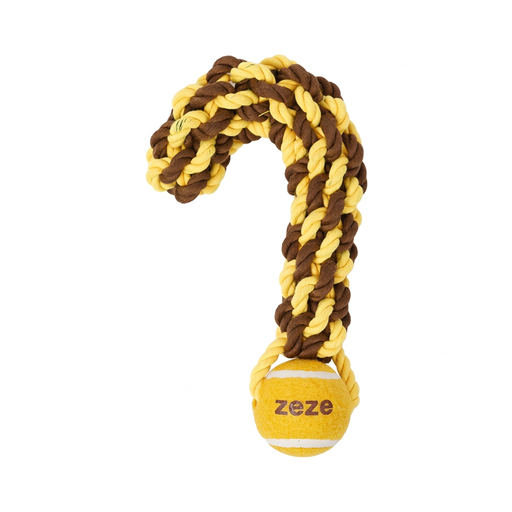
Why this fits the profile: This versatile toy combines a rope and ball for tugging, throwing, and fetching. It’s intended for dogs and cats and can be used indoors and outdoors.
The function is clear and requires no battery or complicated setup. Do check daily for fraying and stop using it if damaged.
Cotton rope, a ball shape, and a lightweight design for interactive play without charging.

Why this fits the profile: The natural rubber shape is designed for small and medium-sized dogs up to around 15 kg. According to the product description, you can put food or xylitol-free peanut butter in the recesses.
The size and target audience are clearly stated. Still, check that your dog doesn’t chew excessively on the rubber shape.
Natural rubber, unpredictable rolling, and space for dry kibble or suitable filling.
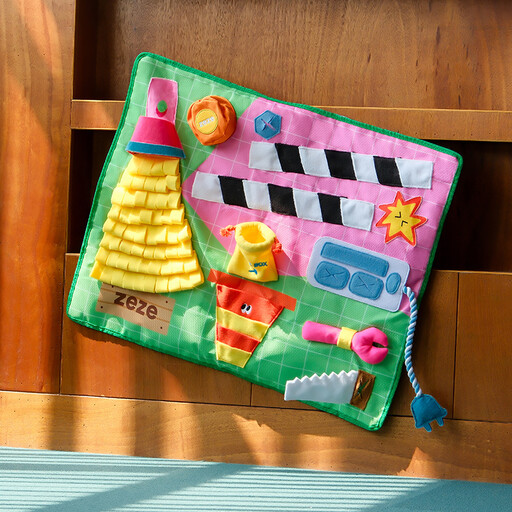
Why this fits the profile: This mat, measuring 70 × 57 cm, is designed for scent games. Hide dry kibble or treats in the compartments, folds, and different textures.
The purpose is specific: sniffing and searching, not hard chewing. The instructions ask for supervision and advise against it for dogs that swallow fabric or plastic.
Multiple hiding spots and textures; suitable for calm indoor play.
We’ve put together a full, up-to-date list of products that fully meet these strict selection criteria and comply with current European safety regulations.
Let your dog get to know a new toy calmly at first. Use electronic toys only under supervision and keep charging cables out of reach. Check for loose parts, cracks, and fraying before use. Don’t give a toy that is smaller than what is safe for your dog’s mouth.
The lifespan depends on the material, play duration, and chewing strength. A rubber toy can last longer with moderate use, while rope and plush wear out more quickly with intensive chewing. There is no fixed usage period. Replace the toy as soon as the structure is damaged, even if the product still looks appealing.
That depends on the type. A rope ball or chew toy doesn’t need power. An electronic ball needs to be charged, but it typically doesn’t use disposable batteries when the built-in battery is working. With treat balls and snuffle mats, the snacks or kibble are the recurring costs. For every product, pay attention to maintenance, replaceable parts, and the recommended usage period.
