
Vandaag of morgen in huis

Kwaliteit gegarandeerd

Welkomstaanbiedingen ontgrendelen: GRATIS bezorging | Tot 80% korting | Gratis 30 dagen JoyPlus-proefperiode
Download de app
Buying a dog toy might seem straightforward – until it falls apart within days, turns out to be too small, or fails to spark any interest at all. With interactive dog toys, it’s not just about a striking shape or a promising product name. The right choice depends on your dog’s size, play style and chewing strength.
In this guide, you’ll discover what to look for in dog toys, which marketing pitfalls are common, and what type of toy suits different dogs and situations.
A product may be described as durable or bite-resistant, yet the product page says little about the material, dimensions or recommended dog size. A soft toy for a puppy, for example, isn’t automatically suitable for an adult dog that chews firmly.
Always check the following:
A moving ball might appeal to a curious small dog, but be unsuitable for a dog that tries to bite open every toy immediately. Similarly, a snuffle mat for dogs works best when your dog enjoys searching and calmly engages with food.
“Interactive” doesn’t mean the same thing for every dog. Think about mental stimulation, fetching, tugging, chewing or searching for treats.
Some products are labelled as dental care dog toys. According to certain brands’ product descriptions, textures can help clean the tooth surface or massage gums during chewing. This is not a substitute for regular dental care or a check-up with your vet.
So treat a chew toy as part of the play and care routine, not as a guaranteed solution for dental problems.
The toy must be large enough not to get stuck easily in the mouth or throat, but still remain manageable. For small dog toys, compact dimensions and a light weight are important. Medium and large dogs often benefit more from a larger handle, a sturdy ball or a thicker chewing surface.
Pay attention to the dimensions in centimetres. A toy measuring 16.5 × 8 cm, for example, is aimed at puppies and small dogs, while a ball of around 15 cm may be more suitable for fetch games with different breeds.
Choose the material based on how it will be used:
No material is indestructible. Even toys for strong chewers should be used under supervision.
A treat ball for dogs or a snack-dispensing toy should be easy to open and clean. Only use dry, suitable treats and remove any leftovers after play. With electronic toys, also check:
For every toy, stop using it immediately if it tears, frays, comes apart or if parts become visible.
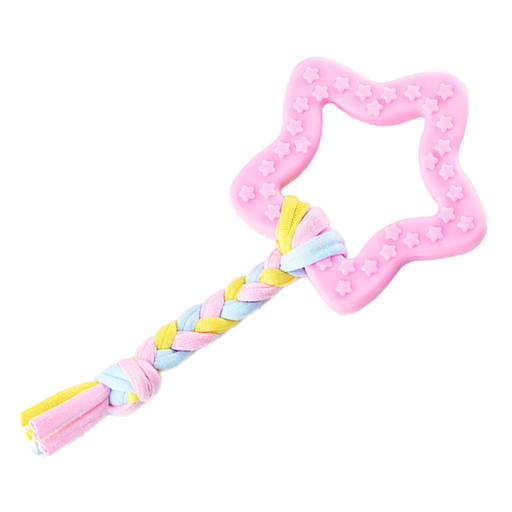
Why this suits the profile: This compact toy, measuring 16.5 × 8 cm, is designed for puppies and small dogs. It combines chewing with tugging, fetching and interactive training.
The size and target audience are clearly stated. This makes it less likely you’ll buy a large or heavy tug rope for a small dog.
TPR and fabric; suitable for chewing and tugging; easy to wipe clean with a damp cloth.

Why this suits the profile: This natural rubber toy is designed for small and medium dogs up to around 15 kg. You can put treats or xylitol-free peanut butter inside it.
The target audience and method of use are clearly described. The unpredictable rolling and bouncing action offers variety without electronic components.
Natural rubber; suitable for treats; clean with warm water and a soft brush according to the product information.
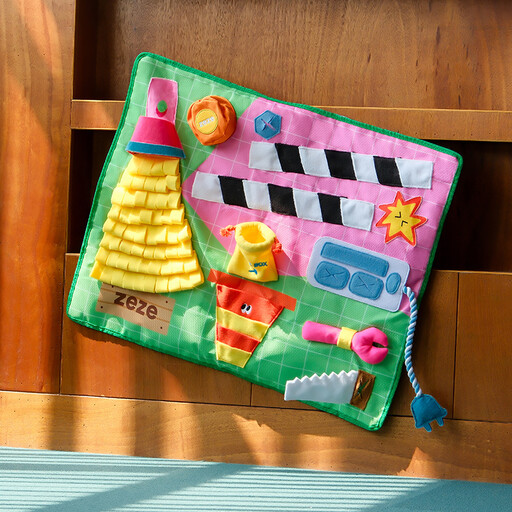
Why this suits the profile: The mat, measuring 70 × 57 cm, uses pockets, folds and different textures to hide dry kibble or treats.
It’s not a toy that relies solely on sound or movement. You can adjust the difficulty by hiding treats on the surface or deeper inside.
Snuffle play for mental stimulation; suitable for dry treats; spot clean with a damp cloth.
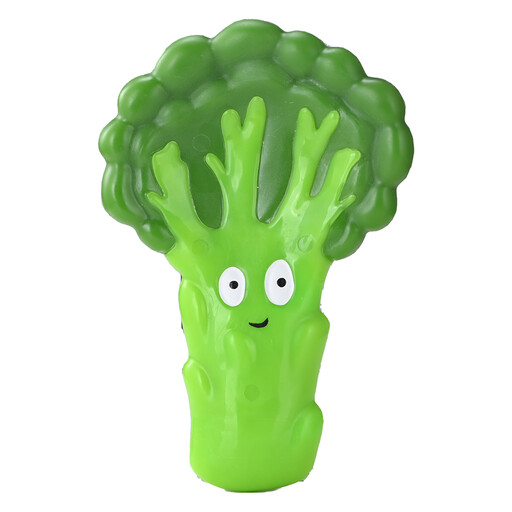
Why this suits the profile: The nylon version, measuring 11 × 3.5 × 16.5 cm, is designed according to the product information for dogs with a medium to strong chewing need.
The material choice, size and target audience are clearly stated. This makes it easier to distinguish this toy from soft toys for puppies.
Nylon material; suitable for throwing and fetching; textured shape for chewing play.
The lifespan of interactive dog toys depends on the chewing strength, play duration and how they are used. Check the toy before and after use. Pay particular attention to:
When introducing a new toy, let your dog play with it under supervision first. Electronic toys and snuffle mats are not intended to be left unattended if your dog tries to pull parts off. Washable balls can be cleaned regularly with water; fabric toys often require spot cleaning and thorough drying.
We’ve put together a full, up-to-date list of products that fully meet these strict selection criteria and comply with current European safety regulations.
Choose a light toy with an appropriate size, soft materials and no easily detachable parts. A TPR and fabric tug rope can be suitable for supervised tugging and chewing, as long as you check it regularly.
There’s no fixed timeframe for this. A toy may last longer with a calm chewer than with a dog that bites intensively every day. Replace it as soon as cracks, fraying or loose parts appear, even if the product is marketed as durable.
A non-electronic treat ball or snuffle mat has no charging costs and only uses suitable treats. Electronic balls need to be charged and require extra care around the battery, cable and charging port. So don’t just look at the purchase price – also consider maintenance and replaceable parts.
