
Vandaag of morgen in huis

Kwaliteit gegarandeerd

Welkomstaanbiedingen ontgrendelen: GRATIS bezorging | Tot 80% korting | Gratis 30 dagen JoyPlus-proefperiode
Download de app
A bored dog may sometimes find its own entertainment. Think chewing furniture, digging in the garden or repeatedly bringing you a toy. Interactive dog toys can combine exercise and engagement with searching, chewing or a tasty snack reward. But not every toy is right for every dog.
The product name often tells you less than the dimensions, materials and usage warnings. A toy that appears suitable for a powerful chewer may still be too small. And an electronic treat ball requires more maintenance than a simple chew toy. So keep an eye out for these common pitfalls.
A durability claim means little if the material and finish are not specified. For dog chew toys, it is relevant to know whether the product is made from nylon, natural rubber, TPR or fabric, for example. The shape also matters: thin edges and loose parts can become damaged more quickly.
Also check whether the manufacturer identifies a target group, such as small dogs, medium-sized dogs or dogs with strong chewing habits. A material may be wear-resistant, but that does not mean it is indestructible.
A treat ball for dogs should be large enough that it cannot be swallowed, while still being easy to handle. With a snuffle mat for dogs, the dimensions and the way treats are hidden are particularly important. Compartments that are too difficult can cause frustration, while ones that are too easy offer little challenge.
So look at the size of the toy, its weight and the size of its openings. Compare these details with your dog’s build and play behaviour.
Interactive toys containing snacks, batteries or fabric parts require regular supervision. Check the product before and after use for cracks, loose threads, detached parts and sharp edges. Damaged toys should be replaced immediately.
For electronic products, also pay attention to the charging method, water sensitivity and cleaning instructions. A USB-C rechargeable treat dispenser, for example, has different maintenance requirements from a rubber toy.
For dogs that enjoy chewing, sturdy nylon and natural rubber are possible options. According to the product description, the Blinkit toy is made from nylon and measures 11 × 3,5 × 16,5 cm. The description says it is suitable for medium to powerful chewers. Even so, check it regularly for signs of wear and supervise your dog while it plays with the toy.
A snuffle mat is usually made from fabric, rope and other soft materials. This makes it suitable for scent work and searching, but less appropriate for dogs that try to eat fabric or loose parts.
Choose the type of play based on your daily routine:
According to the brands’ own product information, certain shapes, movements or hiding places may support mental stimulation and active play. These claims are not automatically a guarantee for every animal.
A toy will generally last longer when you rotate it with other toys and use it as intended. Do not give a treat dispenser hard or oversized snacks if the opening is not designed for them. With fabric products, it is advisable to use only dry snacks if the instructions specify this.
Also pay attention to:
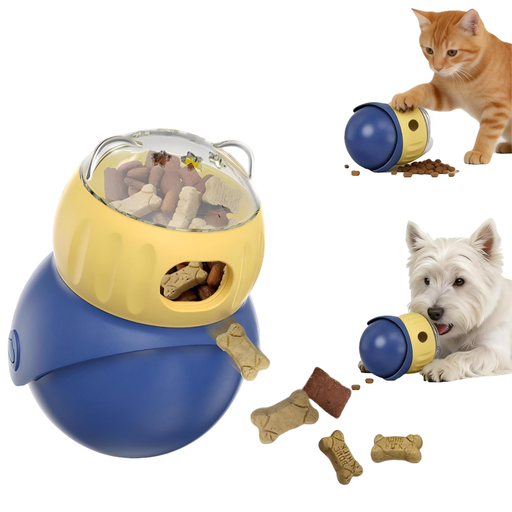
Why it suits this profile: An accessible option for owners who want to try a treat ball and treat dispenser without buying several toys straight away.
The product name mentions adjustable treat dispensing and a slow-feeder function. Before buying, check the full dimensions and recommended dog size on the product page.
Combines food rewards with interactive play; intended for small and medium-sized dogs according to the product title.

Why it suits this profile: For owners looking for a reusable toy that combines rolling, bouncing, chewing and hiding treats.
The product information specifies natural rubber and a design for small and medium-sized dogs weighing up to approximately 15 kg. This gives a clearer target audience than a general durability claim.
Natural rubber; suitable for treats or xylitol-free peanut butter; according to the description, it can be cleaned with warm water and a soft brush.
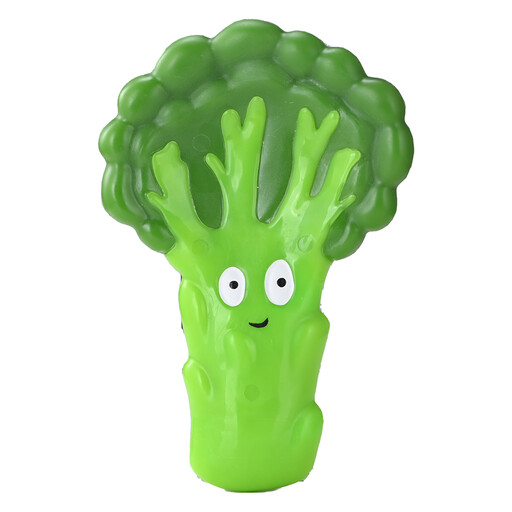
Why it suits this profile: A practical option for dogs that enjoy chewing and occasional games of fetch. The size is clearly specified.
The description specifies nylon, a size of 11 × 3,5 × 16,5 cm and use for medium to powerful chewers. The instructions recommend checking the toy and replacing it in the event of significant wear.
Nylon material; suitable for chewing and games of fetch; rinse with water and leave to air-dry according to the product information.
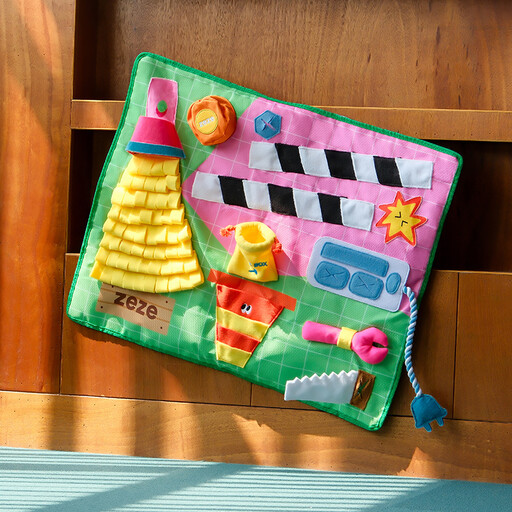
Why it suits this profile: For dogs that prefer sniffing and searching to chewing hard materials for long periods, for example during a quiet moment indoors.
At 70 × 57 cm, the mat is large enough for searching games on the floor. The product information warns that it is not suitable for dogs with destructive chewing habits.
Various compartments, folds and textures; designed for dry snacks; clean with a damp cloth and mild cleaning product.
We have put together a complete, up-to-date list of products that fully meet these strict selection criteria and the applicable European safety regulations.
Start by looking at material, size and warnings. Nylon and natural rubber are often used for dog chew toys, but no product is completely indestructible. Choose a model in the right size and inspect it regularly. A snuffle mat is generally not suitable for a dog that pulls fabric apart or eats it.
Lifespan depends on chewing behaviour, how long the toy is played with and the material. A sturdy toy may last for months with one dog but wear out more quickly with another. Put toys away when they are not being used, rotate different types and replace them as soon as cracks, loose pieces or sharp edges appear.
A simple rubber toy or snuffle mat does not need electricity. An electronic dog toy may need charging and requires extra attention to the charging port and moving parts. With dog toys that contain snacks, the main costs are the food or training treats. Use small portions and take your dog’s daily food intake into account.
