
Vandaag of morgen in huis

Kwaliteit gegarandeerd

Welkomstaanbiedingen ontgrendelen: GRATIS bezorging | Tot 80% korting | Gratis 30 dagen JoyPlus-proefperiode
Download de app
Buying a toy seems simple until your dog tears it apart within minutes or your cat ignores it after a single sniff. When it comes to interactive toys for dogs and cats, the right choice is about more than colour or an eye-catching design. Your pet’s species, size, the toy’s material and their play behaviour all determine whether a product is a good fit.
As a Joybuy Product Recommendation Officer, I filter product information based on practical considerations. This helps you see more quickly which features can be verified and which marketing claims should be treated with a degree of caution.
A toy that is suitable for a small dog is not automatically suitable for a medium-sized dog or a cat. A small component could be swallowed, while a toy that is too large may be difficult to pick up.
Pay attention to:
Words such as durable, bite-resistant and safe mean little without information about the material and instructions for use. A product made from nylon, rubber or rope may be suitable for normal use, but no toy will remain intact indefinitely when used by a dog that chews intensively.
Check whether the product page explains:
A moving ball or toy with sound may seem appealing, but not every pet responds in the same way. Electronic toys also require charging, supervision and checks of the cables and casing. With a hide-and-seek or treat-dispensing game, you should consider the difficulty level and the snacks used.
In practice, a simple toy that matches natural behaviours, such as chewing, searching, chasing or retrieving, may be a better fit than a product with lots of features.
For dog toys, construction is more important than appearance alone. A solidly formed product without sharp splinters may suit dogs that enjoy chewing. Rope toys should be checked regularly for fraying. With plush toys, pay attention to seams, filling and sound modules.
For cat toys, feathers, sisal, crinkle paper and fabric components are popular, but these can come loose. Let your cat play under supervision at first and remove the toy as soon as any parts become damaged.
Claims about teeth cleaning or dental care should not be confused with professional dental treatment. According to the product description, some chewing surfaces may help with mechanical cleaning during play. This is not a medical claim and does not replace a check-up by a vet.
A few practical examples:
Before buying, read how the product should be maintained. Some toys can be wiped with a damp cloth, while others can be rinsed. A product that must not be fully submerged is less practical if your pet drools heavily on it.
Follow this routine:
For a dog treat ball or dog snuffle mat, preferably use dry, suitable treats. Remove any leftovers to prevent unpleasant smells and spoilage.
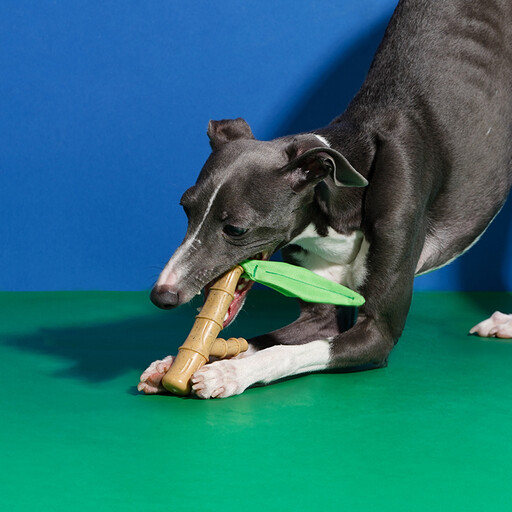
Why it suits this profile: A straightforward choice for dogs that mainly like to chew and occasionally retrieve, with no electronics or charging required.
The product information lists nylon and wood fibre as the main materials and warns that the product should be replaced if damaged. It is therefore not a chew toy that will last indefinitely.
Bamboo shape, suitable for chewing and retrieving, with care using a damp cloth.
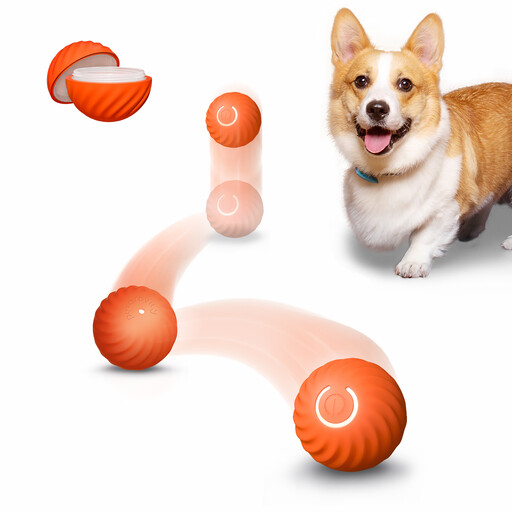
Why it suits this profile: For owners who want to provide a smaller dog with movement and variety indoors.
This version is specifically indicated for smaller dogs. The plush cover is removable, but supervision is still required; the product is not intended for aggressive chewers.
Two play modes, USB-C charging and a replaceable plush outer layer.
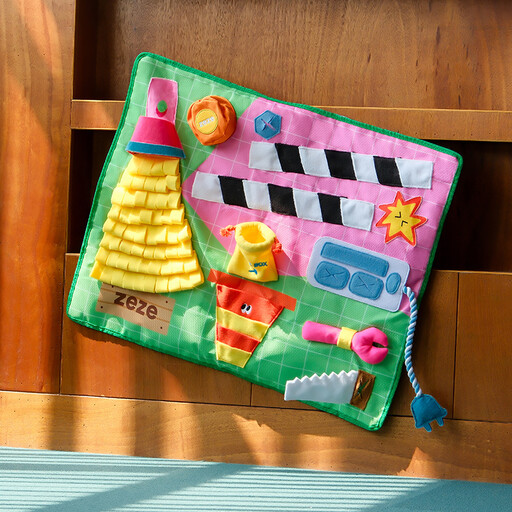
Why it suits this profile: For dogs that enjoy searching and sniffing, and owners who want to introduce a treat game using dry snacks.
The mat lists its dimensions, materials and care instructions. The instructions warn against vigorous tearing and recommend supervision.
Multiple compartments and textures, a large 70 × 57 cm surface and suitability for scent games.

Why it suits this profile: A compact option for cats that respond to catnip, silvervine or a combination of scent and chewing play.
The product description lists fleece, silvervine, catnip and polyester fibre. Check the fabric regularly and replace the toy if it tears or the filling becomes exposed.
Measures 90 × 100 mm and combines silvervine with catnip for independent play.
We have put together a complete, up-to-date list of products that fully meet these strict selection criteria and the applicable European safety regulations.
Alternate activities: for example, use dog retrieving toys, a chew toy and a dog treat ball. Start with a simple pattern and only increase the difficulty once your dog understands what to do. Supervision is still required, especially with treat dispensers and toys containing loose parts.
Lifespan depends on size, material and play behaviour. A gently playing cat may use a fabric toy for longer than a dog that chews intensively. Check the product regularly and replace it if you notice fraying, tears, deep grooves or filling coming loose. A label stating ‘durable pet toy’ is no guarantee of unlimited lifespan.
Running costs mainly involve charging and, where applicable, replacing parts such as a plush cover. A USB-C rechargeable toy does not need disposable batteries, but you should keep the battery, cable and casing out of your pet’s reach. For a simple solution with no charging costs, chew, rope or search toys are practical alternatives.
