
Vandaag of morgen in huis

Kwaliteit gegarandeerd

Welkomstaanbiedingen ontgrendelen: GRATIS bezorging | Tot 80% korting | Gratis 30 dagen JoyPlus-proefperiode
Download de app
Bringing a homemade lunch is a smart move: it's healthier, more affordable, and you know exactly what you're eating. But the reality is often less than ideal. Lukewarm soup, a soggy sandwich, or worse, a leaking bag. The search for the perfect insulated lunch box can be frustrating. Many products make grand promises but ultimately fall short, leaving your food cold (or hot).
As a Joybuy Product Recommendation Officer, I see where things go wrong every day. Before you invest in a new lunch solution, let's break down the three most common pitfalls that can cost you money and a good meal.
To avoid the problems above, you need to pay attention to a few technical details. This isn't marketing fluff—it's the foundation of a product that actually works.
Not all insulation is created equal. The technology determines how long your food stays at the right temperature.
The material affects not only durability but also the taste and smell of your food.
Consider how you'll use the lunch box. Do you need an all-in-one solution or a specialised product?
Below are some products that fit different user profiles, selected based on their specifications and how they address the pitfalls mentioned earlier.
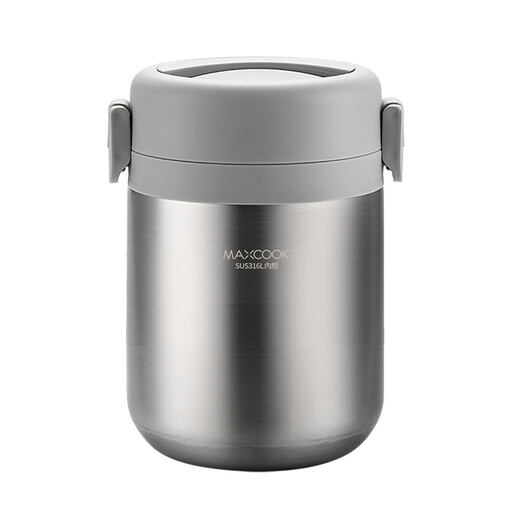
Why This Fits Their Persona: Perfect for those who are serious about bringing a hot soup, stew, or curry. This container is specifically designed for maximum heat retention and durability.
It tackles the 'insulation myth' with double-wall vacuum insulation and superior 316 stainless steel. The wide opening avoids the impractical design pitfall, making it easy to fill and eat from.
Made from 316 stainless steel, it's extra corrosion-resistant for acidic meals. The large 1.5-litre capacity is ideal for a full-sized meal.
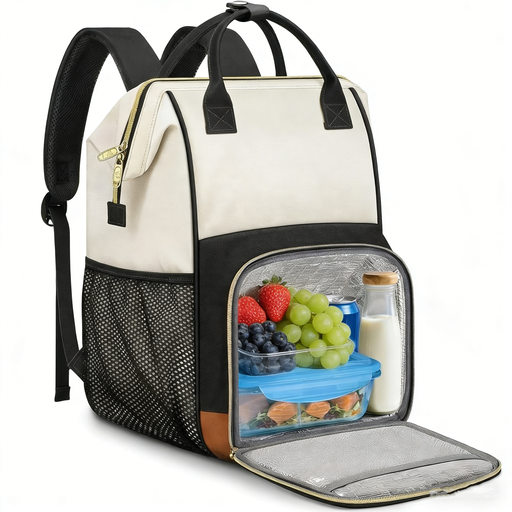
Why This Fits Their Persona: A smart 2-in-1 solution for those who carry a laptop, documents, and lunch daily. This lunch backpack combines everything into one organised package.
It avoids an impractical design by offering a removable insulated lunch compartment. This separates your food from your electronics and documents, minimising the risk of leaks and messes.
Multifunctional: a laptop backpack with a lunch compartment, multiple organisation pockets, and a USB charging port. The lunch compartment can be collapsed for extra storage space.
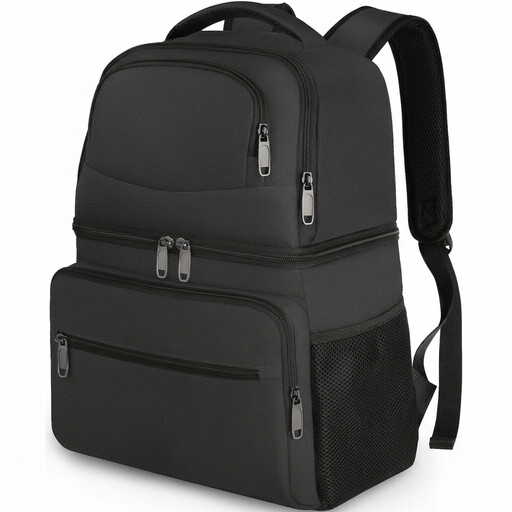
Why This Fits Their Persona: Ideal for day trips, picnics, camping, or a day at the beach. This backpack is a dedicated cooler, designed to keep a large volume of drinks and snacks cold for hours.
This is no half-measure. The bottom compartment is fully leak-proof (PEVA liner), allowing you to carry ice without worrying about leaks. It directly tackles the 'leak-proof lie'.
Dual-compartment design: an insulated, leak-proof section at the bottom for drinks and a separate top section for dry snacks. Includes handy extras like a bottle opener.
We have curated a complete, up-to-date list of products that fully meet these strict selection criteria and local regulations.
The trick is to preheat the container. Pour boiling water into it for a few minutes before adding your meal. Discard the water and immediately fill the container with your hot food. This "primes" the vacuum insulation and provides noticeably longer heat retention.
Always check the manufacturer's instructions. Many stainless steel containers, and especially lids with silicone seals, can be damaged by the high temperatures and harsh detergents in a dishwasher. This can compromise the insulation and the leak-proof seal. Hand washing is often the safest choice.
Both types of steel are food-safe and high-quality. 304 stainless steel is the standard and is sufficient for most meals. 316 stainless steel contains an additional element (molybdenum) that makes it even more resistant to corrosion from salt and acids. If you frequently pack tomato soup, pasta sauce, or other acidic dishes, 316 stainless steel offers superior long-term durability.
