
Vandaag of morgen in huis

Kwaliteit gegarandeerd

Welkomstaanbiedingen ontgrendelen: GRATIS bezorging | Tot 80% korting | Gratis 30 dagen JoyPlus-proefperiode
Download de app
A hot, homemade meal during your lunch break is not only tastier but also better for your wallet and your health. However, the search for the right insulated food jar can be frustrating. The market is flooded with models that promise the world but often fail to deliver in practice. Lukewarm soup or, even worse, a leaking container in your bag is the last thing you need.
As a Joybuy Product Recommendation Officer, I filter through the noise to help you make the right choices. We'll look past the marketing hype and focus on what really counts. Let's discuss the three most common pitfalls so your next purchase is a perfect match.
To avoid a bad buy, there are a few technical features you should always check. These determine whether a thermal food container does its job well.
The foundation of a good insulated jar is its insulation. The most effective method is double-walled vacuum insulation. The air between the inner and outer walls of the container is removed, creating a vacuum. This minimises heat transfer, keeping your food hot (or cold) for hours.
The material of choice is almost always stainless steel (SS). A stainless steel food container is durable, resistant to bumps and scratches, and does not absorb odours or flavours. Pay attention to the quality of the steel; 304 (or 18/8) and 316 SS are food-safe standards that guarantee quality.
A leak-proof food container lives or dies by its lid design. Look for a screw-top lid rather than a snap-on system. A screw-top lid can better withstand the pressure created by heat. The second component is the silicone sealing gasket. It should be thick, flexible, and removable for thorough cleaning. A poorly designed or thin gasket is the main cause of leaks.
Think about how you will use the insulated lunch box.
soup thermos or a small portion of pasta, a capacity of 400-500 ml is often sufficient.Below are some products that score well on the above criteria, matched to different user profiles.
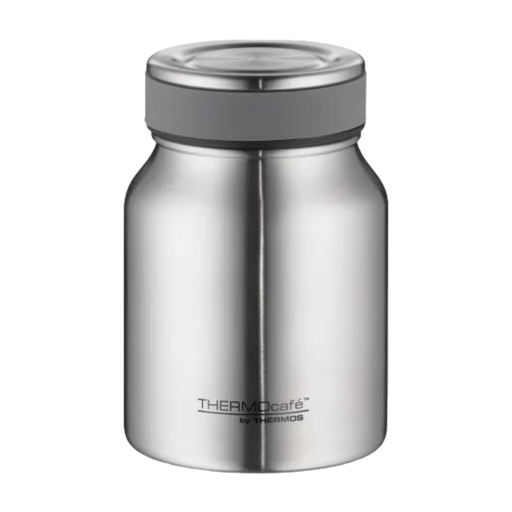
Why This Fits Their Persona: Ideal for those who take a daily portion of soup, stew, or pasta. The 500 ml capacity is perfect for a single-serving lunch, without adding unnecessary weight or bulk to your bag. A reliable choice for the `adult lunch box` user seeking functionality.
The robust screw-top lid with a solid silicone gasket lives up to the "leak-proof" claim, even with hot soup. No nasty surprises in your bag.
According to the manufacturer, the Thermax vacuum insulation keeps food hot for up to 9 hours. The wide mouth and dishwasher-safe design make use and maintenance simple.
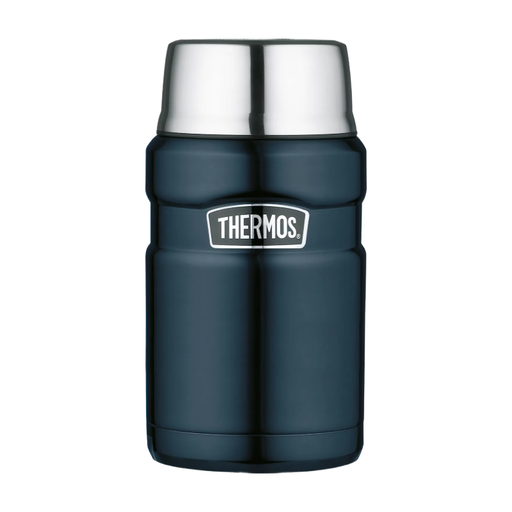
Why This Fits Their Persona: For those who work long days or outdoors and have a late lunch. The larger 710 ml capacity is suitable for a substantial meal, and its insulation performance is next-level. This is a `thermos for hot food` that delivers on its promise.
This model counters the pitfall of exaggerated insulation claims. The manufacturer claims up to 14 hours of heat retention, which in practice means your meal is still at a pleasant temperature after a full workday.
Exceptional heat retention and a robust, impact-resistant stainless steel construction. The wide mouth ensures optimal ease of use for filling, eating, and cleaning.
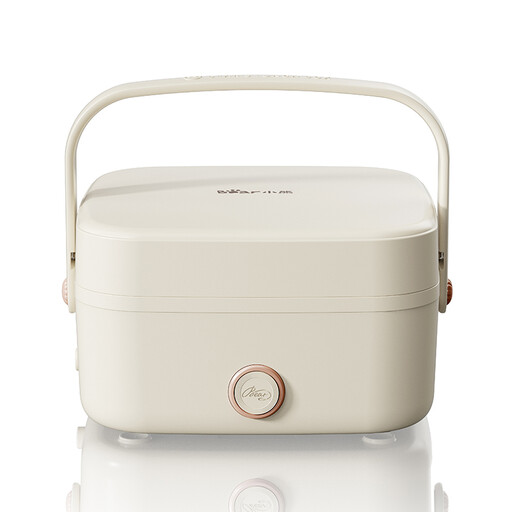
Why This Fits Their Persona: Perfect for anyone with access to a power outlet at the office, school, or a fixed workstation. You don't have to worry about insulation; your meal is heated on the spot to the ideal temperature.
This `electric lunch box` bypasses the entire problem of heat loss. Instead of passively insulating, it actively heats your food. No more lukewarm meals, guaranteed.
Heats to a constant temperature of 70°C without adding water. The inner container with a non-stick coating is removable and easy to clean.
We have compiled a complete, up-to-date list of products that meet these strict selection criteria and safety standards.
How do I keep my food hot the longest in a thermal food container? The trick is to preheat. Fill your thermal food container with boiling water for 5 to 10 minutes before adding your meal. Pour out the water, add the piping hot meal, and seal the lid immediately. Fill the container as much as possible; less air means less heat loss.
Is a stainless steel food container better than plastic? For keeping food hot, a stainless steel food container is the clear winner. Stainless steel is the basis for effective vacuum insulation, is much more durable, and does not absorb odours or stains. Insulated plastic containers are rare and perform significantly worse.
Can an insulated food jar go in the microwave or dishwasher? A metal insulated food jar, and especially a vacuum-insulated model, should never be put in the microwave. This can irreparably damage both the microwave and the container. Whether a model is dishwasher-safe varies by manufacturer. Always check the instructions. It is often recommended to hand-wash the lid to extend the life of the sealing gasket.
