
Vandaag of morgen in huis

Kwaliteit gegarandeerd

Welkomstaanbiedingen ontgrendelen: GRATIS bezorging | Tot 80% korting | Gratis 30 dagen JoyPlus-proefperiode
Download de app
A warm, homemade meal on the go is a small luxury. Whether you're a student facing a long day at university, a professional looking to skip the canteen, or a parent packing a nutritious lunch for a child, a good insulated food jar is essential. But the search for the right model can be frustrating. The market is flooded with products that promise the world but often disappoint in practice.
Before you invest in a new insulated food container, it's wise to be aware of the most common pitfalls. This will help you avoid a bad purchase and a lukewarm lunch.
To avoid these problems, you can focus on a few concrete specifications. These features determine whether a food flask does its job well or not.
Most high-quality insulated food jars use a double-wall construction of stainless steel (SS) with a vacuum in between. This is the core of the insulation.
The right size and shape depend on your eating habits.
The lid is the most vulnerable component. A good lid has a sturdy screw thread and a thick, removable silicone sealing ring. This ring creates the leak-proof seal. Check if the ring is easy to remove for thorough cleaning to prevent odours and bacteria from building up.
Based on these criteria, we have selected a number of products that suit different users.
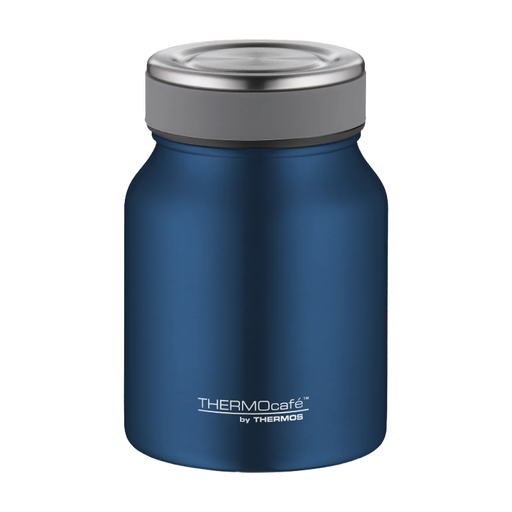
Why This Fits Their Persona: This compact 0.5-litre model is ideal for a single portion of soup or a small meal. It fits easily into a work or school bag without taking up much space, perfect for a daily lunch on the go.
The manufacturer claims its Thermax vacuum insulation keeps food hot for up to 9 hours. The screw-top lid with a silicone ring is designed to be 100% leak-proof, countering the "leak-proof myth." The wide opening avoids the pitfall of an impractical, hard-to-clean design.
According to the manufacturer, this model is fully dishwasher-safe, which simplifies daily maintenance. The 6.5 cm wide opening makes filling and eating easy.
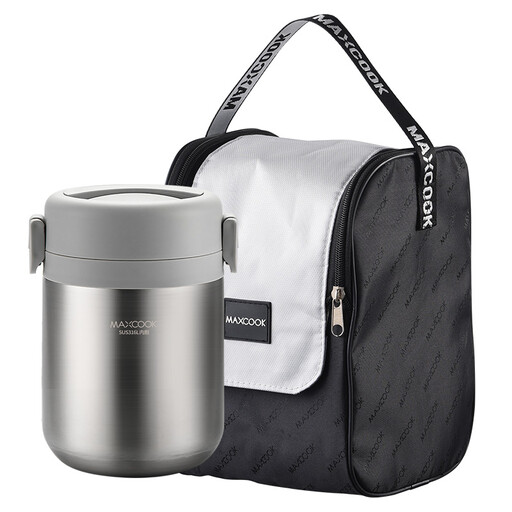
Why This Fits Their Persona: With a generous 1.5-litre capacity, there's plenty of room for a substantial meal, ideal for those with a big appetite or for carrying food for multiple people, such as on a picnic or a family day out.
The manufacturer provides a realistic estimate of 4-6 hours of heat retention, which prevents disappointment from exaggerated claims. The use of 316 SS offers extra durability, and the wide opening makes this large container practical to use and maintain.
Very large capacity (1.5L) for full-sized meals. Comes with a matching insulated carrying bag for added convenience and insulation.
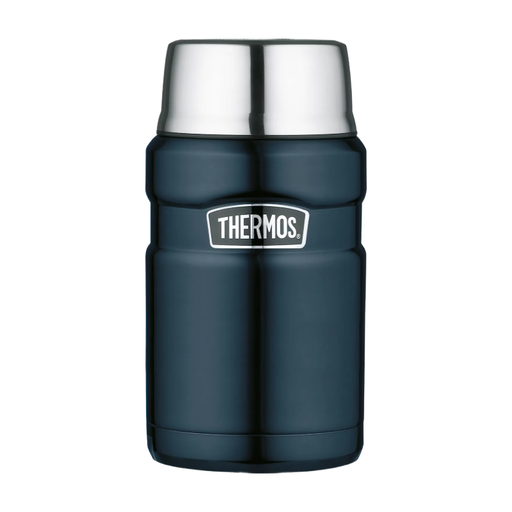
Why This Fits Their Persona: This model is designed for durability and performance, ideal for long hikes, camping trips, or other adventures where you need to rely on your gear. The 0.71L capacity strikes a good balance between capacity and portability.
According to the manufacturer, this model keeps food hot for up to 14 hours, a specific claim that inspires confidence. The robust SS construction is shock- and break-resistant, which prevents a common problem found in cheaper models. The leak-proof seal is designed for reliability on the move.
Long insulation duration (manufacturer's claim) and an untreated SS interior that keeps your food's taste pure. Dishwasher-safe (top rack) for easy maintenance.
We have compiled a complete, up-to-date list of products that meet these strict selection criteria.
The most important tip is to preheat it. Fill the food jar with boiling water for 5 to 10 minutes and close the lid. Discard the water and immediately fill the jar with your hot meal. This heats the stainless steel from the inside, significantly slowing down how quickly your meal cools. Also, make sure to fill the jar as much as possible; less air means less heat loss.
No, a stainless steel food container should absolutely never be put in the microwave. Metal and microwaves are a dangerous combination that can damage your appliance. Whether it can go in the dishwasher varies by model. Some are dishwasher-safe (usually on the top rack), but for many models, hand washing is recommended to protect the vacuum seal and the outer coating. Always check the manufacturer's instructions.
Clean the food jar and its lid immediately after use with hot water and dish soap. Don't let it sit all day with food residue. For stubborn odours, you can let a mixture of water and a spoonful of baking soda soak overnight. Don't forget to remove the silicone sealing ring from the lid and clean it separately. Let all parts air dry completely before storing the jar.
