
Same-day & Next-day Delivery

Quality Guaranteed

Unlock Your Welcome Offers: FREE Delivery | Up to 80% OFF | Free 30-day JoyPlus trial
Download the APP
An insulated food flask is handy for taking soup, pasta, porridge or a stew with you when you’re out and about. But in practice, a purchase can sometimes disappoint. A container may be larger than expected, difficult to clean or less suitable for carrying in a full bag. The right choice depends not just on appearance, but above all on capacity, closure, insulation and care.
A 1.5-litre food flask may seem appealing for several people, but it also takes up more space and adds weight. For one lunch, 470 to 710 ml is often more practical. So think about how much food you’ll actually take with you. A 500 ml food flask will usually fit more easily into a work bag or rucksack than a large food flask.
A screw-top lid with a silicone sealing ring can help prevent spills. Make sure the ring is fitted correctly and the lid is fully tightened. Some product descriptions advise against carrying the container upside down or tilted. So even with a leak-proof food container, it’s important to follow the instructions.
Brands sometimes quote how many hours a container will keep food hot or cold. This depends on the starting temperature, how much food is inside, how often you open the flask and the temperature outside. According to the stated product specifications, for example, Stanley quotes up to 13 hours of heat retention for certain Artisan models, while Thermos gives different figures for various models. Treat these as a guide, not a guaranteed result.
Choose a capacity to suit how you’ll use it:
As well as capacity, check the diameter and height. A wide opening makes filling, eating and cleaning easier, but a wide food jar may take up more room in your bag.
Many models are made from stainless steel, such as 18/8, 18/10, 304 or 316 stainless steel. Double-wall vacuum insulation limits heat transfer to and from the surroundings. However, the grade of steel doesn’t tell you everything about day-to-day use. Also check whether the inside is coated, whether there’s a silicone seal and whether the parts can be removed for cleaning.
An uncoated interior may suit you if you’d rather not have an extra inner layer. According to the product specifications for various Thermos models, the inside is uncoated and designed to preserve flavour. This is a product feature, not a medical or health claim.
A wide opening matters more than many buyers expect. Bits of soup or sauce can get stuck more easily in narrow edges and complicated lids. Also check the dishwasher instructions:
Allow the container and sealing ring to dry completely after washing. This helps reduce lingering smells and moisture around the lid.
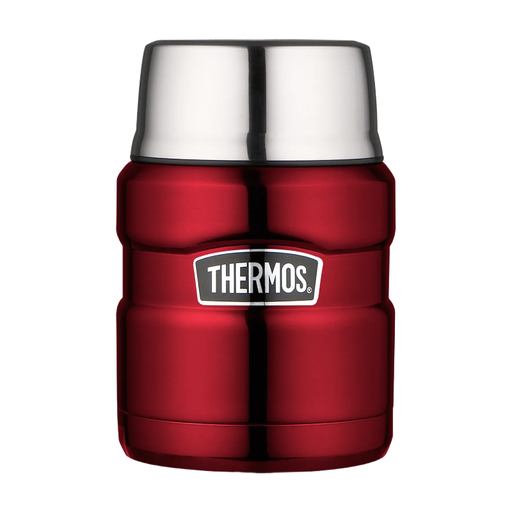
Why it suits this profile: With a 470 ml capacity, this flask is designed for one portion and comes with a built-in spoon. That means fewer separate items to carry to school, the office or on your commute.
The wide, simple screw-top closure has no complicated mechanism. The product information specifies an integrated seal; tighten the lid fully before carrying it.
470 ml capacity, stainless steel body and a spoon included. Hand-washing is recommended.
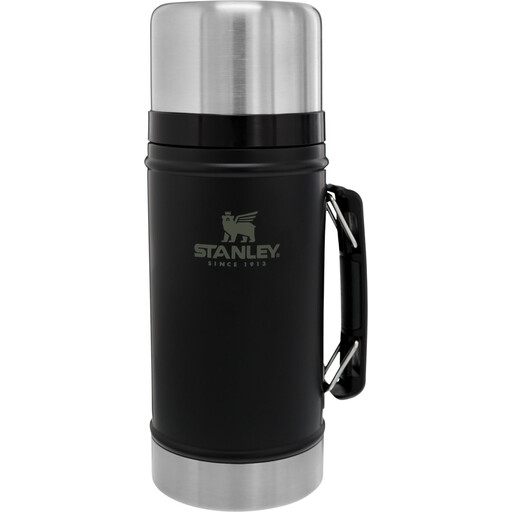
Why it suits this profile: Its 0.94-litre capacity and carry handle make it a good choice for long working days, travelling and outdoor activities when you want to take one large meal or several portions.
The wide opening makes filling and cleaning easier than with a narrow flask. The stated specifications list a leak-proof closure and dishwasher-safe construction.
18/8 stainless steel, double-wall vacuum insulation, a folding handle and a lid that can be used as a cup.

Why it suits this profile: The 1.5-litre capacity is ideal for several portions, camping or a meal for a group. The included lunch bag makes the whole set easier to carry.
The wide opening makes it easier to fill, serve from and clean. The product information specifies a sealing lid, but advises against carrying the container upside down.
316 stainless steel, 1.5-litre capacity, vacuum insulation and a matching lunch bag. Hand-washing is recommended.
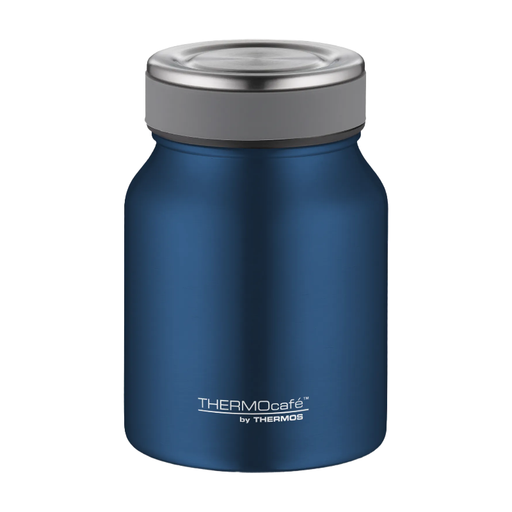
Why it suits this profile: This compact size is designed for one meal and, according to the product information, has a 6.5 cm opening. It’s handy for the office, train journeys and short trips.
The wide opening makes filling and cleaning easier by avoiding awkward corners. The product description lists a silicone sealing ring and screw-top lid.
500 ml capacity, stainless steel construction, a stated leak-proof closure and dishwasher-safe design according to the product information.
We’ve put together a complete, up-to-date list of products that meet these strict selection criteria and the current European safety regulations.
Fill the flask with hot water for a few minutes, put the lid on, then pour the water away. Add your hot food afterwards. For cold dishes, you can do the same with cold water. Don’t fill the container right to the brim, and take care when opening it if the contents are hot.
Its lifespan depends on how you use it, whether it gets dropped, how it’s cleaned and the condition of the sealing ring. Stainless steel is generally suitable for regular use, but a damaged lid or worn seal can affect how well it closes. Replace a part if the manufacturer offers one, and check that the lid closes properly before each journey.
Running costs are usually limited to water, washing-up liquid and any replacement sealing rings. A food flask can be especially handy if you often take soup or hot meals with you. If you mainly carry sandwiches, fruit or dry snacks, a standard insulated lunch box may be all you need.
