
Same-day & Next-day Delivery

Quality Guaranteed

Unlock Your Welcome Offers: FREE Delivery | Up to 80% OFF | Free 30-day JoyPlus trial
Download the APP
An insulated food container is ideal for a hot lunch at the office, soup on a walk or a cold meal on the go. However, choosing the wrong one can quickly become frustrating. A container that looks spacious on the product page may turn out to be too small in practice. A lid described as leakproof can be difficult to clean. And a stated insulation time does not always indicate how warm your meal will stay throughout a working day in the UK.
With these practical checks, you can compare a thermal food container based on capacity, material, closure and care requirements. You will also find several popular options for different situations.
A capacity of 470 ml is suitable for a single portion of soup, porridge or stew. For a large meal, several sandwich alternatives or food for two people, it is often limited. Models with a capacity of 1.4 or 1.5 litres offer more space, but they are also larger and heavier to carry.
So do not just look at the number of millilitres. Also check:
A wide opening is practical in a vacuum-insulated food jar. It is easier to fill, stir and clean than a narrow thermos for hot food.
A leakproof food container depends on the sealing ring, thread and closing mechanism. According to the product descriptions from the relevant brands, Maxcook food jars feature a securely sealing lid design. The same descriptions also state that you should not turn or tilt the jar to prevent spills.
This is an important distinction: a seal may be suitable for normal transport, but that does not mean a container will remain completely leakproof when upside down in every bag. Before buying, check whether:
According to the product information, the silicone air valve on Cooker King models must be opened before opening a container filled with hot food or soup. This allows built-up steam pressure to escape.
A stainless steel food container can be durable, but the lid and sealing ring require extra attention. Food residue around the rim can cause odours and reduce the quality of the seal.
Cleaning instructions vary by product:
An insulated lunch box with lots of separate parts may therefore require more maintenance than a simple soup thermos with a single screw-top lid.
Choose roughly according to when you will be eating:
A larger thermal lunch box will not automatically retain heat for longer. Insulation time depends, among other things, on the design, amount of food, starting temperature and how often you open the container.
304 stainless steel is widely used in food containers and is a practical material choice for everyday use. According to their product descriptions, the Maxcook 304 models and Cooker King sets use this material.
316 stainless steel is used in the 1.5-litre Maxcook models. The product information mentions a vacuum-insulated construction and a wide opening. However, the higher material number alone does not guarantee that the product will perform noticeably better for your needs. Also consider the closure, finish, weight and cleaning instructions.
THERMOS and Stanley models are described as using 18/8 or 18/10 stainless steel, among other materials. These designations refer to the composition of the steel. Also check whether the manufacturer provides information about food-contact materials and usage restrictions. A thermal food container is generally not suitable for a microwave, oven or hob unless the product information explicitly states otherwise.
Brands sometimes give a number of hours for hot or cold contents. According to the product description, for example, Maxcook states that its containers retain their temperature for 4 to 6 hours. Longer times are quoted for other products, including certain Stanley and THERMOS models.
Use these figures as a guide rather than a guaranteed result. For better heat retention, you can:
Extra care is needed with very hot contents. According to the safety information for several models, the contents can remain hot for a long time, and you should leave room for pressure to build up.
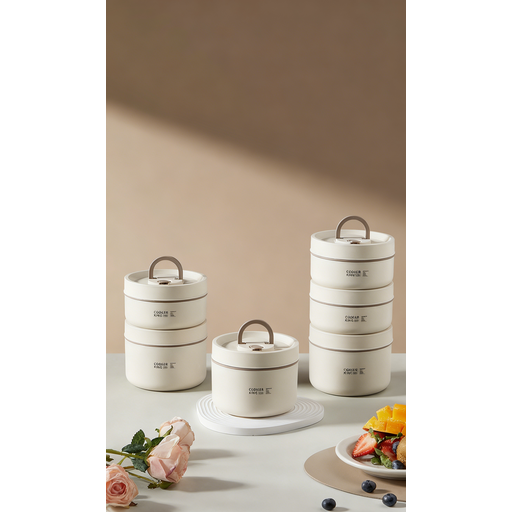
Why it suits this profile: A set with several sizes is useful when you alternate between lunches, leftovers and meal prep.
The product description mentions several containers and a pressure valve for hot dishes. However, check the capacity and closure for each size.
304 stainless steel; according to the product information, the containers are dishwasher-safe.
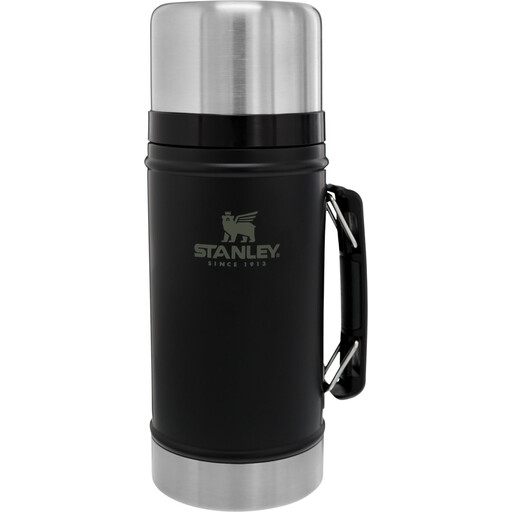
Why it suits this profile: The capacity is ideal for a generous meal during a working day, camping trip or long day outdoors.
The wide opening makes filling and cleaning easier than with a narrow container. According to the product information, the container is leakproof and dishwasher-safe.
0.94-litre capacity; according to the product description, the lid can be used as a cup.

Why it suits this profile: The large capacity is designed for several portions, long days on the go and preparing meals in advance.
The wide opening makes filling, eating and cleaning easier. The product description mentions a leakproof closure, but recommends transporting the jar upright.
316 stainless steel; 1.5-litre capacity; vacuum insulation according to the product information.
We have put together a complete, up-to-date list of products that fully meet these strict selection criteria and the applicable European safety requirements.
An insulated food container remains more practical when you follow the instructions for use. Preheat or cool the container beforehand if recommended by the manufacturer. Do not fill it to the brim with boiling liquids, and check the closure before putting the container in a bag.
Wash the inside with mild soapy water after use. Do not use wire wool or harsh scouring pads on stainless steel. Clean the silicone ring separately and allow all parts to dry completely before closing the lid. This helps prevent lingering odours and makes it easier to check that the seal remains in good condition.
This varies by model and usage. Product descriptions quote 4 to 6 hours for some Maxcook models, for example, and longer times for certain THERMOS and Stanley containers. Preheating, filling the container properly and opening it as little as possible help maintain the temperature for longer. The stated duration is not a guarantee for every meal or ambient temperature.
A stainless steel lunch box can be suitable for soup if the lid seals securely and the manufacturer allows liquid food to be stored inside. A wide food jar or soup thermos is usually more practical for this purpose. Always check whether a pressure valve is needed, and open a container of hot soup carefully.
Rinse the container immediately after use, remove the sealing ring if possible and clean the rim of the lid separately. Leave everything open and allow it to dry completely. Follow the manufacturer’s care instructions, as not every lid or seal is dishwasher-safe.
