
Vandaag of morgen in huis

Kwaliteit gegarandeerd

Welkomstaanbiedingen ontgrendelen: GRATIS bezorging | Tot 80% korting | Gratis 30 dagen JoyPlus-proefperiode
Download de app
Instant noodles are a convenient choice for a quick meal at home, at the office or as a late-night snack. Yet the range is often more complex than it first appears. Asian instant noodles vary considerably in preparation method, spice level, portion size, allergens and nutritional values. An appealing package or familiar brand name therefore does not tell the whole story.
This practical buying guide helps you compare ramen, Korean ramen, Chinese noodles, Japanese instant noodles and noodle snacks using verifiable product information.
A multipack of instant noodles can offer good value, but always check the total weight and the number of individual packs. Five packs of 84 grams are not the same as five 100-gram servings. Convert the price to price per serving before comparing products.
A larger pack is particularly practical if you already know you like the flavour, want to build up a useful supply or eat noodles regularly. For a first taste, buying a single pack is often the smarter choice.
Spicy noodles may be served dry, prepared as soup or combined with separate chilli and vinegar sachets. The intensity also depends on how much sauce or oil you use. Yuanxianxian Fragrant and Spicy Sweet Potato Noodles, for example, include separate sachets for sauce, vinegar, chilli oil and vegetables. This allows you to adjust the flavour to some extent.
Pay close attention to the preparation method for Korean ramen and Sichuan-style noodles. With dry varieties, you generally need to drain the cooking water. Adding all the sauce creates a more intense flavour than using only part of it.
Product names and marketing copy are no substitute for the ingredients list. Always check:
Nongshim Soon Veggie Ramyun is described as vegetarian in the product description, but the ingredients information lists wheat and soy, among other ingredients. The Bai Xiang packaging includes “Halal Food” in the product name; before purchasing, check the current packaging and certification mark.
The preparation method determines whether a product suits your situation:
Also check how much water is required. Bai Xiang specifies 500 ml of boiling water and a preparation time of 3 to 4 minutes. Baijia A’KUAN Broad Noodle uses a wider noodle and, according to the product information, should be steeped for 5 to 6 minutes.
Start by choosing the flavour profile, then select the brand. A few practical categories include:
The nutritional values shown are generally listed per 100 grams. A serving, however, may weigh 70, 100, 112, 137 or 140 grams. Do not compare only the figures per 100 grams; also consider how much you will actually eat.
Some varieties contain relatively high levels of salt. The Bai Xiang packaging, for example, lists 6.1 grams of salt per 100 grams, while Nongshim Shin Ramyun Toomba lists 2.5 grams per 100 grams. These are product specifications based on the supplied product information, not personal dietary advice. If you are monitoring your salt intake, you may choose not to use all the seasoning sachets, but always check the preparation instructions and label.
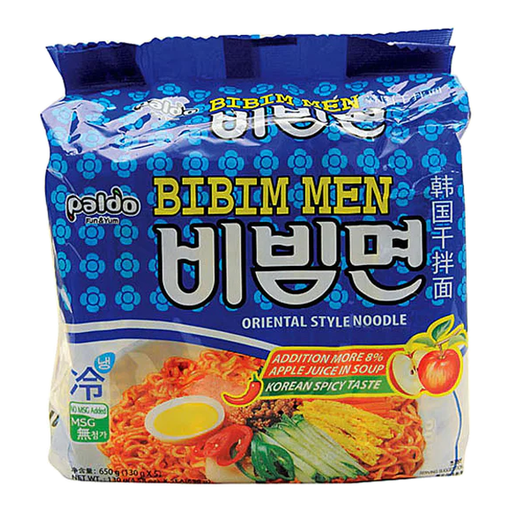
Why it’s a good fit: A multipack for students, households and anyone who wants several portions readily available.
The number of servings and total weight are clearly stated, making it easy to calculate the price per serving.
130 grams per pack; prepare in boiling water for 3 to 4 minutes, then drain and mix.
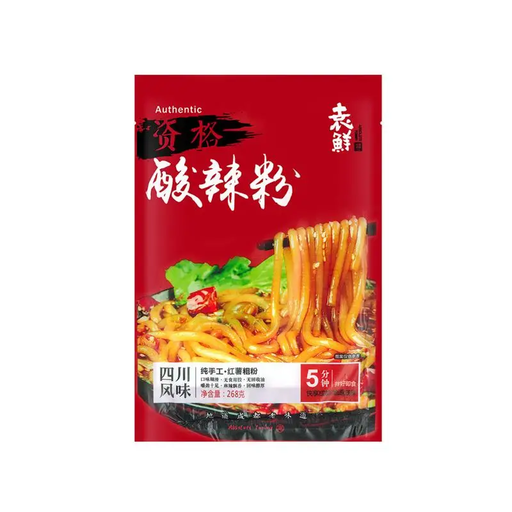
Why it’s a good fit: For anyone looking for Chinese noodles with a tangy, aromatic and spicy flavour in a substantial quick meal.
The chilli oil is provided separately, so you can control the heat instead of adding all the seasoning at once.
268 grams of contents, with sweet potato noodles and separate sachets of sauce, vinegar, chilli oil and vegetables.
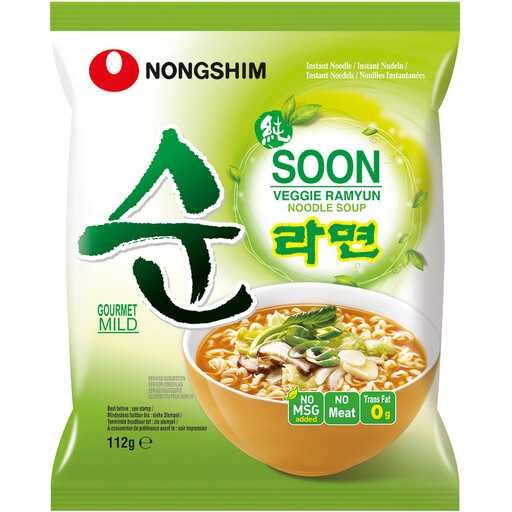
Why it’s a good fit: A Korean ramen option for anyone looking for a product free from meat ingredients.
The product description states that it has a vegetarian composition; nevertheless, always check the allergens and current packaging.
According to the product information, it contains dried bok choy and carrot; the listed allergens are wheat and soy.
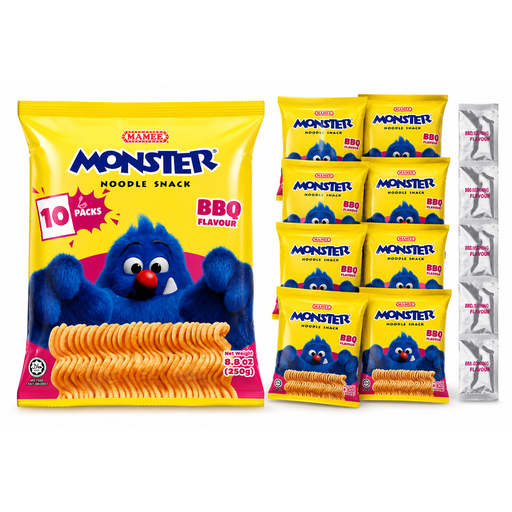
Why it’s a good fit: Practical for desk drawers, parties, lunchboxes and moments when cooking is not an option.
This is clearly a dry snack rather than a meal noodle. You can therefore choose the right product for the occasion.
Ten 25-gram portions; ready to eat without water, a pan or a microwave. The product information specifies a BBQ flavour.
Browse a current selection of snack noodles and other convenient Asian noodle products. For each product, check the ingredients, allergens, preparation method and best-before date.
Instant noodles are generally intended as a base. Try adding egg, tofu, bok choy, sweetcorn, spring onion or frozen vegetables. A little sesame oil or extra vegetables work well with dry noodles, while soup noodles benefit from stock or fresh herbs.
Remember that additional ingredients change the total preparation time and nutritional value. With spicy noodles, start by using only part of the sauce and add more later if desired.
The exact best-before date is printed on the packaging. Store unopened noodles in a cool, dry place away from direct sunlight. Do not use a pack if it is damaged. Once opened or mixed, some products should be consumed immediately, so follow the instructions on the label.
Yes, but choose a preparation method that works for your workplace. Products that only require boiling water are convenient when there is no kitchen available. Paldo Bibimmen needs to be rinsed and mixed after steeping, while Mamee Monster is eaten straight from the pack.
That depends on the product. Some varieties are marketed as vegetarian or halal, but always check the ingredients list, allergen information and any certification marks on the current packaging. A flavour name such as chicken or beef may also refer to blended flavourings, so look beyond the front of the pack.
