
Vandaag of morgen in huis

Kwaliteit gegarandeerd

Welkomstaanbiedingen ontgrendelen: GRATIS bezorging | Tot 80% korting | Gratis 30 dagen JoyPlus-proefperiode
Download de app
Instant noodles are convenient for a quick meal, late-night snack or well-stocked cupboard. However, instant ramen, Asian noodles and cup noodles can vary considerably in size, preparation, spiciness, salt content and allergens. Eye-catching packaging or a low price does not tell you enough about what you will receive.
With this practical guide, you can focus on the points that most often lead to disappointing purchases in the Netherlands.
A box containing 20 or 30 packs may appear attractively priced. So do not just compare the total price. Also check:
For example, a cup noodles pack may contain 80 to 100 grams, while a ramen sachet often weighs 100 to 140 grams. A multipack is particularly practical when you already know you like the flavour and will use the stock in good time.
The flavour name often refers to a seasoning blend or flavouring. For example, the OYAKATA Japanese Beef Wasabi Cup lists 0.7% beef flakes. This is useful information when you want to compare the contents with the flavour promise.
So read the ingredients list and check whether it contains:
According to the product information for Nissin Demae Ramen Beef, the flavour base includes seasonings, soya sauce powder and beef flavouring. This makes the product suitable for beef ramen lovers, but it does not indicate a high beef content.
Spicy noodles from Korea, such as Buldak and other Korean ramen varieties, can differ considerably in intensity. Product information does not always include a standardised scale. Look out for words such as “spicy”, “hot chicken”, chilli extract and red pepper in the ingredients list.
If you prefer less heat, you could choose miso, beef or a mild noodle soup. If you are unsure, a smaller pack is more sensible than ordering a large ramen bulk pack straight away.
A sachet of instant noodles is usually prepared in a saucepan. With cup noodles, you often pour hot water directly into the cup. Check:
Nissin Demae Ramen Spicy Beef states a preparation time of approximately three minutes with boiling water. Baixiang Classic Braised Beef Cup states approximately four minutes. Always follow the instructions on the current packaging.
Instant noodles often contain wheat and gluten. Soya, milk, mustard, celery, fish, crustaceans, peanuts and sesame are also common. Check the ingredients list if you need to take allergens into account.
Examples from the product information mentioned above:
You should also check a product labelled halal instant noodles against the current packaging and any certification information. Do not rely solely on the product title. Check the ingredients and certification mark as well.
Nutritional information is usually provided per 100 grams. This makes comparisons straightforward, provided you take the portion weight into account. The product information supplied shows clear differences in salt content. For example, Nongshim Kimchi lists 11.3 grams of salt per 100 grams of dry product, while OYAKATA Japanese Beef Wasabi lists 2.279 grams per 100 grams.
Pay attention to the correct unit:
The stated nutritional values may change depending on the market or packaging. Therefore, use the packaging as your final check before ordering or preparing the product.
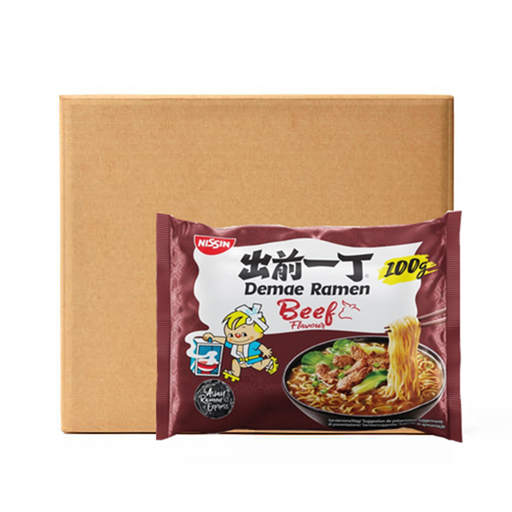
Why it suits this profile: A box containing 30 sachets of 100 grams is practical for students, families or anyone who regularly eats instant ramen.
The fixed number of sachets and weight per sachet make the price per portion easier to assess than with mixed packs.
30 portions, 100 grams per sachet and a preparation time of approximately three minutes according to the product information.
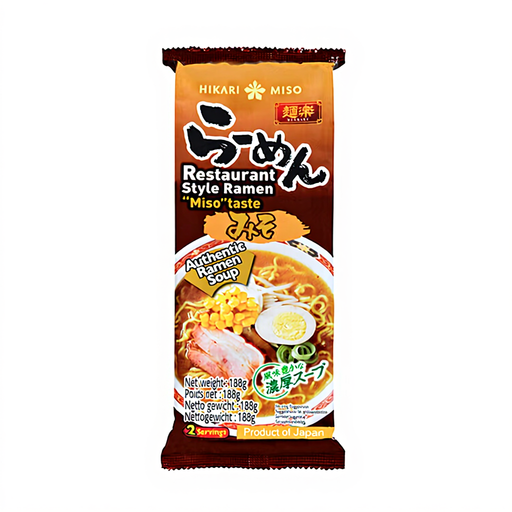
Why it suits this profile: The miso flavour is ideal for anyone looking for a savoury Japanese-style ramen variety and wanting to compare nutritional values and ingredients in advance.
The product information clearly lists wheat, soya and sesame, and provides values per 100 grams, allowing you to make a more informed comparison.
188-gram pack, miso soup base and 15.5 grams of protein per 100 grams according to the stated nutritional information.
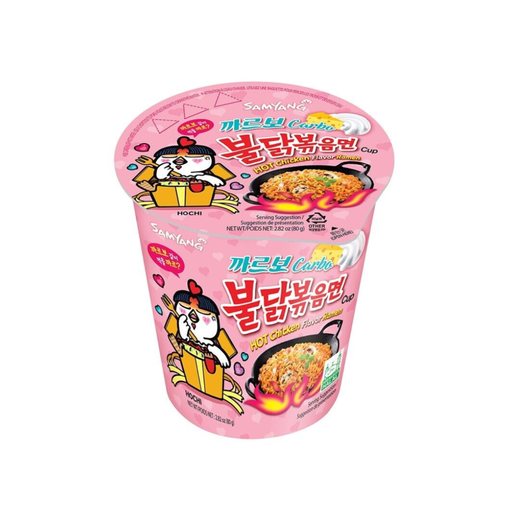
Why it suits this profile: The small bowls are aimed at spicy noodle lovers who want a creamy carbonara flavour and quick preparation.
The portion size of 80 grams per bowl is clearly stated. This means you will not accidentally order a large supply of an extremely spicy variety.
6 bowls of 80 grams, carbonara powder and a chilli sauce according to the product description.
We have put together a complete, up-to-date list of products that fully meet these strict selection criteria and the applicable European safety regulations.
If you are looking for halal instant noodles, Baixiang Homestyle Chicken Soup Noodles and Baixiang Halal Spicy Beef Noodle Soup are practical options to compare. The product information lists these varieties as halal, but check the certification mark and current packaging when your order arrives.
Those looking for kimchi noodles can choose between a pack of 6 or a bulk box of 20 Nongshim Kimchi products. Pay attention to the difference in stock levels and the listed allergens, including soya and, in some varieties, fish ingredients.
For Thai flavours, MAMA Creamy Tom Yum offers a variety containing prawns, lime and chilli. This is not suitable if you need to avoid crustaceans or milk. Chinese noodles, such as Baixiang beef or pork bone broth varieties, often contain several sachets of oil, soup base and vegetables. This can mean more preparation steps, but it also gives you greater control over the additions.
Follow the instructions on the packaging. Usually, you add boiling water and leave the noodles to stand for three to five minutes. Some varieties need to be cooked in a saucepan. Add the sauce, oil and seasonings in the order indicated.
The best-before date is shown on the packaging. Store unopened instant noodles in a cool, dry place away from direct sunlight. Do not use a product if the packaging is damaged, and check the date on each individual pack in multipacks.
That depends on how often you eat them and how much storage space you have. A bulk ramen pack makes sense if you eat a particular flavour regularly. For a new flavour, a small pack or cup noodles is a safer choice. Always compare the price per 100 grams, the number of portions and the best-before date.
