
Vandaag of morgen in huis

Kwaliteit gegarandeerd

Welkomstaanbiedingen ontgrendelen: GRATIS bezorging | Tot 80% korting | Gratis 30 dagen JoyPlus-proefperiode
Download de app
Fancy a bowl of creamy Japanese noodle soup but don’t have hours to simmer stock? With instant tonkotsu ramen, you can usually have a warm meal on the table in just a few minutes. That said, ramen products vary widely in noodles, portion size, flavour and preparation method.
The packaging might promise ramen with a rich pork-bone broth, yet the product itself often turns out to be mostly salty soup mix and fried noodles. If you compare carefully, you’ll avoid a disappointing purchase and choose a variant that suits home cooking, work, travel or a family store cupboard.
“Tonkotsu” refers to the style of broth, traditionally associated with pork bones. With instant ramen, however, the flavour can also come from a pork bone flavour, aromas, yeast extract and other seasonings. So check the ingredients list rather than just the front of the packet.
Some products combine pork bone flavour with chicken, soya, garlic or miso. That’s not necessarily a problem, but it is important if you’re after a specific taste or want to avoid certain ingredients.
A 5-pack of ramen or a box with multiple portions is practical, but look at the weight per serving and the preparation method. A smaller pack might contain a complete cup with vegetables and extra sachets, whereas a multipack mainly includes noodles and soup base.
Also pay attention to the best-before date and storage space. Instant ramen generally needs to be kept cool, dry and out of direct sunlight.
With some Japanese instant ramen, the noodles aren’t fried. That can give a different texture and a lower fat content in the noodles themselves. However, the final nutritional values also depend on the soup base, oil and toppings.
So compare the nutritional information per 100 grams and per serving. Pay particular attention to salt, fat and serving size. The values on the label are what matter.
Instant tonkotsu ramen is available with thin ramen noodles, thicker udon-style noodles, and both fried and non-fried varieties.
Check whether you only need to pour boiling water over the product or whether you need to cook it in a pan. The preparation time for the products mentioned is between roughly 2.5 and 6 minutes.
A classic tonkotsu style has a full, savoury flavour. A miso tonkotsu ramen adds fermented soya bean paste, while tomato gives a fresher, slightly tangy taste. If you like bold flavours, you can go for spicy tonkotsu ramen with chilli, garlic or pepper.
If you have allergies, always read the current packaging. In this product group, you’ll find wheat, gluten, soya and sesame among others. Some variants also mention egg, milk, chicken or pork. An online product description is useful as a first check, but the label on the packaging is definitive.
A 138g cup is handy for taking on the go or to the office: add water, leave to stand and mix in the soup base. A 5-pack is better suited to a household that eats ramen regularly. Also look at the contents of the individual sachets:
That way you’ll know in advance how much you still need to add yourself. An egg, spring onion, pak choi, sweetcorn or slices of chicken can top up a bowl of ramen, but they’re usually not included.
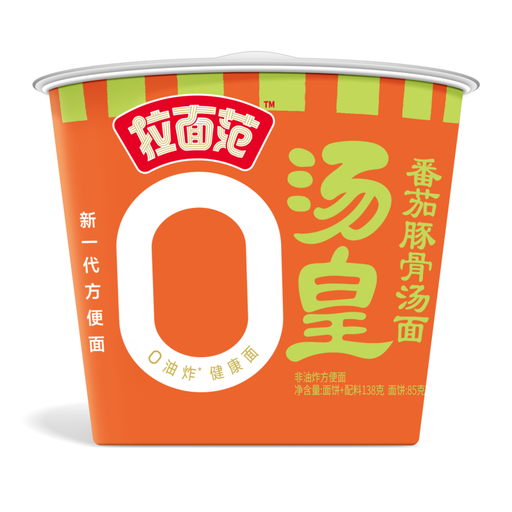
Why this fits the profile: The cup is ideal if you’re trying instant tonkotsu ramen for the first time and don’t have a pan or extra ingredients to hand. Just add boiling water and leave the product to stand for 3 minutes.
The product information lists separate noodle, soup, vegetable and seasoning sachets. So you know exactly what you’re getting upfront. Do note the allergens present: wheat, soya and sesame.
Tomato flavour with tonkotsu style, non-fried wheat noodles and a preparation time of around 3 minutes in a cup.
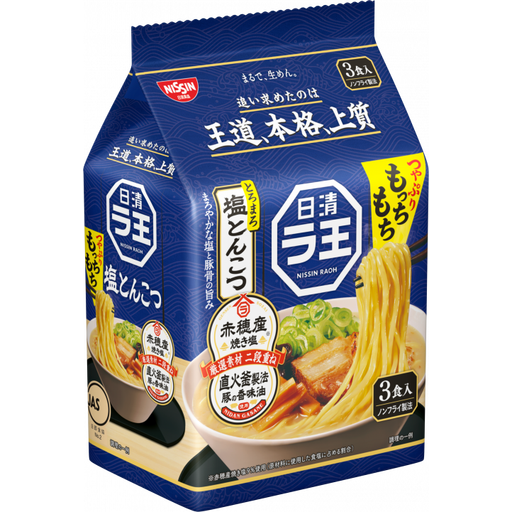
Why this fits the profile: This pack contains three portions and is aimed at enthusiasts who want to check ingredients and nutritional values in detail beforehand.
The composition lists wheat, egg, milk, sesame, soya, chicken and pork among others. That makes checking easier, but it’s unsuitable for people who avoid these ingredients.
Three portions, not just a flavour powder but also pork seasoning, pork flavour oil and lard in the described soup base.
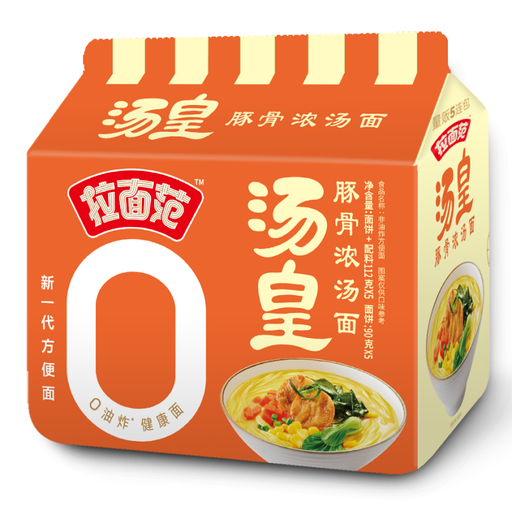
Why this fits the profile: The five individual portions are practical for households that want to keep ramen in stock for regular home use or serve multiple people.
The packaging states five portions of 112g and a preparation method using boiling water with a resting time of around 3 minutes. This helps you estimate stock levels and portion sizes more accurately.
Non-fried noodles, oil and vegetable sachet, plus a tonkotsu soup base with garlic and chilli according to the product information.
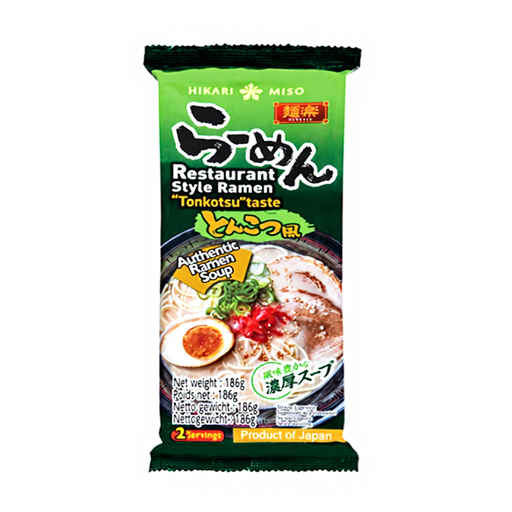
Why this fits the profile: According to the product description, this Japanese ramen combines miso with tonkotsu flavour and is designed for quick preparation at home.
The product information explicitly mentions the ingredients and allergens: wheat and soya; possibly also egg and sesame. Check the packaging at the time of purchase.
Made in Japan according to the available product information, with wheat noodles, miso and pork extract in the soup base.
We’ve put together a full, up-to-date list of products that fully meet these strict selection criteria and comply with current European safety regulations.
Follow the instructions on the packet. With a cup, you usually add the vegetables, pour boiling water up to the indicated line and leave the noodles to stand for a few minutes. Add the soup base at the specified point and stir well. Some varieties need to be cooked in a pan.
The best-before date is on the packaging. Store unopened instant ramen in a cool, dry place, away from heat, moisture and direct sunlight. Check a packet for damage before use and follow the manufacturer’s instructions after opening.
That depends on the price per pack, the weight and the contents. A 5-pack often contains individual portions and is practical for regular use. A cup may include extra vegetable or seasoning sachets and is more convenient for taking on the go. So compare the price per serving, not just the total price.
