
Vandaag of morgen in huis

Kwaliteit gegarandeerd

Welkomstaanbiedingen ontgrendelen: GRATIS bezorging | Tot 80% korting | Gratis 30 dagen JoyPlus-proefperiode
Download de app
A bowl of instant tomato beef noodles might seem simple to choose, but the differences between packs are significant. Some products contain only a seasoning powder, while others include a separate tomato sauce, vegetables, beef flavour or even a meat component. The noodle texture, preparation method and salt content also vary widely.
For British shoppers, these are the key pitfalls to watch out for:
The noodle largely determines how the meal feels. Look out for the difference between:
If you're after a firm texture, look for products with wheat flour and wheat gluten as key ingredients. With instant tomato soup noodles, the preparation method also matters: draining and then adding the sauce gives a different texture to cooking everything together in the pan.
Check the composition of the soup base. A percentage of tomato purée or tomato sauce gives more information than just the name on the front. The products in this selection range from tomato purée in the soup sachet to tomato powder and a separate sauce.
With tomato beef ramen, it's useful to check whether:
With the Hefu variant, the product specification states a sachet of stewed beef with a declared meat content of 75%. Other Chinese instant noodles use beef flavouring or beef-style seasonings without a separate piece of meat.
Compare the net weight per portion, not just the number of sachets. A ramen 5-pack of 98g per sachet is a different purchase from a pack of 131g or 242g per portion.
Also pay attention to the nutritional information per 100g. In the product information for the variants mentioned, the salt content ranges from around 2.5g to more than 6g per 100g. That makes it wise to check the label rather than relying solely on the flavour name.
Common allergens include:
Always check the packaging if you have allergies or intolerances. Recipes and packaging can change.
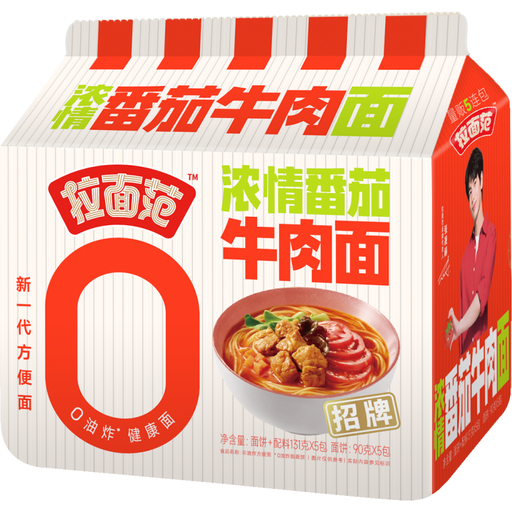
Why this fits the profile: A straightforward multi-pack with five portions and a preparation time of around 3 minutes, ideal for stocking up at home, in the office or in a student room.
The number of portions and the weight per sachet are clearly stated. The ingredients list also shows that the beef flavour comes from seasonings.
5 x 131g, non-fried noodles according to the product description, and a separate vegetable and soup component.
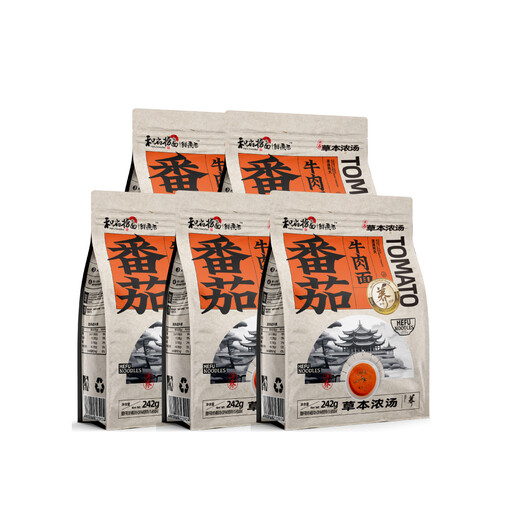
Why this fits the profile: For those who value a larger portion, semi-dry noodles and a separate beef component.
The product specification distinguishes between noodles, tomato soup, stewed beef and vegetables. This makes it clearer what the meal contains.
5 x 242g, 40% tomato purée in the soup according to the label, and a beef component with a declared meat content of 75%.
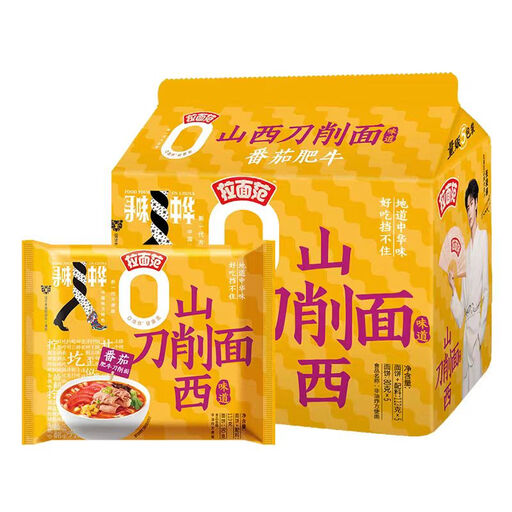
Why this fits the profile: A choice for fans of broad, thick noodles with a firm bite and multiple flavour sachets.
The packaging lists separate sauce, powder, vinegar and vegetable sachets. Preparation is done in a pan with approximately 550ml of water.
5 portions of 113g, broad noodles and a tomato beef soup with tomato purée according to the product specification.
Follow the instructions on the packaging. With semi-dry noodles such as Hefu, you typically cook the noodles first and heat the sealed soup and beef sachets separately. With many Lamianfan variants, you add boiling water, leave it to stand for around 3 minutes and add the soup later.
For extra flavour, you can add spring onion, pak choi, a boiled egg or fresh coriander yourself. Bear in mind that an extra egg or sauce will change the nutritional value and allergens of the complete meal.
We've put together a full, up-to-date list of products that fully meet these strict selection criteria and comply with current European safety regulations.
It varies by type. Generally allow 3 to 5 minutes for semi-dry or dried noodles. Cup variants often need around 3 minutes of steeping time with boiling water. Always check the preparation instructions on the specific product.
Not always. Some variants contain beef, pork broth, chicken flavouring or animal-derived seasonings. The term "beef flavour" alone doesn't give enough information. Check the full ingredients list and allergen information.
Unopened instant noodles can usually be stored at room temperature in a cool, dry place, away from direct sunlight. The exact best-before date is on the packaging. Once opened, prepared noodles should be eaten immediately.
