
Vandaag of morgen in huis

Kwaliteit gegarandeerd

Welkomstaanbiedingen ontgrendelen: GRATIS bezorging | Tot 80% korting | Gratis 30 dagen JoyPlus-proefperiode
Download de app
Fancy a quick bowl packed with spicy, sour and aromatic flavours? With instant tom yum noodles, you can enjoy a Thai- or Korean-inspired meal at home in just a few minutes. Yet many packs look more alike than they really are. The differences often lie in the noodle base, seasoning sachets, allergens and quantity per pack.
If you choose based solely on a striking image of prawns or chilli, you may end up with a product that is less suitable for your diet, too large for occasional use or more expensive per portion. Below, we explain what to look out for when choosing Thai instant noodles, Korean instant noodles and varieties such as creamy tom yum noodles.
A pack featuring prawns, lime or lemongrass does not automatically mean that it contains large quantities of these ingredients. Check the ingredients list and allergen information. Some products use flavourings, prawn powder or small amounts of dried pieces instead.
For example, MAMA Shrimp Tom Yum products list ingredients including prawns, crustaceans or fish. The exact composition may vary between variants. Always check the individual pack, particularly if you have an allergy or intolerance.
One spicy noodle variety may rely mainly on chilli powder, while another combines a sour, aromatic tom yum base with lemongrass, lime and galangal. The flavour also depends on how much water you use and whether you add all the chilli or oil sachets.
A practical option is a product with separate seasoning sachets. This allows you to adjust the intensity to some extent. With a particularly aromatic variety, it is sensible to add only part of the chilli powder at first.
A noodle box containing 20 or 30 portions can be handy for students, kitchen cupboards and households where instant ramen is eaten regularly. For occasional use, a five- or single-serving pack may make more sense. Compare the price per portion, net weight and best-before date.
Also consider the packaging: cups are convenient at the office or on the go, while individual sachets take up less space and are often suitable for preparation in a bowl or saucepan.
Many Korean noodles and traditional instant ramen products are made with wheat flour. This often gives them a firm, springy texture. If you want to avoid gluten, look for rice noodles and check the allergen information carefully.
According to the product information, Jub Jub Instant Rice Noodles Tom Yum are made with rice and tapioca flour and are offered as a gluten-free option. However, check the current packaging and any cross-contamination warning when purchasing.
Classic tom yum noodles combine sour, spicy and aromatic flavours. Ingredients such as lemongrass, lime, galangal and chilli define their character. Creamy tom yum noodles often contain creamer, milk protein or coconut-like notes. This gives the broth a milder flavour, but may introduce additional allergens.
If you are looking for a prawn flavour, distinguish between real dried prawns, prawn powder and flavouring alone. Check the ingredients list rather than relying solely on the product name.
Check how much water is required and how long the noodles need to stand or cook. Product instructions range from around three minutes with boiling water to four or five minutes of cooking in a pan. A 55 or 70 g portion is usually different from a 90, 120 or 123 g sachet.
Always follow the preparation instructions on the packaging. When using cups, take care with boiling water to prevent spills and burns.
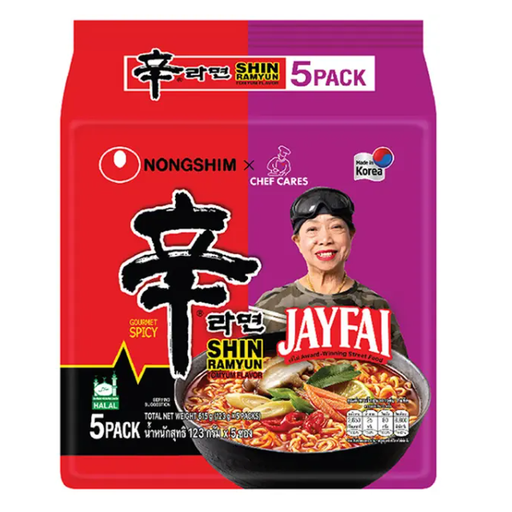
Why it suits this profile: The five individual portions are a straightforward choice for anyone who wants to try tom yum noodles without immediately buying a large supply.
The smaller pack helps to minimise waste and makes comparison easier. Check the listed allergens, such as wheat and soya.
Five individual sachets, approximately 120 g per portion and a stated preparation time of just a few minutes.
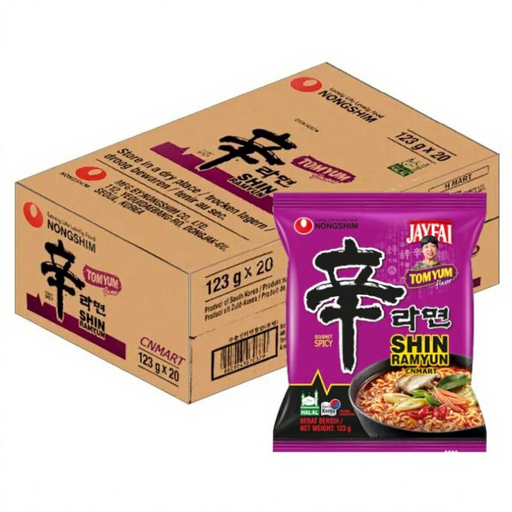
Why it suits this profile: The firm wheat noodles and large box are ideal for enthusiasts looking for a generous portion and a reliable supply.
The contents are clearly specified as 20 individually wrapped portions. Check the best-before date and allergens on the sachets before buying.
20 portions of 123 g, dried vegetables and preparation guidance of approximately four to five minutes.
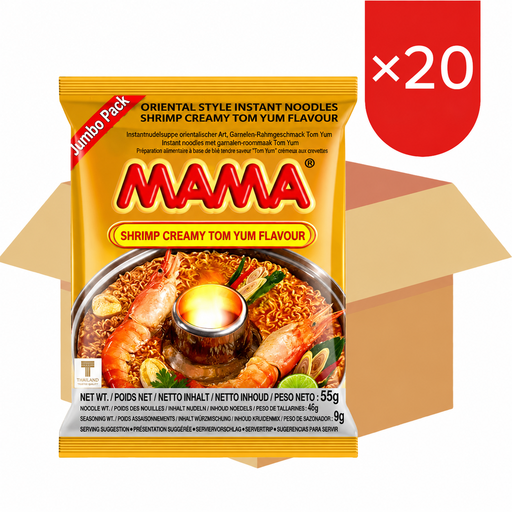
Why it suits this profile: This bulk pack is practical for households, student homes and frequent eaters of creamy prawn noodles.
The product states that it contains 20 sachets of 90 g, so you can assess the supply and portion size in advance. It contains ingredients including gluten, soya, milk and crustaceans.
Creamy tom yum flavour, prawn profile, 20 individual portions and a stated preparation time of approximately three minutes.
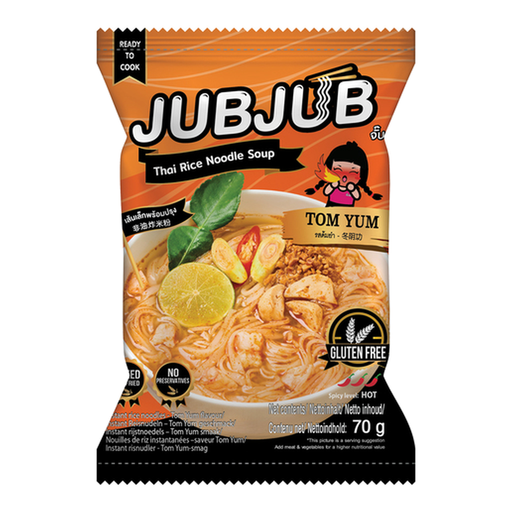
Why it suits this profile: The rice noodle base is an alternative to wheat noodles and suits shoppers who are specifically watching their gluten intake.
The product information mentions rice and tapioca flour rather than wheat flour. Nevertheless, check the current packaging and allergen declaration.
70 g rice noodles, tom yum seasoning including chilli, lime and lemongrass, and preparation in approximately three minutes.
We have put together a complete, up-to-date list of products that fully meet these strict selection criteria and the applicable European safety regulations.
No. The level of heat varies between brands and varieties. Tom yum flavour often includes chilli, but creamy varieties may taste milder. The amount of chilli powder or oil from the sachets affects the intensity. Check the product description and add the seasoning gradually.
The shelf life is stated on the individual pack or outer box. With a bulk pack, it is sensible to check the date on all the sachets. Store the noodles in a cool, dry place away from heat and moisture. Once prepared, it is best to consume the product immediately.
Rice noodles can be a suitable alternative to wheat-flour noodles. The Jub Jub variant is described as gluten-free in the product information, but always check the current ingredients list and allergen information. “Rice noodles” alone do not guarantee that there has been no cross-contamination.
