
Vandaag of morgen in huis

Kwaliteit gegarandeerd

Welkomstaanbiedingen ontgrendelen: GRATIS bezorging | Tot 80% korting | Gratis 30 dagen JoyPlus-proefperiode
Download de app
Fancy instant tom yum noodles, but finding your way through all the Thai instant noodles, prawn flavours and multipacks is proving difficult? The packaging often promises a rich broth, authentic Thai aromas or a creamy tom yum flavour. However, the front of the pack does not always tell you enough about the ingredients, serving size or allergens.
So pay particular attention to these three common pitfalls:
The noodles largely determine the texture and how well they suit your diet. Instant rice noodles are generally light and soft. JUBJUB Tom Yum 70 g uses rice flour and tapioca flour. According to the product description, it is a gluten-free option; if you have an allergy or intolerance, always check the current packaging and product information.
Traditional instant ramen, such as Nongshim Shin Ramyun Tomyum, is made with wheat flour. These noodles are generally firmer and more elastic. If you need to avoid gluten, do not just look at the flavour name: check the allergen information carefully.
Tom yum is known for its combination of sour, aromatic and spicy flavours. Ingredients such as lime, lemongrass, galangal and chilli create its distinctive character. The exact balance varies from one brand to another.
A classic spicy variety often has a sharper sour and spicy profile. Creamy tom yum noodles usually contain creamer, milk protein or a similar ingredient. For example, MAMA Shrimp Creamy Tom Yum lists creamer and milk protein among its ingredients. According to the product description, the flavour is creamy and mildly spicy, although individual tastes may vary.
Would you like more control over the heat? Choose a product with a separate chilli sachet, such as the Acecook variant described above. This allows you to adjust the amount of seasoning.
A 55 to 70-gram sachet is handy as a snack or light meal. A 90 to 123-gram pack generally provides a larger serving. With multipacks, it is useful to divide the total weight by the number of sachets so you can compare an instant noodle box more fairly.
Also pay attention to:
Product information may vary depending on the packaging or imported version. Before eating, always check the label, best-before date and preparation instructions.
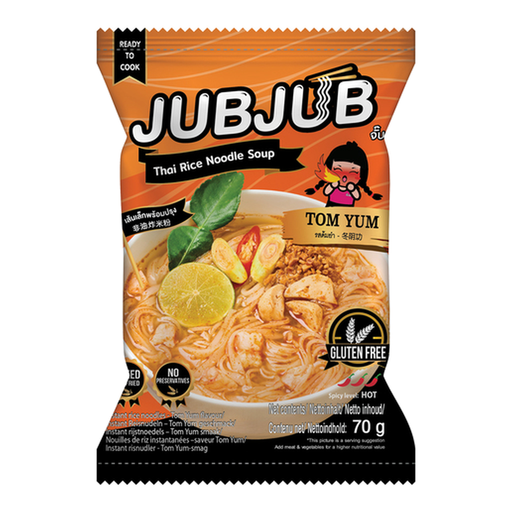
Why it suits this profile: A straightforward serving of rice noodles for anyone trying tom yum for the first time or looking for a quick meal without wheat noodles.
The product description lists rice flour, tapioca flour and a seasoning base with chilli, lemongrass, galangal and lime. Check the current packaging for allergen information.
70 g per pack, prepared with approximately 400 ml of water and ready in around 3 minutes according to the instructions.
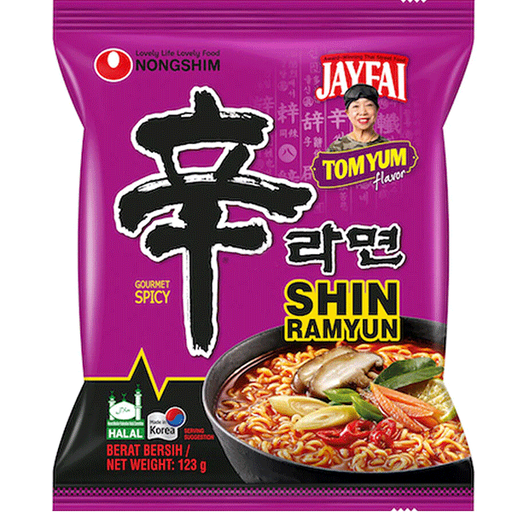
Why it suits this profile: The larger serving and firm wheat noodles are ideal for ramen enthusiasts looking for a full, aromatic bowl.
The listing specifies a separate seasoning mix, tom yum sauce mix and dried vegetables. The allergen list includes wheat, soya, fish and shellfish, among others.
123 g per pack, with a stated cooking time of approximately 4 to 5 minutes and dried vegetables included in the mix.
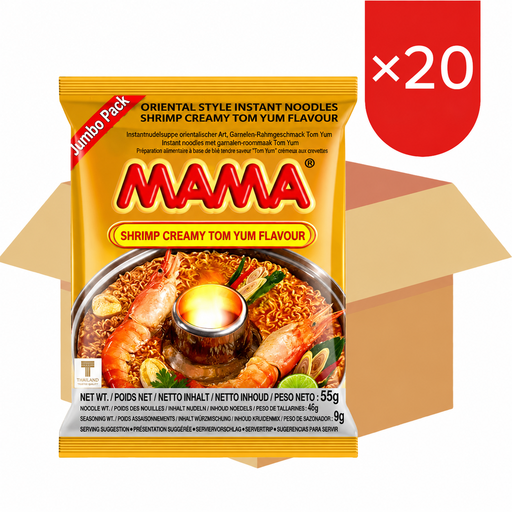
Why it suits this profile: A bulk pack for households, student accommodation or busy working days when you want a quick bowl of noodles.
The packaging states that it contains 20 individual 90 g servings. The product information describes a creamy prawn flavour, but it also contains wheat, soya, milk and shellfish.
Bulk pack, 90 g per sachet and a preparation time of approximately 3 minutes according to the product description.
We have put together a complete, up-to-date list of products that fully meet these strict selection criteria and the applicable European safety regulations.
The exact preparation method varies from pack to pack. In most cases, follow these steps:
When using a cup, never add more water than the fill line. For a sachet, the amount is often around 360 to 400 ml, but always follow the label.
No. The intensity varies by brand and variety. A creamy version may taste milder, while a chilli or sauce sachet can add extra heat. If you prefer, start with only part of the chilli sachet.
Not without checking first. Products with prawn flavour may contain shellfish, fish, soya, milk or wheat. Read the current allergen information on the packaging and, if in doubt, do not take the risk.
Unopened noodles generally keep until the date shown on the packaging, provided they are stored in a cool, dry place away from direct sunlight. Check the packaging when it arrives and do not use a product if the packaging is damaged.
