
Same-day & Next-day Delivery

Quality Guaranteed

Unlock Your Welcome Offers: FREE Delivery | Up to 80% OFF | Free 30-day JoyPlus trial
Download the APP
A bowl of instant soup seems like a simple purchase: open the sachet, add hot water and you’re done. Yet products vary widely in serving size, preparation time, flavour and ingredients. If you only look at the front of the packaging, you could end up buying a product that doesn’t suit a busy working day, a small office or a family.
Pay particular attention to these three common pitfalls:
Soup made with hot water is practical for a quick lunch at the office or a snack on the go. The Marukome and Hikari products in this selection come in individual portions with a miso base and dried ingredients. According to the product information, you add hot water; check the packaging for the precise quantity and preparation method.
Other products require more time. According to the product description, Basak Creamy Tomato Soup is prepared with one litre of water, brought to the boil and then simmered gently for 15 minutes. This makes it more of a small saucepan of soup than a cup to take with you.
Check before buying:
Individual sachets are convenient for one person. They also help you keep the amount per cup consistent. According to the product information, Maggi Chicken Soup contains seven sachets of 100 ml. This suits consumers looking for a small savoury snack.
A pack containing multiple servings makes more sense for a household, office or pantry. Marukome Instant Miso Soup Tofu Flavor contains eight servings in a 152-gram pack. Marukome’s wakame variety also contains eight servings, with a net weight of 156 grams.
Don’t just look at the net weight. Also consider:
Instant soup often contains a lot of flavourings and salt. Values vary from one product to another and aren’t always shown on the same basis. Some labels provide nutritional information per 100 grams, while others also give it per serving. So make sure you compare like with like.
With Japanese instant soup, soya beans are an important consideration. Miso is made from soya, and some varieties also contain bonito, sardine or kombu. Hikari Miso lists soya and fish as allergens. Marukome Tofu Flavor lists soya and fish; the wakame variety lists soya, bonito and sardine.
Turkish and international soups may contain gluten, milk, egg, celery, sesame or soya, among other ingredients. Knorr Chicken Soup’s product information lists gluten, milk, soya, egg and wheat. Ideal Harira Soup lists gluten, celery and soya.
Always check the label on the packaging you receive. Ingredients and nutritional values may change. A statement such as “no artificial colourings” is a product claim; treat it as information provided by the manufacturer and check the packaging for the latest details.
The following recommendations are based on verifiable information such as the number of servings, preparation method, flavour profile and listed allergens.
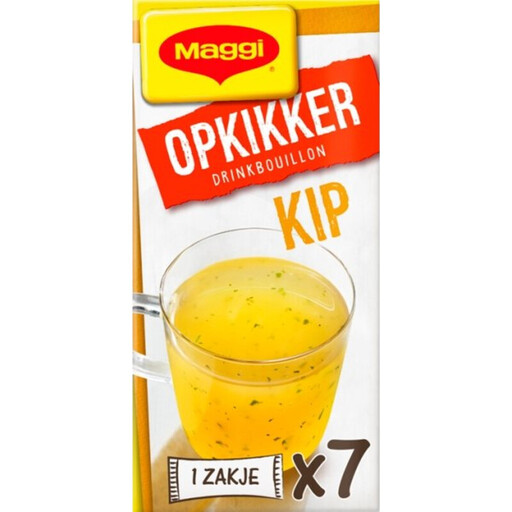
Why it suits this profile: The pack contains seven 100 ml servings. This is a straightforward option if you’re buying instant soup for the first time or occasionally want to prepare a small cup.
The individual sachets make the serving size clear. According to the product information, it is prepared with boiling water, without a saucepan or a long cooking time.
Seven sachets per pack and a compact 100 ml serving. Listed allergens are cereals containing gluten, wheat and celery.
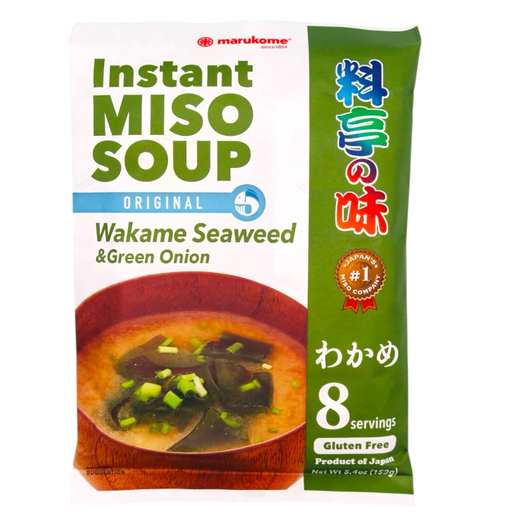
Why it suits this profile: This Japanese instant soup combines a rice miso base with dried wakame and spring onion. The pack is designed for multiple occasions at home, at work or on the go.
The number of servings is clearly stated: eight portions. However, check the recommended amount of water and the allergens on the label.
Eight servings in 156 grams, with rice miso, bonito, sardine, kelp, wakame and spring onion according to the product description. Listed allergens: soya, bonito and sardine.
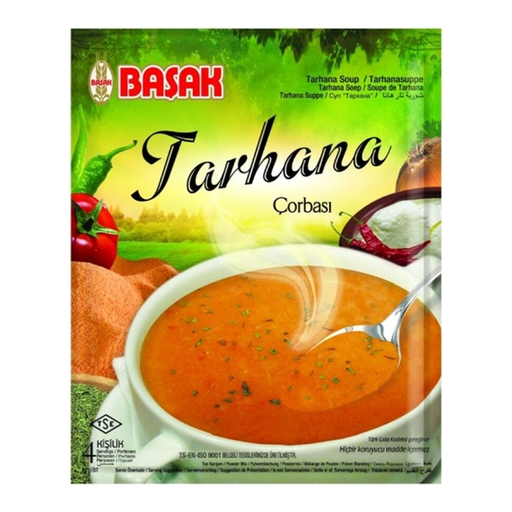
Why it suits this profile: Tarhana soup is ideal if you’re looking for a taste inspired by Turkish cuisine and are happy to spend a little more time preparing it than simply adding hot water.
The product information describes it as a mix for preparing dishes and soups. So don’t automatically expect a single-cup soup that only requires boiling water.
250-gram pack with a base of semolina, yoghurt, lentils, tomato, pepper, onion and rye. Listed allergens are gluten and milk.
We’ve put together a complete, up-to-date list of products that fully meet these strict selection criteria and the applicable European safety regulations.
No. Japanese miso soup and some individual chicken soups are often intended to be made with hot water. Other products, such as tarhana soup, creamy tomato soup and vegetable soup, may need to be boiled or simmered according to the packaging. Read the preparation instructions before buying.
The shelf life is stated on the packaging and varies from one product to another. Store unopened soup according to the stated storage instructions, usually in a cool, dry place away from direct sunlight. Don’t use a pack if it is damaged, and follow the instructions on the label after opening.
That depends on the serving size, number of servings and preparation method. Compare the price per serving rather than just the price of the pack. A multipack of individual sachets can be convenient for regular use, while a larger sachet may work out cheaper when you prepare several bowls at once.
