
Same-day & Next-day Delivery

Quality Guaranteed

Unlock Your Welcome Offers: FREE Delivery | Up to 80% OFF | Free 30-day JoyPlus trial
Download the APP
A sachet of instant soup or stock may seem simple to choose. Yet there are clear differences in preparation, serving size, salt content and ingredients. If you only look at the front of the packaging, you may end up buying a product that does not suit your everyday needs.
The most common pitfalls:
The main difference between instant soup, stock and soup base is what they are intended for.
For fans of Japanese cuisine, instant miso soup, wakame and tofu are a natural choice. Japanese soup made with miso paste has a different flavour profile from chicken stock or beef stock: miso provides a savoury umami flavour, while classic stock is often used as a base for Dutch or European dishes.
Check how many millilitres of water are needed for one serving. According to the product information, Knorr Chicken Garden Herb Drink Bouillon uses one sachet with 175 ml boiling water. A stock cube is generally dissolved in 500 ml water. This difference affects not only the flavour but also the cost per cup.
With a soup mix containing vermicelli, it is important to check how many grams are needed per pan. According to the product description, g'woon Chicken Soup Base contains 38% vermicelli and is intended as a base for chicken soup. You can add your own vegetables or extra chicken, but the packaging does not offer the same single-serving experience as drinking stock.
Read the allergen information in full, especially if you have a food allergy or follow a specific diet. Common points to look out for include:
A product carrying a vegetarian or vegan certification should still be checked against the label. Recipes can change, so the packaging supplied with your order is the definitive source of information.
Individual sachets are convenient for work, travel or a single cup of soup. A large jar of stock powder makes more sense if you cook regularly. Once opened, powders and cubes should be sealed properly and stored in a dry place.
Liquid products have different requirements. The organic beef stock from The Smallest Soup Factory is a 400 ml liquid product. According to the product information, it should be refrigerated after opening at a maximum of 7°C and used within the stated period. This requires more planning than a dry stock cube kept in the cupboard.
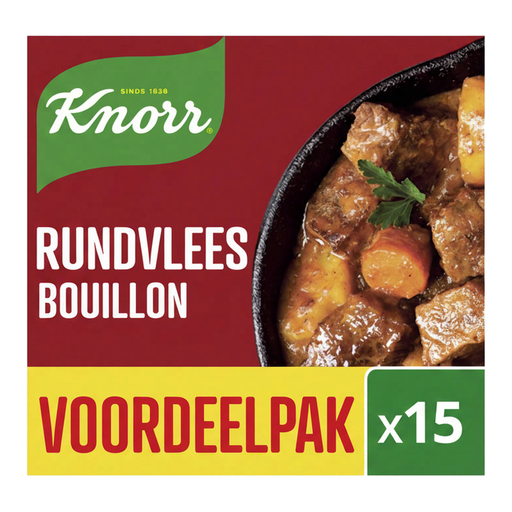
Why it suits this profile: This stock pot is easy to measure and, according to the product information, is suitable for making 500 ml of stock, as well as sauces and pasta dishes.
The fixed dosage makes it easier to compare products. However, note the celery allergen and flavour enhancers listed in the ingredients.
Compact format; suitable for stock, gravy, sauces and pasta dishes.
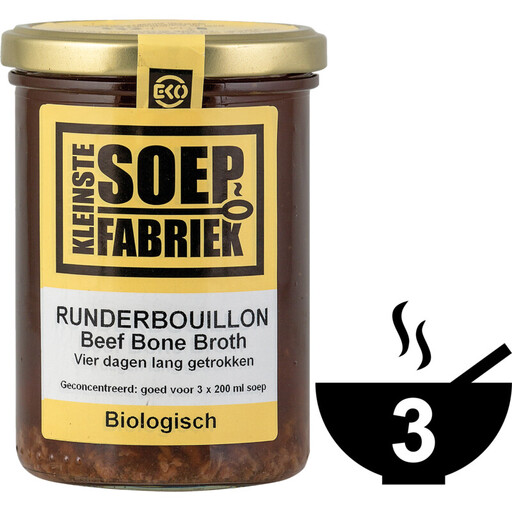
Why it suits this profile: A liquid organic beef stock for anyone looking for a ready-to-use base made with recognisable ingredients.
The ingredients and nutritional values are clearly stated. It is not a long-life cupboard staple: it needs to be refrigerated after opening.
Organic ingredients; produced in Groningen; 400 ml of ready-to-use stock.
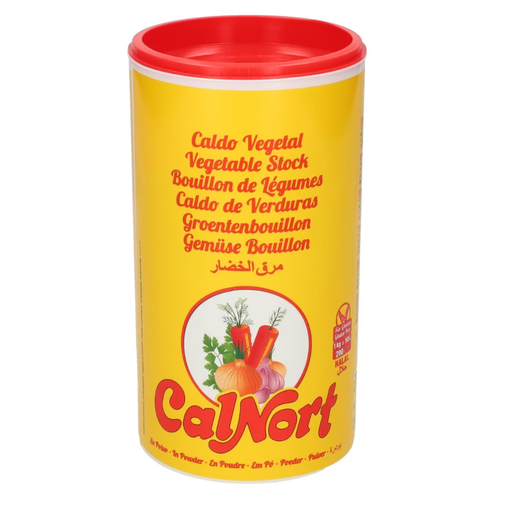
Why it suits this profile: A large pack of stock powder for households that cook frequently and want to use a plant-based base.
You are buying a large pack for repeated use rather than individual portions. Store the powder in a dry place and check the dosage on the packaging.
1 kg contents; dissolves in hot water; according to the product information, vegetarian and gluten-free.
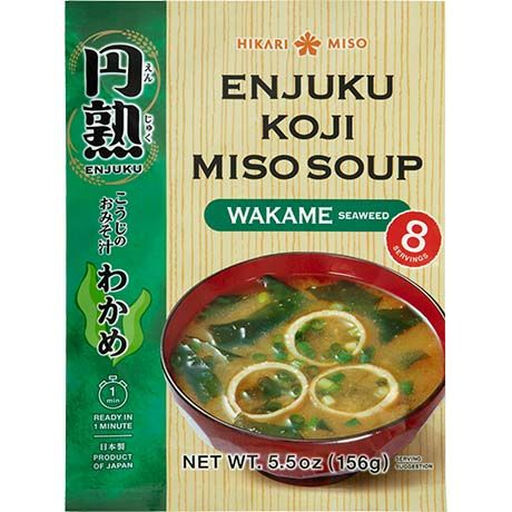
Why it suits this profile: This instant miso soup combines miso paste with seaweed, spring onion and other garnishes for a quick Japanese soup.
The product information clearly lists the allergens present: soya, gluten and wheat. It is therefore not automatically suitable for a vegan or gluten-free diet.
Quick preparation with hot water; seaweed garnish; suitable as a light soup or accompaniment to a meal.
We have put together a complete, up-to-date list of products that fully meet these strict selection criteria and the applicable European safety regulations.
Both products are diluted with water, but the dosage differs. A cube usually contains a fixed amount for, for example, 500 ml. Stock powder allows you to measure smaller or larger quantities more precisely. A large pack can be practical for regular cooking, while cubes take up less space for occasional use.
Follow the preparation instructions on the packaging. With many varieties, you add hot water, stir the miso paste or powder thoroughly and optionally add tofu, seaweed, noodles or spring onion. Do not use boiling water if the label specifies a different temperature or quantity.
Dry instant soup, soup mix and stock generally have a long shelf life when stored unopened and in a dry place. The specific date is shown on the packaging. Once opened, the packaging should be sealed properly. Liquid soup bases or beef stock often have stricter refrigeration requirements, so always check the information on the label.
