
Vandaag of morgen in huis

Kwaliteit gegarandeerd

Welkomstaanbiedingen ontgrendelen: GRATIS bezorging | Tot 80% korting | Gratis 30 dagen JoyPlus-proefperiode
Download de app
A warm bowl of soup without chopping, cooking or washing up: instant soup fits perfectly into busy workdays, student digs and store cupboards. Yet soup powder, noodle soup, tinned soup and ready-to-eat pouches differ greatly in preparation, portion size and ingredients.
Marketing copy often focuses on flavour or convenience, while important details are less prominently displayed on the packaging. So pay particular attention to these three pitfalls:
Instant soup isn't a single product category with one fixed composition. First, think about when you want to use the soup.
Don't just compare the weight of the pack, but also the number of portions and the amount of water per portion. Marukome Instant Miso Soup contains 8 portions per pack according to the product information. Saitaku Miso Soup contains 4 portions, while Hikari Miso Instant Miso Soup is listed as 3 portions totalling 60 grams.
With Basak soups, according to the product description, a whole pack is prepared with 1 litre of water and then simmered gently for a further 15 minutes. That's a different use case from an individual sachet where you just add hot water. So consider whether you want to fill a cup, a bowl or a pan.
For the office, travel or a student room, a sachet that's prepared with boiling water is practical. Marukome and Saitaku describe a simple preparation with hot water. With noodle soup, you often need to allow a waiting time for the noodles to soften.
Ready-to-eat soup in a tin or pouch usually needs heating in a pan or microwave. Unox Tomato Soup (800 ml) is suitable for around three bowls according to the product information and can be heated in a 750-watt microwave in approximately 2.5 minutes. Always check whether the packaging allows microwave use and use a suitable bowl.
Check the label, especially if you follow a vegetarian diet or have a food allergy. The Marukome variety contains soya, bonito and sardine according to the ingredients list. Saitaku contains soya, wheat and gluten. Nongshim Kimchi noodle soup lists wheat and soya as allergens.
Ready-to-eat varieties also have points to watch. Unox Creamy Pumpkin Soup is vegetarian according to the product information, but contains celery and milk. Unox Creamy Mushroom Soup contains wheat and milk. With soup powder and stock powder, it's also wise to compare the salt content per prepared portion; a small amount of powder doesn't automatically mean a light flavour or low salt level.
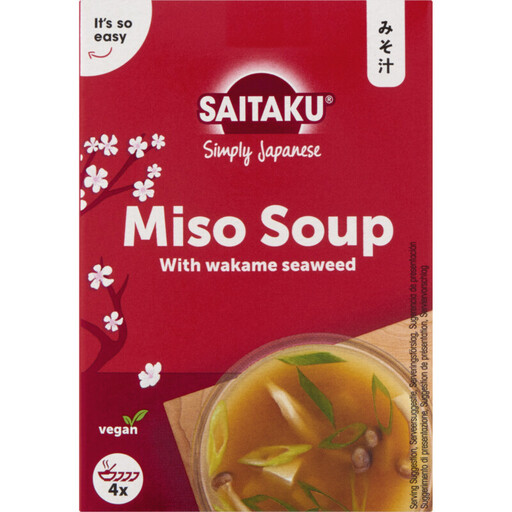
Why this fits the profile: Four individual portions make it easy to try Japanese miso soup for the first time without stocking up on a large supply.
The number of portions and the preparation with 160 ml of boiling water are clearly stated in the product information.
4 portions; suitable for vegetarians according to the product description; ready with hot water.
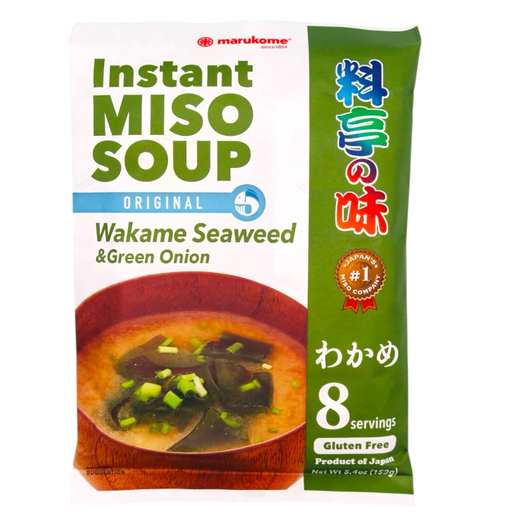
Why this fits the profile: The combination of rice miso, wakame and spring onion suits anyone looking for an authentic Japanese flavour for home, work or on the go.
The pack states 8 portions and separate garnish with wakame and spring onion, so the portion size and additions are easy to check.
8 portions; wakame and spring onion; made with rice miso, bonito, sardine and kelp extract according to the product information.
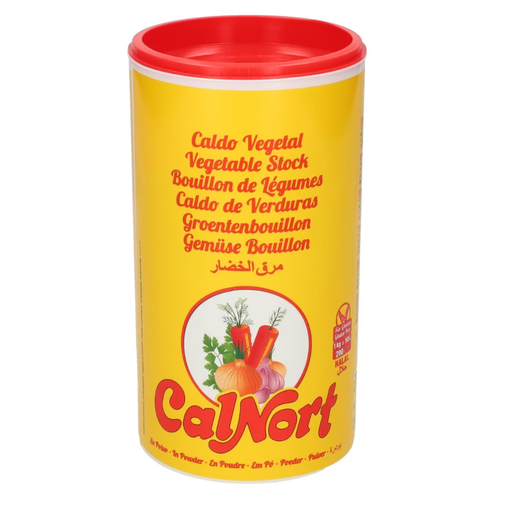
Why this fits the profile: A 1 kg pack suits frequent home cooks who want to prepare soups, sauces, rice dishes and stews with one staple ingredient.
Its use goes beyond one bowl of soup: according to the product information, the powder dissolves instantly in hot water and is also intended for other dishes.
1 kg content; vegetarian and gluten-free according to the product description; suitable for soups, sauces and marinades.
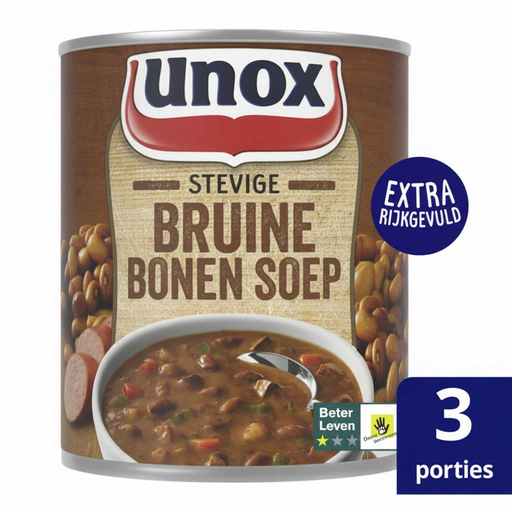
Why this fits the profile: An 800 ml tin is practical when you need several bowls without mixing individual portion sachets.
The product information mentions 53% brown beans and more than three generous bowls; do check the listed allergens and the presence of pork.
800 ml; more than three bowls according to the product information; can be heated in a pan or microwave.
We've put together a full, up-to-date list of products that fully meet these strict selection criteria and current European safety regulations.
An instant product doesn't have to be the end point of your meal. Add tofu, shiitake, wakame or spring onion to miso soup, for example. Fresh vegetables, a boiled egg or extra noodles work well with noodle soup. A tinned tomato soup can be bulked up with bread, pulses or herbs.
Use a soup base when you want to control the quantity and texture yourself. Stock powder is handy for risotto, sauce or vegetable soup, but dose it according to the pack. With a ready-to-eat pouch, gentle heating is often enough; some creamy soups shouldn't be boiled according to the instructions.
Store dry mixes in a cool, dry place and seal the pack well after opening. With tins and pouches, check the best-before information and store leftovers according to the label. The product packaging remains the final guide, as recipes, portions and storage advice can change.
It varies by product. Individual miso and soup sachets usually require hot or boiling water. Basak Creamy Tomato Soup and Basak Creamy Vegetable Soup are mixed with 1 litre of water and simmered gently for 15 minutes according to the product information. Always follow the instructions on your pack.
It can be, depending on portion size and composition. Noodle soup, bean soup or a larger pack of ready-to-eat soup generally fills you up more than a small miso sachet. Add bread, vegetables or tofu if you want to make it a more substantial meal.
Check the date on the packaging. Unopened dry mixes and powders are generally intended for store-cupboard storage in dry conditions. After opening, seal the product well. Consume prepared soup according to the instructions on the label and do not keep it longer than stated.
