
Same-day & Next-day Delivery

Quality Guaranteed

Unlock Your Welcome Offers: FREE Delivery | Up to 80% OFF | Free 30-day JoyPlus trial
Download the APP
A sachet of instant soup seems simple: add hot water and it’s ready. Yet products can vary considerably in flavour, portion size, ingredients and preparation. If you only go by the packaging or an appealing flavour name, you could end up with a small portion, an overly salty stock or a product that is unsuitable for an allergy or dietary requirement.
With this practical guide, you can compare instant miso soup, instant noodle soup, soup mixes and soup in a pouch based on the features that really matter at home, in the office or on the go.
“Tomato”, “chicken” or “mushroom” on the front does not automatically mean that the ingredient makes up a large part of the product. So check the ingredients list and percentages. According to the product information, for example, Knorr Creamy Tomato Soup Mix contains 22% tomato and vermicelli. Unox Chicken Flavor Soup states 4.7% chicken, alongside vegetables and glass noodles.
With a soup mix, you also need to consider how much water you have to add. A 100-gram pack may make several portions, but the final flavour and nutritional value per bowl depend on the preparation instructions.
Instant stock and miso are often concentrated. According to the product information, Maggi Chicken Soup contains 0.76 grams of salt per 100 ml serving. Hikari Miso Instant Miso Soup lists a sodium value of 12,000 mg in the nutrition table. So always check whether the table refers to 100 grams, one portion or the dry product.
A low calorie content does not tell you everything about the composition either. A soup can be low in calories while still providing a relatively high amount of salt.
A soup in a pouch measuring 570 ml is generally intended for two bowls. A sachet of miso may contain one, two or three portions, while instant noodle soup in a cup often makes one complete meal. So check:
This helps you avoid discovering that a budget-friendly pack produces fewer portions in practice than expected.
Ingredients are listed in descending order by quantity. Look out for gluten, wheat, soya, milk, celery, egg, fish, mustard and sesame. This is particularly important with international products.
Japanese miso soup usually contains soya. Hikari Miso Instant Miso Soup also contains fish from bonito, while S&B Instant Aka Miso Soup states in the product information that it contains soya. Some instant noodles contain wheat and soya, and certain varieties may also contain egg, milk or fish.
Use the online product information as an initial guide, but always check the label before eating. Recipes and allergen information may change.
The packaging determines how you prepare and store the soup:
Follow the preparation method on the packaging. With Maggi Chicken Soup, add boiling water and stir the mix thoroughly. Hikari miso varieties are prepared with hot water. According to the product information, liquid Unox soups take around three minutes to heat in a saucepan; microwave times vary depending on the power setting.
Knorr states that the prepared soup should be heated to above 70°C. Take care when handling hot liquid and stir soup from the microwave halfway through heating.
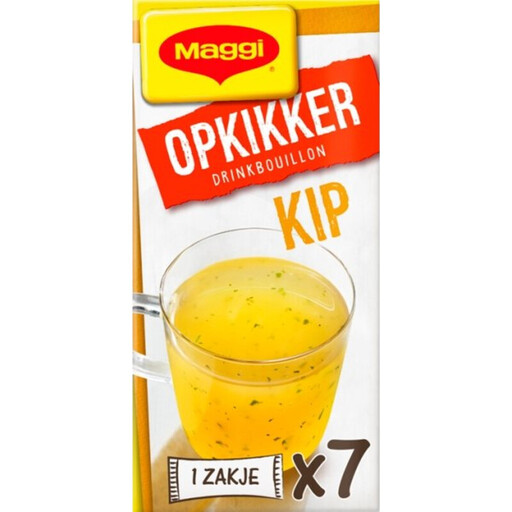
Why it suits this profile: The pack contains 7 individual 100 ml sachets. This means you can prepare one portion at a time without opening a large pack.
The number of portions is clearly stated. You do not have to guess how many bowls the pack will make.
7 individual sachets, 9 kcal per portion according to the product information, and preparation with hot water.
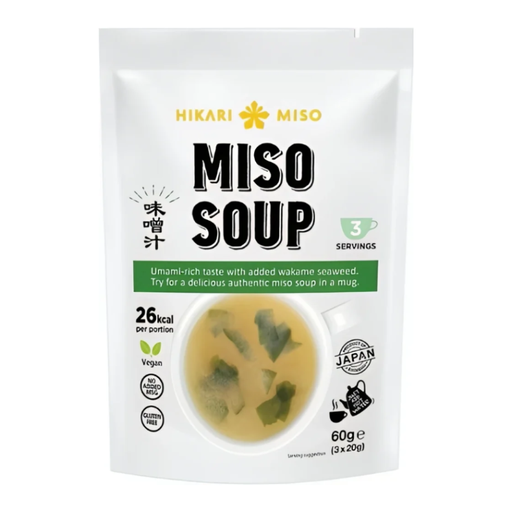
Why it suits this profile: This Japanese miso soup contains three portions and can be enhanced with tofu, seaweed or spring onion for extra variety.
The product information states the portion size and allergens: soya and fish. This makes it easier to compare with other products.
3 portions, miso made from soya and rice, with dried tofu, seaweed and spring onion.
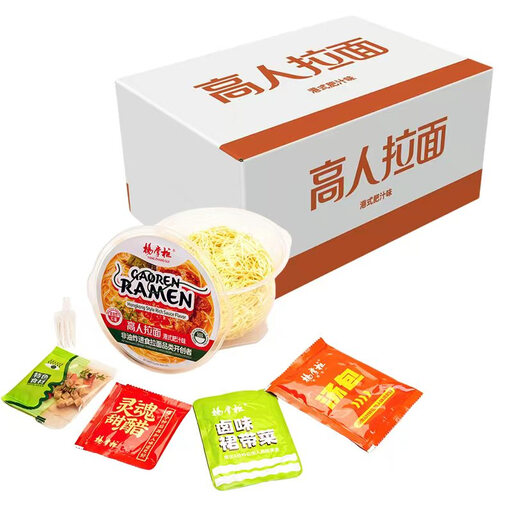
Why it suits this profile: The box of 12 cups is ideal for anyone who regularly needs a quick Asian noodle soup at the office, at home or on the go.
The preparation instructions specify 4–6 minutes and several separate flavour sachets. However, check the allergens: wheat, soya and sesame.
12 x 180 g cups, with noodles, sauce, vinegar, vegetables and kelp in separate sachets; fork not included.
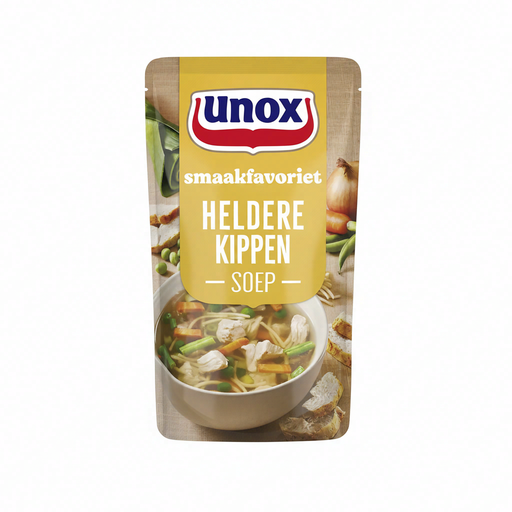
Why it suits this profile: If you want to serve soup without mixing or measuring, this liquid chicken soup can be heated straight away in a saucepan or microwave.
The packaging states that one pouch makes two portions and provides separate saucepan and microwave instructions.
570 ml, vegetables, chicken and glass noodles; approximately 3 minutes in a saucepan or 2.5 minutes in the microwave according to the product information.
We have put together a complete, up-to-date list of products that fully meet these strict selection criteria and the applicable European safety regulations.
It depends on the type. With dry soup mix, you usually add boiling water and stir well. Instant noodle soup in a cup generally needs to stand for a few minutes. Liquid soup in a pouch is heated in a saucepan or microwave. Always use the amount of water, temperature and time stated on the packaging.
Unopened dry instant soup often has a long shelf life when stored in a cool, dry place away from direct sunlight. The exact date is shown on the packaging. Once opened, the contents should be sealed properly. Store liquid soup in a pouch according to the label, paying attention to the difference between a best-before date and instructions for storage after opening.
A simple stock or miso soup is mainly suitable as a snack, starter or light lunch. Instant noodle soup and soup in a pouch can be more filling because of the noodles, vegetables or chicken. Check the nutritional values per actual portion and, if you wish, add vegetables, pulses or a source of protein. This allows you to tailor the bowl more closely to your own mealtime.
