
Same-day & Next-day Delivery

Quality Guaranteed

Unlock Your Welcome Offers: FREE Delivery | Up to 80% OFF | Free 30-day JoyPlus trial
Download the APP
A bowl of instant soup is handy for a quick lunch, a snack at the office or a warm meal on the go. Yet many packets look more alike than they actually are. A sachet of soup can yield two bowls, while a cup of instant miso soup sometimes contains just one portion. Salt content, allergens, preparation methods and storage instructions also vary widely.
If you only go by flavour or an attractive packet, you often run into three problems:
The right choice depends on the occasion and how filling you want it to be.
Don’t just compare the weight – also compare the amount of prepared soup per portion. A 570 ml packet may be described as suitable for two bowls. A 30 g sachet might actually contain two to three portions, while Saitaku Miso Soup 4 Pieces contains four separate portions of around 22 g each.
Also check how the soup is prepared:
Always follow the instructions on the packet. The actual packet is the authority if the information on a product page differs.
Look at the first ingredients on the list. In miso soup, fermented soya bean paste is usually the main component. In instant noodle soup, wheat flour and oil are key ingredients. A Thai soup may contain coconut milk, chicken, celery or milk ingredients.
Common things to watch out for:
A claim such as “vegetarian” or “no artificial colours” does not automatically tell you anything about salt, allergens or nutritional value. Read the full ingredient and allergen information.
Instant soup can be low in energy but still relatively high in salt per portion. So look at the table per prepared portion, not just the values per 100 g of dry product. With noodles, fats and carbohydrates also play a bigger role than with a simple cup of broth.
A vegetable soup with lentils or chickpeas can provide more substance. A noodle soup is often more filling because of the noodles, but usually contains more carbohydrates too. Use nutritional information as a tool for comparison, not as a medical assessment.
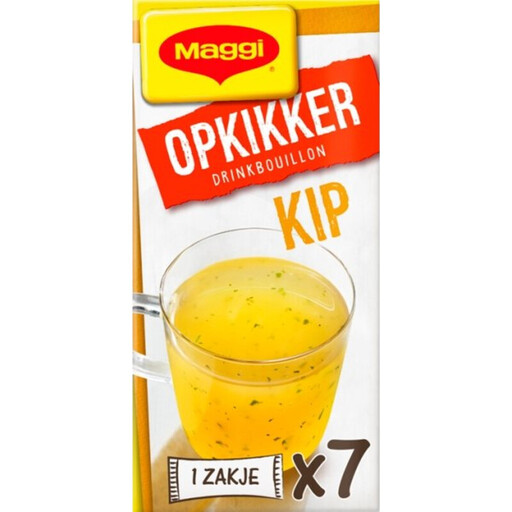
Why this suits the profile: The packet contains seven individual 100 ml sachets, making it easy to portion out at home, at work or on the go.
The portioned sachets prevent you from buying a larger packet than you need. Do check the listed allergens, including gluten and celery.
Seven separate portions, preparation with hot water and a compact size.
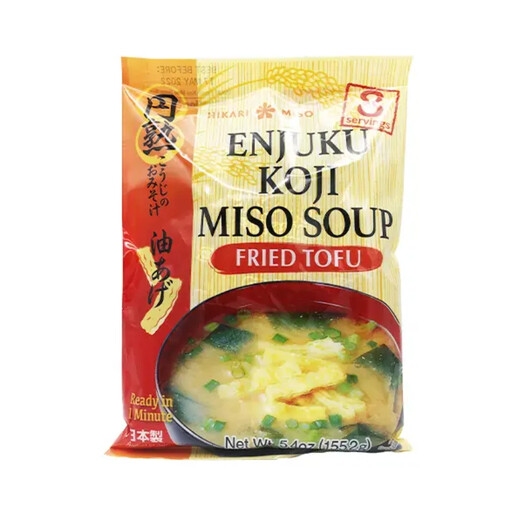
Why this suits the profile: The packet combines miso paste with seaweed, fried gluten and spring onion for a clear Japanese soup experience.
The product information lists specific ingredients rather than just a general flavour claim. Watch out for soya, wheat and gluten.
Large 155.2 g packet and clear preparation with hot water.
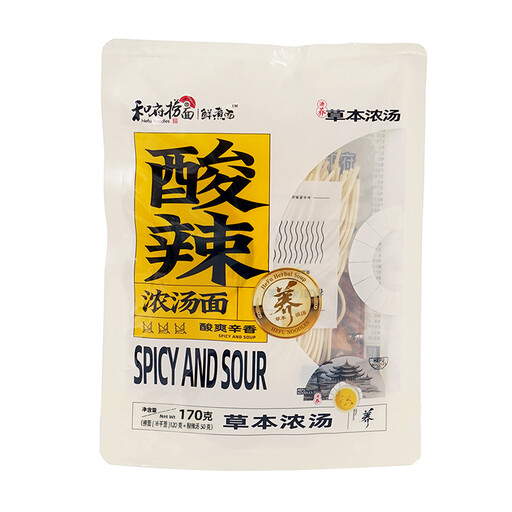
Why this suits the profile: Ideal for fans of a spicy, sour meal with semi-dry wheat noodles and a separate soup base.
The preparation steps are specific: boil the noodles, heat the soup sachet and then mix. So this is not a product for just adding hot water to a cup.
170 g per packet, a distinctive sweet-spicy-sour flavour and a preparation time of just a few minutes.
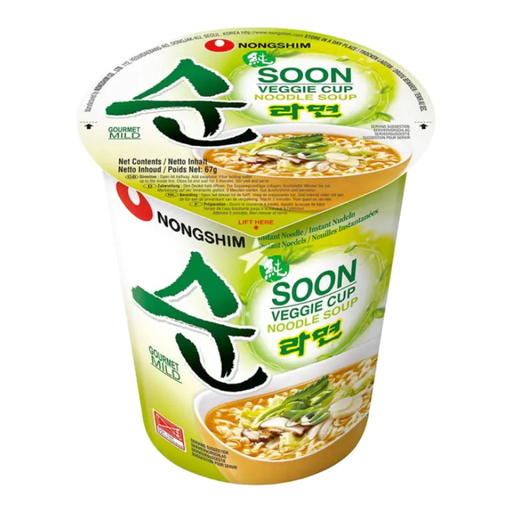
Why this suits the profile: The cup is practical for work, travel or a quick meal where you only need boiling water and a few minutes’ waiting time.
The cup makes the portion and preparation immediately clear. Do check the variant and allergens on the packet; product information can vary by flavour.
Cup packaging, 67 g and a vegetarian product variant according to the product description.
We’ve put together a full, up-to-date list of products that fully meet these strict selection criteria and comply with current European safety regulations.
It varies by type. With a miso soup or chicken broth, you usually add hot water and stir well. Instant noodle soup may need extra cooking time. Follow the preparation instructions on the packet and check whether the soup needs to be heated in a pan or microwave bowl first.
Dry instant soup, soup mix and unopened noodles are generally suitable for longer storage in the cupboard, as long as the packet says so. Check the stated best-before date and store the product in a cool, dry place away from direct sunlight. Opened packets should be sealed properly. Sachet soups with liquid contents may have different storage rules.
That depends on the composition and portion size. A simple cup of broth is mainly suitable as a light snack. A soup with noodles, chicken, vegetables, lentils or chickpeas can be more filling. Compare the nutritional information per prepared portion and add vegetables or tofu if you like, as long as it fits your diet and allergies.
